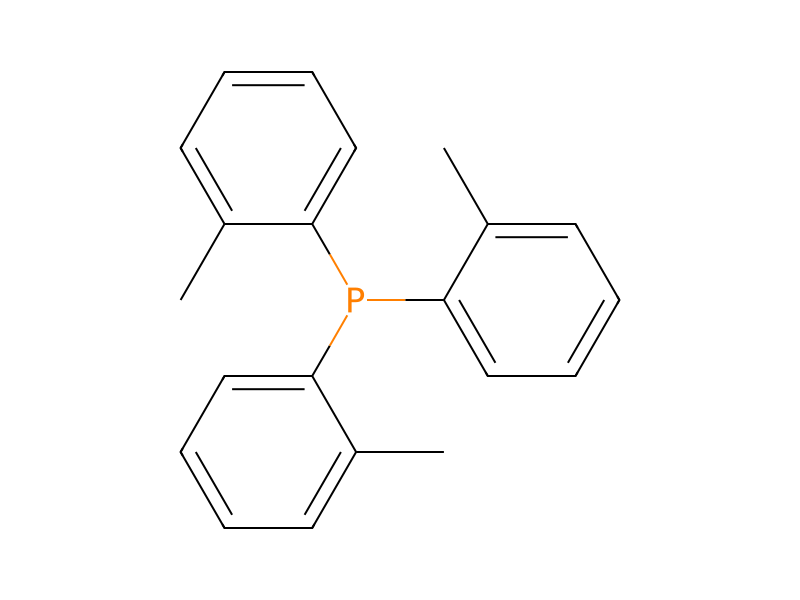
Br[C:2]1[CH:3]=[C:4]([F:10])[C:5]([F:9])=[C:6]([OH:8])[CH:7]=1.[C:11]([O:17][CH2:18][CH3:19])(=[O:16])[CH:12]=[CH:13][CH2:14][CH3:15].C(NC(C)C)(C)C.CC1C(P(C2C(C)=CC=CC=2)C2C(C)=CC=CC=2)=CC=CC=1>C(#N)CC.CC([O-])=O.CC([O-])=O.[Pd+2]>[F:10][C:4]1[CH:3]=[C:2]([CH:13]([CH2:14][CH3:15])[CH2:12][C:11]([O:17][CH2:18][CH3:19])=[O:16])[CH:7]=[C:6]([OH:8])[C:5]=1[F:9]A mixture of 5-bromo-2,3-difluorophenol (20 g 0.0957 mol), ethyl pentenoate (24.53 g, 0.191 mol), N,N-diisopropylamine (66.68 ml, 0.383 mol) and catalytic reagents [Pd(OAc)2=2.15 g, 9.57 mmol; P(O-tol)3=11.65 g, 0.0383 mol] in propionitrile (500 mL) in solution was degassed by bubbling nitrogen. The reactions were heated to 120° C. overnight. The reaction mixtures were filtered through a Celite and washed with CH2Cl2 and filtrates were combined and concentrated. The crude residue was purified by flash column chromatography eluting with 0-10% EtOAc in hexanes to afford the desired product (21.5 g). Subsequent hydrogenation in Parr shaker using Pd/C at 65 psi overnight, followed by filtration, concentration and column chromatography (0-10% ethyl acetate:hexane) afforded the desired product (17.6 g, 71%).