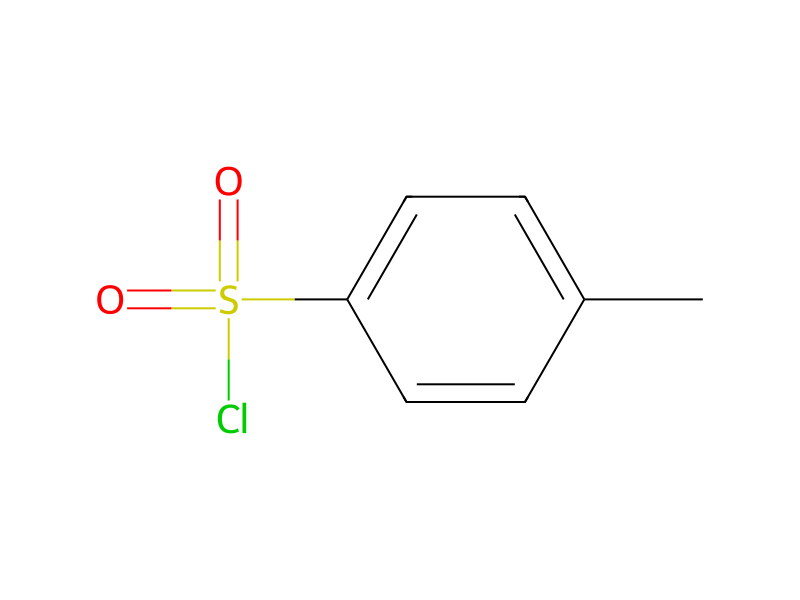
C1C=C(Cl)C=C(C(OO)=O)C=1.[CH2:12]([C:16]1[O:20][N:19]=[C:18]([CH2:21][N:22]2[C:34]3[C:33]4[CH:32]=[CH:31][CH:30]=[CH:29][C:28]=4[N:27]=[CH:26][C:25]=3[N:24]=[CH:23]2)[CH:17]=1)[CH2:13][CH2:14][CH3:15].C1(C)C=CC(S(Cl)(=O)=O)=CC=1.[OH-].[NH4+:47].C(=O)(O)[O-].[Na+]>C(Cl)(Cl)Cl>[CH2:12]([C:16]1[O:20][N:19]=[C:18]([CH2:21][N:22]2[C:34]3[C:33]4[CH:32]=[CH:31][CH:30]=[CH:29][C:28]=4[N:27]=[C:26]([NH2:47])[C:25]=3[N:24]=[CH:23]2)[CH:17]=1)[CH2:13][CH2:14][CH3:15]mCPBA (930 mg of 77% pure material, 4.2 mmol) was added to a solution of 1-[(5-butylisoxazol-3-yl)methyl]-1H-imidazo[4,5-c]quinoline (1.06 g, 3.46 mmol) in chloroform (40 mL), and the solution was stirred for 1.5 hours at room temperature. p-Toluenesulfonyl chloride (726 g, 3.81 mmol) and concentrated ammonium hydroxide (15 mL) were then added, and the mixture was stirred vigorously for three hours at room temperature. Saturated aqueous sodium bicarbonate was added, and the aqueous layer was separated and extracted several times with chloroform. The combined organic fractions were washed with brine, dried over magnesium sulfate, filtered, and concentrated under reduced pressure. The resulting orange solid was purified by flash column chromatography on silica gel (eluting with 4% to 8% methanol in dichloromethane) to provide 0.92 g of 1-[(5-butylisoxazol-3-yl)methyl]-1H-imidazo[4,5-c]quinolin-4-amine as a tan crystalline solid, mp 201-203° C.