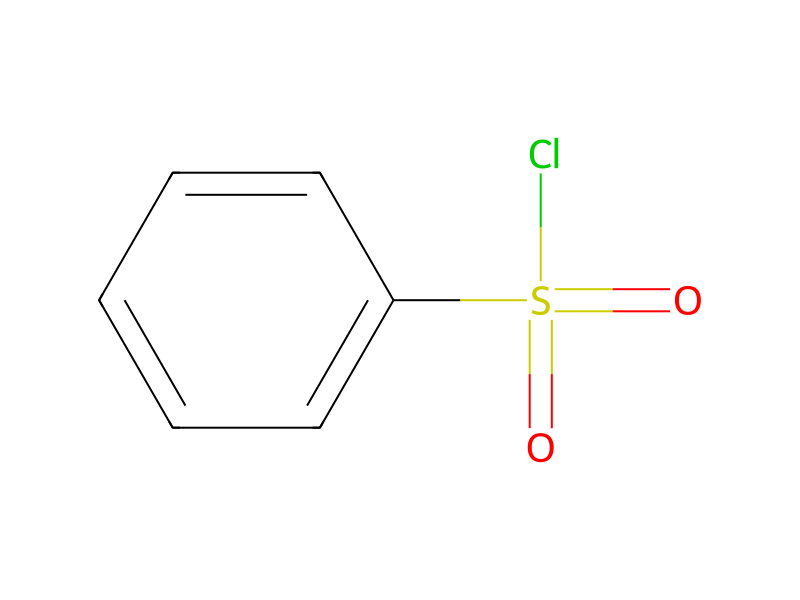
[F:1][C@@H:2]1[CH2:6][N:5]([C:7](=[O:10])[CH2:8][OH:9])[C@H:4]([C:11]([NH2:13])=O)[CH2:3]1.CN(C)CCCN(C)C.[C:23]1([S:29](Cl)(=[O:31])=[O:30])[CH:28]=[CH:27][CH:26]=[CH:25][CH:24]=1.FC(F)(F)C(OC(=O)C(F)(F)F)=O>C(#N)C.O.C(N(CC)CC)C>[C:23]1([S:29]([O:9][CH2:8][C:7]([N:5]2[CH2:6][C@@H:2]([F:1])[CH2:3][C@H:4]2[C:11]#[N:13])=[O:10])(=[O:31])=[O:30])[CH:28]=[CH:27][CH:26]=[CH:25][CH:24]=1(2S,4S)-4-fluoro-1-(2-hydroxyacetyl)pyrrolidine-2-carboxa mide (381 mg) was suspended in acetonitrile and N,N,N′,N′-tetramethyl-1,3-propanediamine (34.0 μL) and triethylamine (0.98 mL) were added to the suspension. While this mixture was cooled in a salt-ice bath, benzenesulfonyl chloride (0.28 mL) was added dropwise. The mixture was stirred at the same temperature for 1 hour and trifluoroacetic anhydride (0.34 mL) was added dropwise, followed by stirring for another 1 hour. Subsequently, water (10 mL) was added to the reaction mixture and acetonitrile was evaporated under reduced pressure. The resulting crystal was collected by filtration, washed successively with water and diethyl ether, and dried under reduced pressure to give (2S,4S)-1-[2-(benzenesulfonyloxy)acetyl]-4-fluoropyrrolidine-2-carbonitrile as a white crystal (567 mg, 91% yield). This compound was identical to the compound obtained in Example 3.