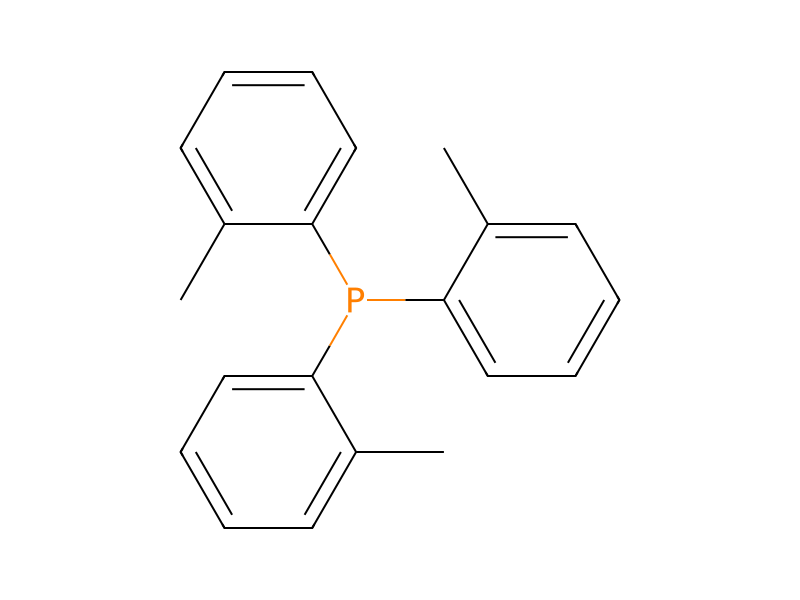
[CH3:1][N:2]1[C:7](=[O:8])[CH2:6][O:5][C:4]2[CH:9]=[C:10](Br)[CH:11]=[N:12][C:3]1=2.C1(C)C=CC=CC=1P(C1C=CC=CC=1C)C1C=CC=CC=1C.C([O:39][C:40]([CH3:42])=[CH2:41])(=O)C.C[O-].C([Sn+](CCCC)CCCC)CCC>C1C=CC=CC=1.C([O-])(=O)C.[Pd+2].C([O-])(=O)C>[CH3:1][N:2]1[C:7](=[O:8])[CH2:6][O:5][C:4]2[CH:9]=[C:10]([CH2:41][C:40](=[O:39])[CH3:42])[CH:11]=[N:12][C:3]1=24-Methyl-7-bromo-2H-pyrido[3,2-b]-1,4-oxazin-3(4H)-one (3 g) (0.012 mole) in 80 ml of benzene is treated with 365 mg tri-o-tolylphosphine, 138 mg palladium acetate, 1.87 g (0.018 mole) of isopropenyl acetate and 5.9 g (0.18 mole) of tributyltin methoxide. The mixture is heated to 70° C. for 25 hours. The reaction mixture is then quenched with 20 ml sat. ammonium chloride and diluted with 50 ml ethyl acetate. The organic phase separates, dried over sodium sulfate and concentrated to dryness. The residue is dissolved in methylene chloride, washed with sat. KF solution, filtered through a cotton plug, dried over sodium sulfate and concentrated to dryness to obtain crude product. This is chromatographed using 200×60 mm SiO2, EtOAc (100%) as eluent. The desired product is identified by NMR and used directly in the next step.
Wird geladen…