Iodoethane → Methyl {4,6-diamino-2-[6-fluoro-3-(2-fluorobenzyl)-1H-pyrazolo[4,3-b]pyridin-1-yl]pyrimidin-5-yl}ethylcarbamate
HRID 626619
Reaktionsgleichung

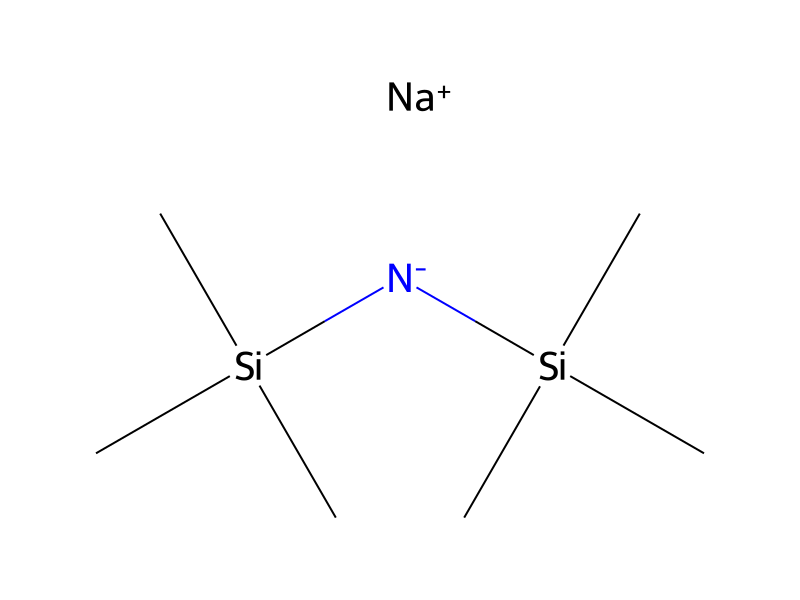
[NH2:1][C:2]1[C:7](NC(=O)OC)=[C:6]([NH2:13])[N:5]=[C:4]([N:14]2[C:22]3[C:17](=[N:18][CH:19]=[C:20]([F:23])[CH:21]=3)[C:16]([CH2:24][C:25]3[CH:30]=[CH:29][CH:28]=[CH:27][C:26]=3[F:31])=[N:15]2)[N:3]=1.C[Si]([N-:36][Si](C)(C)C)(C)C.[Na+].I[CH2:43][CH3:44].[C:45]([O:48][CH2:49]C)(=[O:47])C>C1COCC1>[NH2:13][C:6]1[C:7]([CH2:44][CH2:43][NH:36][C:45](=[O:47])[O:48][CH3:49])=[C:2]([NH2:1])[N:3]=[C:4]([N:14]2[C:22]3[C:17](=[N:18][CH:19]=[C:20]([F:23])[CH:21]=3)[C:16]([CH2:24][C:25]3[CH:30]=[CH:29][CH:28]=[CH:27][C:26]=3[F:31])=[N:15]2)[N:5]=1Komponenten
6