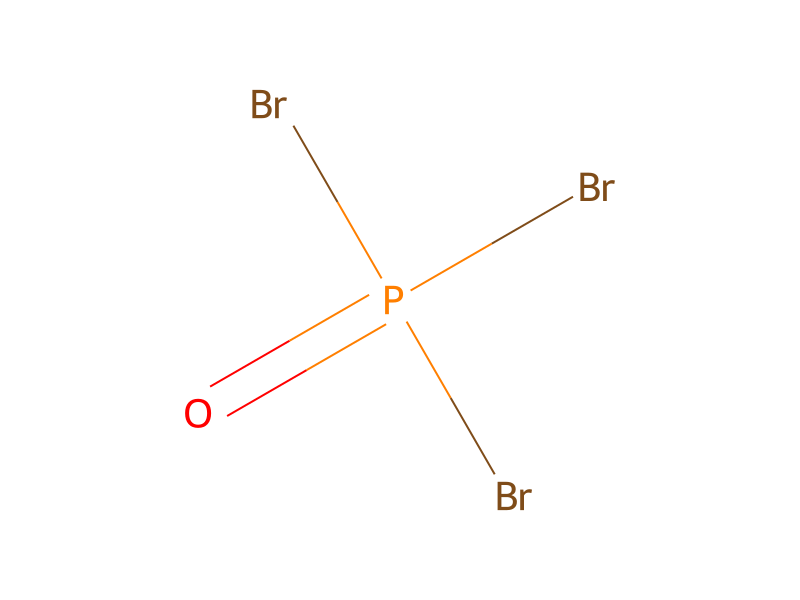
Phosphorus oxybromide → 4,7-Dibromo-2-(2,6-dichlorophenyl)-2H-pyrazolo[4,3-c]pyridine
Reaktionsgleichung

[Br:1][C:2]1[C:3]2[C:4](=[CH:9][N:10]([C:12]3[C:17]([Cl:18])=[CH:16][CH:15]=[CH:14][C:13]=3[Cl:19])[N:11]=2)[CH:5]=[N+:6]([O-])[CH:7]=1.P(Br)(Br)([Br:22])=O>ClCCCl>[Br:22][C:5]1[C:4]2=[CH:9][N:10]([C:12]3[C:17]([Cl:18])=[CH:16][CH:15]=[CH:14][C:13]=3[Cl:19])[N:11]=[C:3]2[C:2]([Br:1])=[CH:7][N:6]=1Komponenten
4



Reaktionsbedingungen
- Temperatur
- 0 °C
Versuchsvorschrift
To a cooled (0° C.) suspension of 7-bromo-2-(2,6-dichlorophenyl)-2H-pyrazolo[4,3-c]pyridine-5-oxide (1.7 g, 4.7 mmol) in DCE (30 mL) was added phosphorus oxybromide (4.0 g, 14.1 mmol). The reaction mixture was stirred at 0° C. for 15 minutes, warmed to room temperature, and stirred for a further 2.25 hours. The reaction mixture was partitioned between DCM and sodium carbonate (sat. aq.). The organic layer was washed with brine, dried over anhydrous sodium sulfate, and concentrated under reduced pressure. The residue was purified by silica gel flash chromatography (0-20% ethyl acetate in cyclohexane) to afford the title compound as a white solid (1.07 g, 54% yield). LCMS (Method D): RT=3.93 min, m/z: 422 [M+H+].
Aufarbeitung
- temperatureTo a cooled
- temperaturewarmed to room temperature
- stirringstirred for a further 2.25 hours
- customThe reaction mixture was partitioned between DCM and sodium carbonate (sat. aq.)
- washThe organic layer was washed with brine
- dry with materialdried over anhydrous sodium sulfate
- concentrationconcentrated under reduced pressure
- customThe residue was purified by silica gel flash chromatography (0-20% ethyl acetate in cyclohexane)
Quellen und Nachweise
- ORD-Eintrag
- ord-a027bc24e37d4b9bb1ead1208a062348
- Quelldatensatz
- uspto-grants-2016_04
- Patentnummer
- US09309240B2
Notizen zur Reaktion
Wird geladen…