Reaktionsgleichung

COc1cc(OC2CN(C(=O)OC(C)(C)C)C2)ccc1N.Clc1ncc(Cl)c(-c2cnc3ccccn23)n1>C1COCCO1.CC(=O)O.CC(=O)O.CC1(C)c2cccc(P(c3ccccc3)c3ccccc3)c2Oc2c(P(c3ccccc3)c3ccccc3)cccc21.O=C([O-])[O-].[Cs+].[Cs+].[Pd]>COc1cc(OC2CNC2)ccc1Nc1ncc(Cl)c(-c2cnc3ccccn23)n1Komponenten
7
Edukt 2
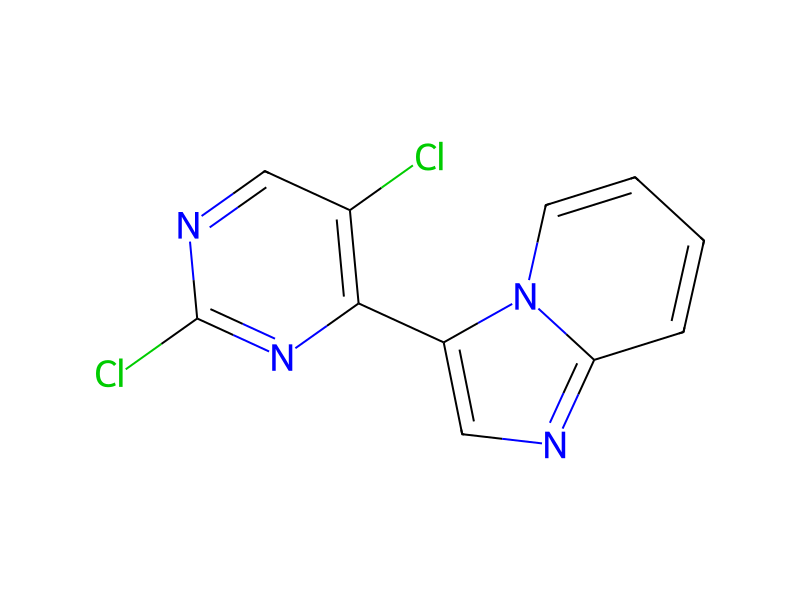

Produkt 1

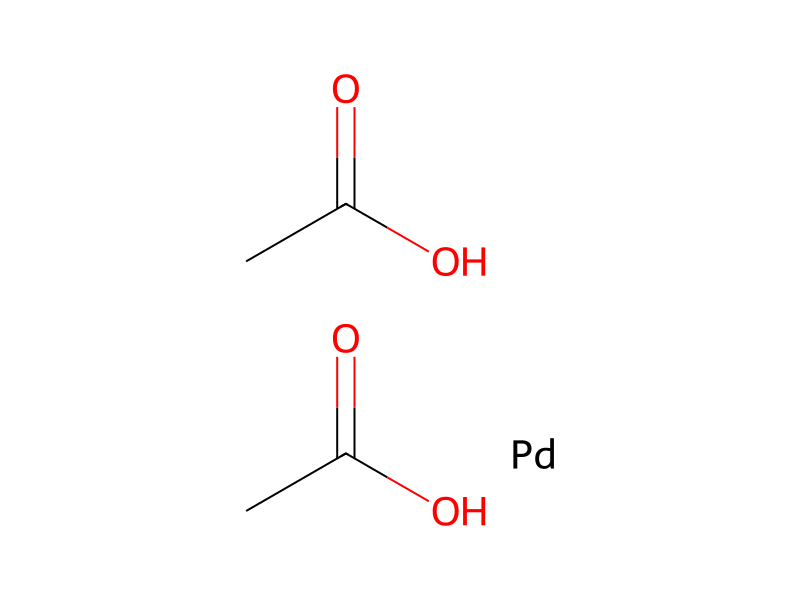
Reagenzien, Katalysatoren, Lösungsmittel 4



Reaktionsbedingungen
- Temperatur
- 105 °C
Versuchsvorschrift
3-(2,5-dichloropyrimidin-4-yl)imidazo[1,2-a]pyridine (100 mg, 0.38 mmol) _,_ tert-butyl 3-(4-amino-3-methoxyphenoxy)azetidine-1-carboxylate (111 mg, 0.38 mmol) _,_ CESIUM CARBONATE (246 mg, 0.75 mmol) _,_ diacetoxypalladium (3.39 mg, 0.02 mmol) _and_ 9,9-DIMETHYL-4,5-BIS(DIPHENYLPHOSPHINO)XANTHENE (17.46 mg, 0.03 mmol) ___were_ ___suspended_ _in_ 1,4-dioxane (1 ml) _and degased with argon.The reaction was heated from 60°C to 105°C for 3 hours.Doubt about the LCMS,deprotection of the BOC with TFA to confirm the dialkylation._ No good product
Quellen und Nachweise
- ORD-Eintrag
- ord-297038d2636048ff93bf3571d541a46e
- Quelldatensatz
- 750 AstraZeneca ELN dataset
- Originallink
- Quelle ansehen
Verknüpfte Notizen
Wird geladen…