Reaktionsgleichung

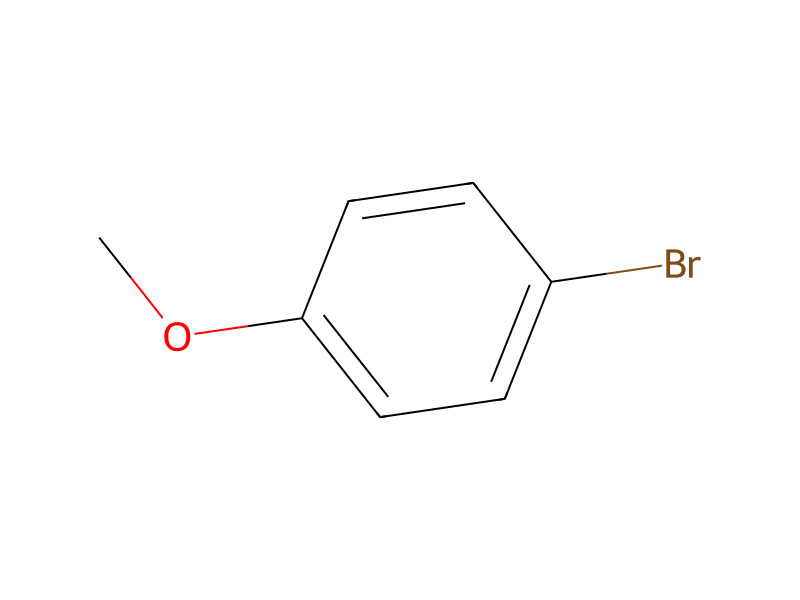
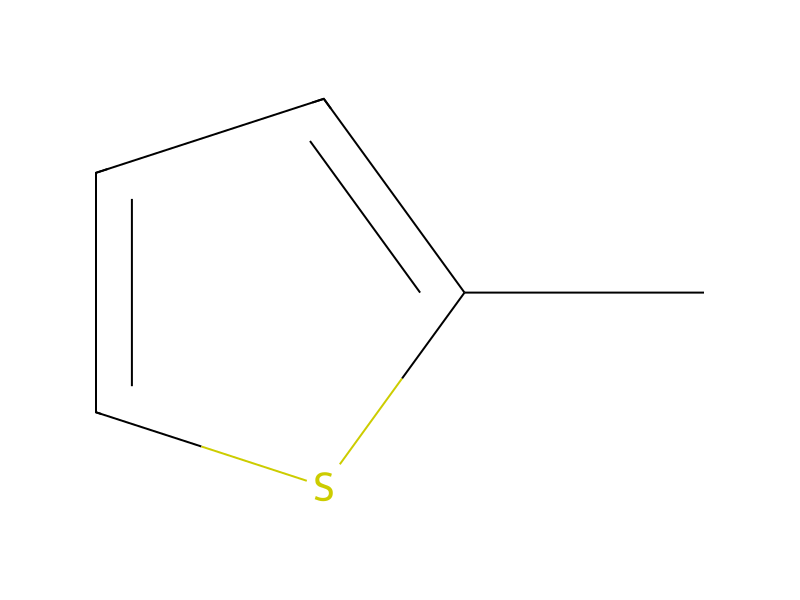
CC1SC=CC=1.BrBr.[Br:9][C:10]1[CH:14]=[C:13](Br)[S:12][C:11]=1[CH3:16].CC1(C)C(C)(C)OB([CH2:25][O:26][C:27]2[CH:32]=[CH:31][CH:30]=[CH:29][CH:28]=2)O1.C(OB1OC(C)(C)C(C)(C)O1)(C)C.BrC1C=CC(OC)=CC=1>>[CH3:25][O:26][C:27]1[CH:32]=[CH:31][C:30]([C:13]2[S:12][C:11]([CH3:16])=[C:10]([Br:9])[CH:14]=2)=[CH:29][CH:28]=1Komponenten



Versuchsvorschrift
The synthesis starts from commercially available 2-methylthiophene, which is brominated in the 3 and 5 position with bromine. The 3,5-dibromo-2-methylthiophene reacts in a Suzuki coupling with 4-(4,4,5,5-tetramethyl-1,3,2-dioxaborolane-2-yl) methoxybenzene, made from 2-isopropoxy-4,4,5,5-tetramethyl-1,3,2-dioxaborolane and 4-bromoanisole in a grignard reaction to obtain 5-(4′-methoxyphenyl)-3-bromo-2-methylthiophene. This compound is reacts with butyl lithium and octafluorocyclopentene to obtain the reaction product. Another example synthesizes 1,2-bis (2-methyl-5-phenyl-3-thienyl)perfluorocyclopentene, while 1,2-bis (5′-(4″hydroxyphenyl)-2′-methylthien-3′-yl)perfluorocyclopentene is obtained from 1,2-bis (5′(4″methoxyphenyl)-2′-methylthien-3′-yl) perfluorocyclopentene via reaction with BBr3.
Quellen und Nachweise
- ORD-Eintrag
- ord-1c2e4f395f2f406796e53a66d855cece
- Quelldatensatz
- uspto-grants-2010_04
- Patentnummer
- US07692878B2
Verknüpfte Notizen
Wird geladen…