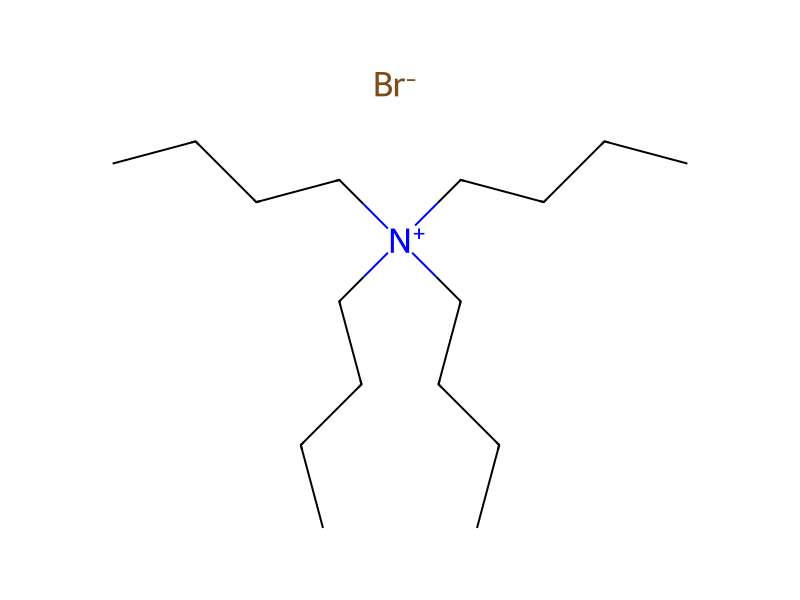
Br[C:2]1[S:3][CH:4]=[CH:5][C:6]=1[CH:7]=[O:8].[C:9]([O:13][C:14]([CH3:17])([CH3:16])[CH3:15])(=[O:12])[CH:10]=[CH2:11].C(=O)([O-])[O-].[K+].[K+]>[Br-].C([N+](CCCC)(CCCC)CCCC)CCC.CN(C=O)C.C([O-])(=O)C.[Pd+2].C([O-])(=O)C>[CH:7]([C:6]1[CH:5]=[CH:4][S:3][C:2]=1/[CH:11]=[CH:10]/[C:9]([O:13][C:14]([CH3:17])([CH3:16])[CH3:15])=[O:12])=[O:8]A suspension of 1 g of 2-bromothiophene-3-carbaldehyde, 3.8 ml of tert-butyl acrylate, 120 mg of palladium acetate, 420 mg of tetra-n-butylammonium bromide, and 610 mg of potassium carbonate in 10 ml of DMF was stirred at 100° C. overnight. After leaving to be cooled, the insoluble material was filtered through Celite, and to the filtrate were added water and ethyl acetate to carry out a layer separation operation. The organic layer was washed with saturated brine and dried over anhydrous magnesium sulfate, and the solvent was evaporated under reduced pressure. The obtained residue was purified by silica gel column chromatography to obtain 660 mg of tert-butyl (2E)-3-(3-formyl-2-thienyl)acrylate.