StartseiteMCPSkillsWorkbenchOpenChem
StartseiteWorkbenchBenachrichtigungenMein Bereich
llms.txt · skill.md · MCP-AnleitungDatenschutz · Nutzungsbedingungen · Supportv1.8.4
  1. Startseite
  2. /Reaktion

1-Bromo-4-fluorobenzene → HCID 20141784, Verbindung

HRID 649535
Drucken

Reaktionsgleichung

C([Li])CCC.Br[C:7]1[CH:12]=[CH:11][C:10]([F:13])=[CH:9][CH:8]=1.I[C:15]1[N:16]=[C:17]([CH3:32])[N:18]([C:20]2[CH:21]=[C:22]3[C:27](=[C:28]([CH3:30])[CH:29]=2)[NH:26][C:25](=[O:31])[CH:24]=[CH:23]3)[CH:19]=1>CCCCCC.O1CCCC1.[Cl-].[Zn+2].[Cl-].C1C=CC([P]([Pd]([P](C2C=CC=CC=2)(C2C=CC=CC=2)C2C=CC=CC=2)([P](C2C=CC=CC=2)(C2C=CC=CC=2)C2C=CC=CC=2)[P](C2C=CC=CC=2)(C2C=CC=CC=2)C2C=CC=CC=2)(C2C=CC=CC=2)C2C=CC=CC=2)=CC=1>[F:13][C:10]1[CH:11]=[CH:12][C:7]([C:15]2[N:16]=[C:17]([CH3:32])[N:18]([C:20]3[CH:21]=[C:22]4[C:27](=[C:28]([CH3:30])[CH:29]=3)[NH:26][C:25](=[O:31])[CH:24]=[CH:23]4)[CH:19]=2)=[CH:8][CH:9]=1
KomponentenVersuchsvorschriftAufarbeitungQuellen und NachweiseNotizen zur Reaktion

Komponenten

8

Edukt 3

HCID 99931-Bromo-4-fluorobenzeneHCID 143503486-(4-Iodo-2-methylimidazol-1-yl)-8-methyl-2-(1H)-quinoloneHCID 178418339Butyllithium

Produkt 1

HCID 20141784HCID 20141784, Verbindung

Reagenzien, Katalysatoren, Lösungsmittel 4

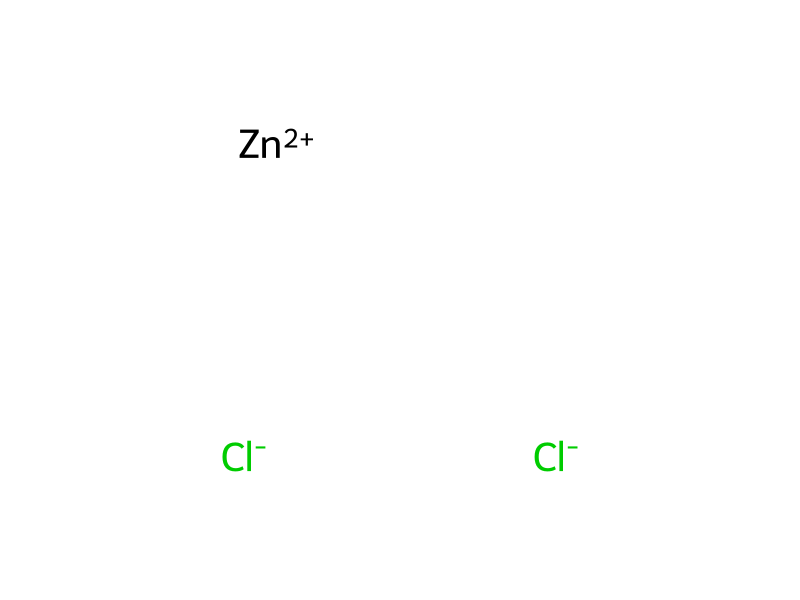
HCID 3007855SinkkikloridiKatalysator
HCID 178418397
HCID 178418397, Verbindung
Katalysator
HCID 8028TetrahydrofuranLösungsmittel2×
HCID 8058HexaneLösungsmittel

Versuchsvorschrift

n-Butyllithium (3.5 cm3 of a 1.43M solution in n-hexane) was added dropwise to a stirred solution of 4-bromo-fluorobenzene (0.88 g) in tetrahydrofuran (THF) (20 cm3) at -70° under nitrogen. After 0.5 hours a solution of anhydrous zinc chloride (0.68 g) in THF (10 cm3) was added dropwise, and the mixture was warmed to room temperature over 1 hour. 6-(4-Iodo-2-methylimidazol-1-yl)-8-methyl-2-(1H)-quinolone (0.37 g) and tetrakis(triphenylphosphine)palladium (O) (0.01 g) were added and the mixture heated under reflux for 1.5 hours. The cooled solution was quenched with water (10 cm3) and poured into a saturated solution of ethylenediaminetetraacetic acid disodium salt in water (30 cm3), which had been adjusted to pH 9 by addition of sodium carbonate solution. This mixture was extracted with dichloromethane (3×100 cm3) and the combined and dried (MgSO4) extracts were evaporated in vacuo to give a residue which was chromatographed on silica (Merck "MK 60.9385" [Trade Mark]) eluting with methanol:dichloromethane, 1:19 by volume. Collection and evaporation of appropriate fractions afforded a solid which was recrystallised from ethyl acetate to give the title compound, m.p. 289°-291° (0.14 g).

Aufarbeitung

  1. temperaturethe mixture heated
  2. temperatureunder reflux for 1.5 hours
  3. customThe cooled solution was quenched with water (10 cm3)
  4. additionpoured into a saturated solution of ethylenediaminetetraacetic acid disodium salt in water (30 cm3), which
  5. additionhad been adjusted to pH 9 by addition of sodium carbonate solution
  6. extractionThis mixture was extracted with dichloromethane (3×100 cm3)
  7. dry with materialdried (MgSO4) extracts
  8. customwere evaporated in vacuo
  9. customto give a residue which
  10. customwas chromatographed on silica (Merck "MK 60.9385" [Trade Mark])
  11. washeluting with methanol
  12. customCollection and evaporation of appropriate fractions
  13. customafforded a solid which
  14. customwas recrystallised from ethyl acetate

Quellen und Nachweise

ORD-Eintrag
ord-5d2af655b2e14e0d8402555b3141ab13
Quelldatensatz
uspto-grants-1988_04
DOI
10.6084/m9.figshare.5104873.v1
Patentnummer
US04740513

Notizen zur Reaktion

Auf dieser SeiteKomponentenVersuchsvorschriftAufarbeitungQuellen und NachweiseNotizen zur Reaktion