Sodium Iodide → HCID 20196858, Verbindung
HRID 652766
Reaktionsgleichung

[Cl:1][C:2]1[CH:11]=[C:10]([Cl:12])[CH:9]=[C:4]([C:5]([O:7][CH3:8])=[O:6])[C:3]=1[OH:13].[CH2:14](Br)[C:15]#[CH:16].C(=O)([O-])[O-].[K+].[K+].[I-].[Na+]>CC(CC)=O>[CH2:16]([O:13][C:3]1[C:2]([Cl:1])=[CH:11][C:10]([Cl:12])=[CH:9][C:4]=1[C:5]([O:7][CH3:8])=[O:6])[C:15]#[CH:14]Komponenten
6
Edukt 4

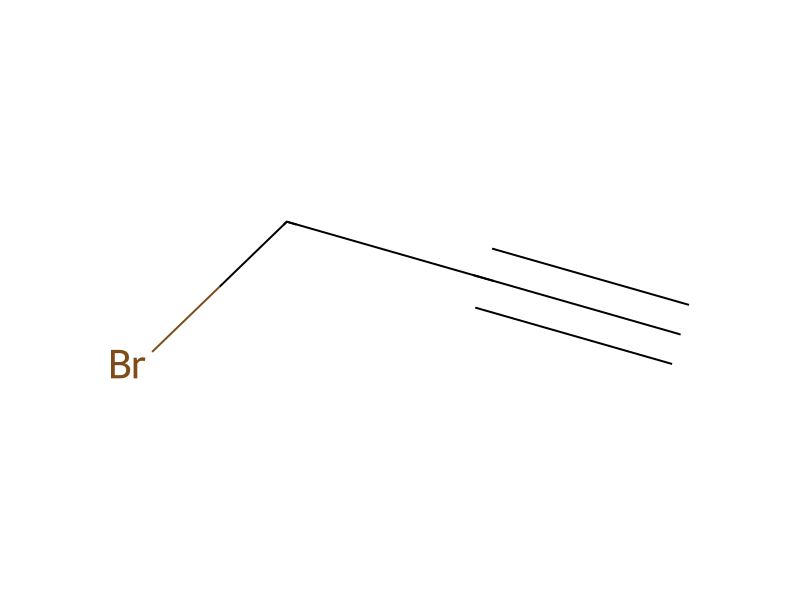


Produkt 1

Reagenzien, Katalysatoren, Lösungsmittel 1
