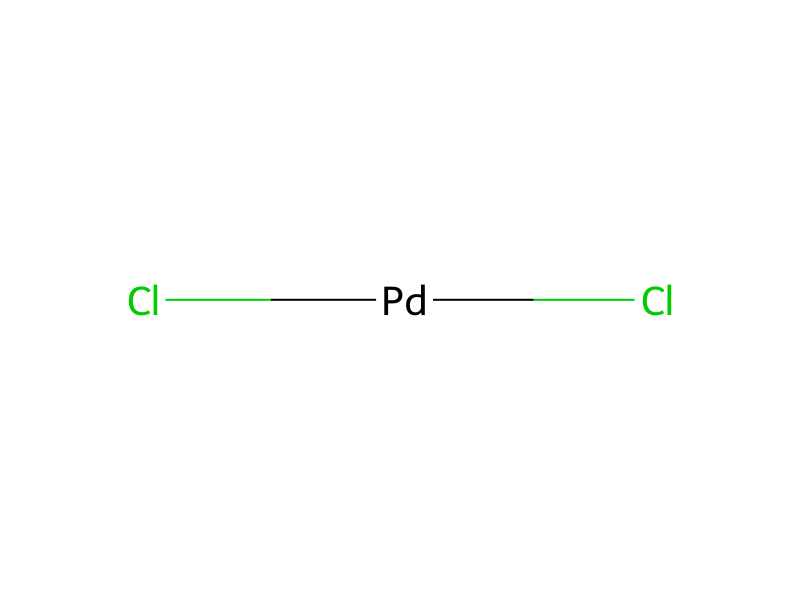
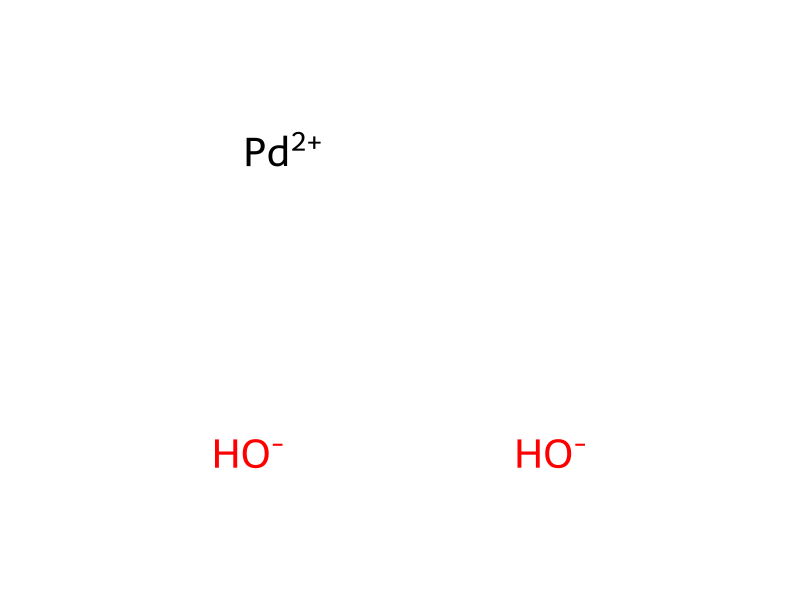
C([N:14]1[CH2:17][CH:16]([N:18]2[CH2:23][CH2:22][N:21]([C:24]3[N:29]=[C:28]4[N:30]([C:35]5[CH:40]=[CH:39][CH:38]=[CH:37][CH:36]=5)[N:31]=[C:32]([CH2:33][CH3:34])[C:27]4=[CH:26][N:25]=3)[CH2:20][CH2:19]2)[CH2:15]1)(C1C=CC=CC=1)C1C=CC=CC=1>C(O)(=O)C.[OH-].[OH-].[Pd+2].Cl[Pd]Cl>[NH:14]1[CH2:15][CH:16]([N:18]2[CH2:19][CH2:20][N:21]([C:24]3[N:29]=[C:28]4[N:30]([C:35]5[CH:40]=[CH:39][CH:38]=[CH:37][CH:36]=5)[N:31]=[C:32]([CH2:33][CH3:34])[C:27]4=[CH:26][N:25]=3)[CH2:22][CH2:23]2)[CH2:17]1A 100-mL round-bottom flask was purged, flushed and maintained with a hydrogen atmosphere, then, was added a solution of 6-(4-(1-benzhydrylazetidin-3-yl)piperazin-1-yl)-3-ethyl-1-phenyl-1H-pyrazolo[3,4-d]pyrimidine (400 mg, 0.76 mmol, 1.00 equiv) in acetic acid (20 mL) at room temperature. To the resulting mixture was then added Pd(OH)2 (50 mg, 0.4 mmol, 0.5 equiv), in portions at room temperature, followed by PdCl2 (50 mg, 0.28 mmol, 0.37 equiv), in portions at room temperature. The resulting solution was stirred overnight at room temperature. The solids were filtered out. The resulting mixture was concentrated under vacuum. The resulting residue (250 mg) was purified by Prep-HPLC with the following conditions (Gilson Pre-HPLC): Column, SHISEIDO, CAPCELL PAK C18, 20 mm ID*250 mm, 5 u; mobile phase, methanol/H2O; Detector, UV 254 nm, to yield 6-(4-(azetidin-3-yl)piperazin-1-yl)-3-ethyl-1-phenyl-1H-pyrazolo[3,4-d]pyrimidine as a white solid.