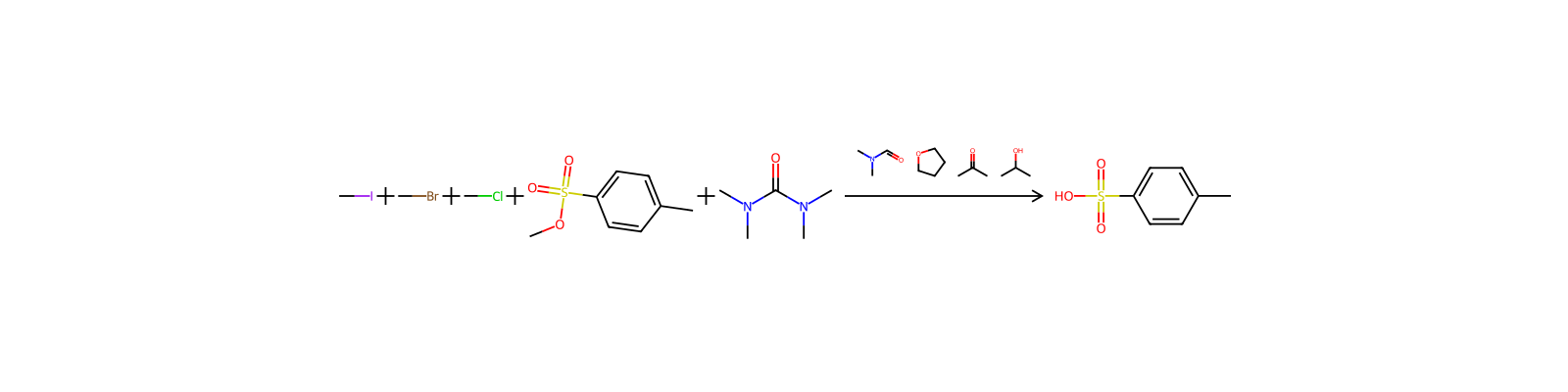
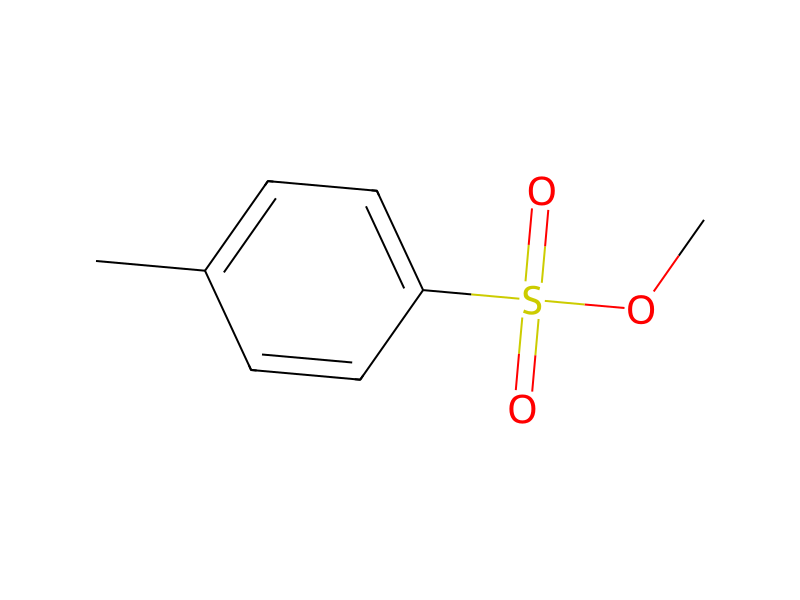
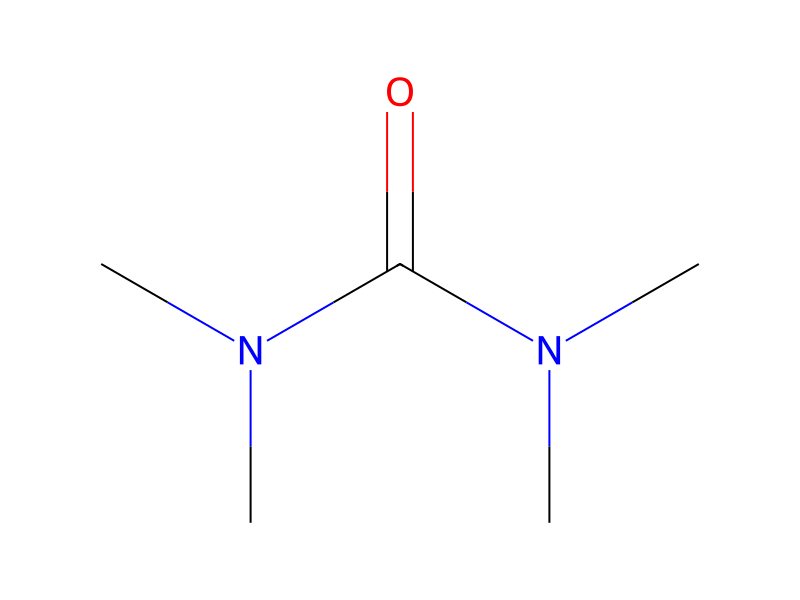
The methylation of the pyridine nitrogen atom in the compound of the formula XXIII, with formation of the pyridinium salt of the formula XXIV, can be carried out smoothly with numerous methylating agents, for example methyl iodide, methyl bromide, methyl chloride or methyl toluene-4-sulfonate, in a number of solvents, for example alcohols, such as isopropanol, amides, such as DMF, N,N,N′,N′-tetramethylurea, ketones, such as acetone, or ethers, such as THF, preferably at temperatures of from about 40 to about 60° C. In the reaction of the compound of the formula XXIII with methyl chloride in DMF at 45° C., for example, the compound of the formula XXIV where X=Cl is obtained in quantitative yield and a purity of about 98.4%. When the methylation is carried out on an industrial scale, it is preferred to use a less volatile methylating agent. Since an additional anion exchange, for example by ion exchange chromatography, is to be avoided if possible, a further aspect in the selection of the methylating agent is the effect of the anion X, contained in the compounds of the formulae IV, IX and I and originating from the methylating agent, on the properties of these compounds, for example on the solubility of the compound of the formula IV or a salt thereof, which is of importance in the coupling reaction of the compounds of the formulae III and IV, or on the solubilities, the precipitation properties and the physiological compatibility of the compound of the formula I. Overall, the iodides and toluene-4-sulfonates have, based on their properties, been found to be particularly favorable, preferred methylating agents thus being methyl iodide and methyl toluene-4-sulfonate (=methyl tosylate). The toluene-4-sulfonates, in particular, are distinguished, in the case of the compound of the formula IV or the toluene-4-sulfonic acid salt thereof, by the fact that they can be isolated easily, are highly soluble and have a high peptide coupling rate, and in the case of the compound of the formula I, in particular by surprisingly good precipitation properties, purity and yield. A particularly preferred methylating agent for the conversion of the compound of the formula XXIII into the compound of the formula XXIV thus is methyl toluene-4-sulfonate.