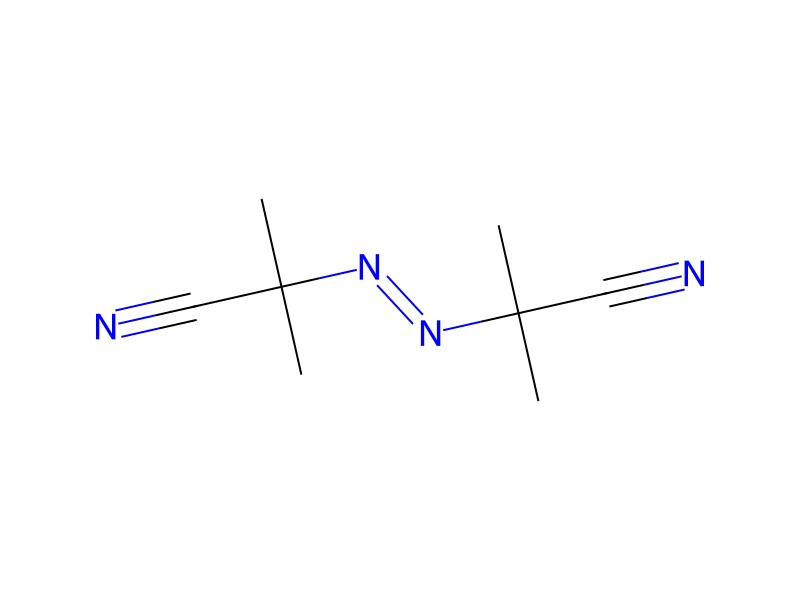
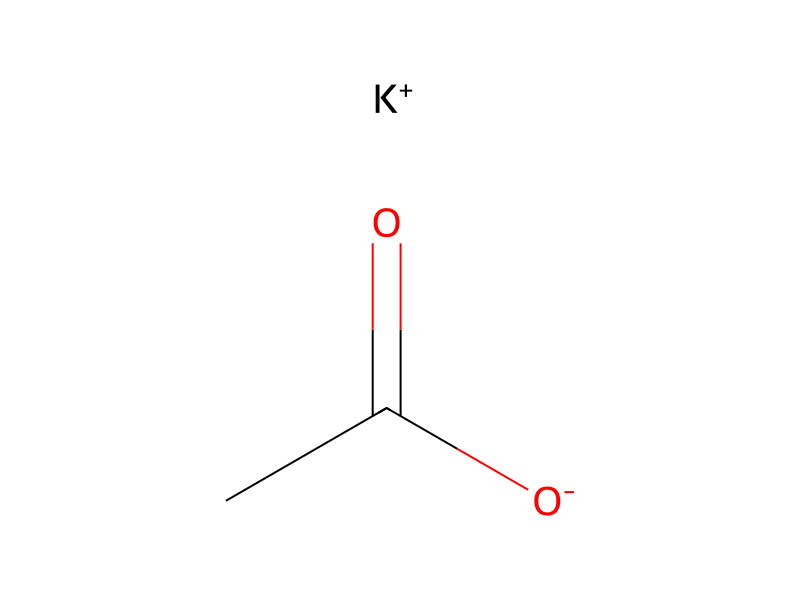
A carbon tetrachloride (15 ml) suspension of 5-methylthiazole (380 mg, 3.83 mmol), N-chlorosuccinic imide (511 mg, 3.83 mmol), 2,2′-azobis(2-methylpropionitrile) (62 mg, 0.380 mmol) and acetic acid (0.22 ml, 3.83 mmol) was heated under reflux for 18 hours under a nitrogen atmosphere. The reaction mixture was cooled to room temperature and then, concentrated under reduced pressure. The resulting residue was dissolved in butanol (10 ml). To the resulting solution were added sodium 4-chlorophenylsulfinate (761 mg, 3.83 mmol) and potassium acetate (376 mg, 3.83 mmol), followed by stirring at 70° C. for 23 hours. After cooling to room temperature, the reaction mixture was concentrated under reduced pressure. Ethyl acetate was added to the residue. The mixture was washed successively with water and brine and then dried over anhydrous sodium sulfate. After filtration, the filtrate was concentrated under reduced pressure. The residue was subjected to chromatography on a silica gel column. The fraction obtained from the hexane:ethyl acetate (=1:1) eluate was concentrated under reduced pressure, whereby the title compound (76 mg, 7.2%) was obtained as a pale yellow solid.