Reaktionsgleichung

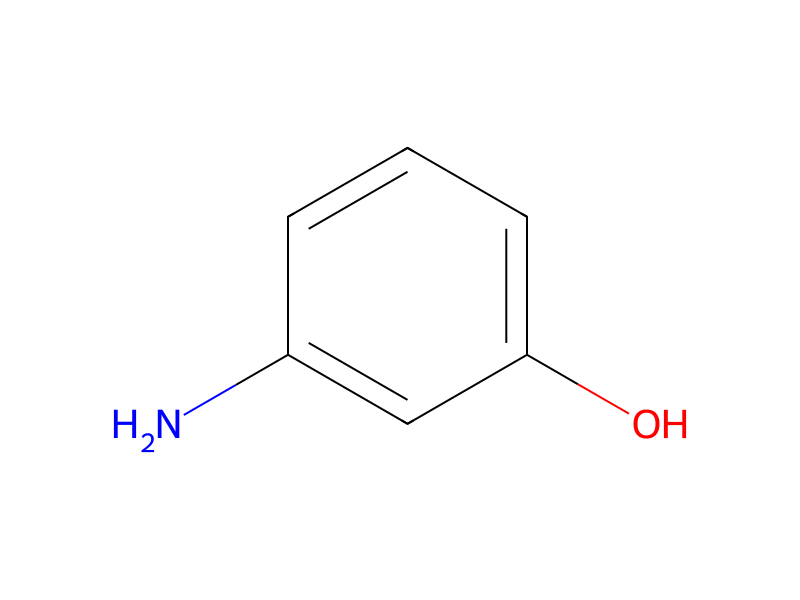
Cl[C:2]1[CH:7]=[CH:6][N:5]=[C:4]([C:8]([NH2:10])=[O:9])[CH:3]=1.[NH2:11][C:12]1[CH:13]=[C:14]([OH:18])[CH:15]=[CH:16][CH:17]=1>CC(N(C)C)=O>[C:8]([C:4]1[CH:3]=[C:2]([O:18][C:14]2[CH:13]=[C:12]([CH:17]=[CH:16][CH:15]=2)[NH2:11])[CH:7]=[CH:6][N:5]=1)(=[O:9])[NH2:10]Komponenten
4
Edukt 2

Produkt 1

Reagenzien, Katalysatoren, Lösungsmittel 1

Versuchsvorschrift
Entry 12: 4-Chloropyridine-2-carbonyl chloride HCl salt was reacted with ammonia according to Method A2, Step 3b to form 4-chloro-2-pyridinecarboxamide. 4-Chloro-2-pyridinecarboxamide was reacted with 3-aminophenol according to Method A2, Step 4 using DMAC in place of DMF to give 3-(2-carbamoyl-4-pyridyloxy)aniline. According to Method C2a, 2-methoxy-5-(trifluoromethyl)aniline was reacted with phosgene followed by 3-(2-carbamoyl-4-pyridyloxy)aniline to afford the urea.
Quellen und Nachweise
- ORD-Eintrag
- ord-a30e281a8dea4b9690bc11b0eed73e2f
- Quelldatensatz
- uspto-grants-2014_09
- Patentnummer
- US08841330B2
Verknüpfte Notizen
Wird geladen…