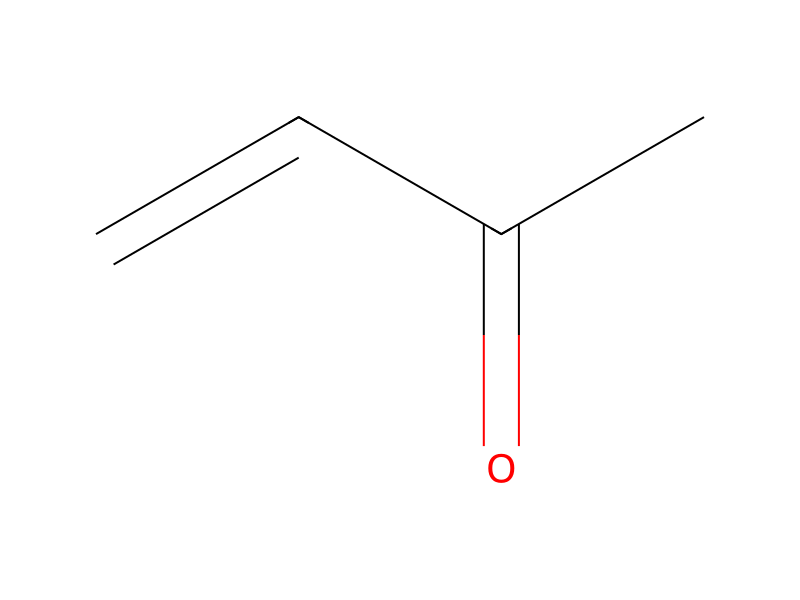
A solution 2-butyl-4-chloro-5-methoxy-1-indanone (550 mg, 2.03 mmol) in tetrahydrofuran (4.06 mL) was treated with methyl vinyl ketone (0.203 mL, 2.44 mmol) and 0.5N sodium methoxide in methanol (0.812 mL, 0.406 mmol). The mixture was stirred at room temperature for 90 minutes to effect conversion to 2-butyl-4-chloro-5-methoxy-2-(3-oxobutyl)-1-indanone. The reaction mixture was evaporated under vacuum. The residue in toluene (10 mL) was treated with pyrrolidine (0.170 mL, 2.03 mmol) and acetic acid (0.140 mmol, 2.44 mmol). The resulting mixture was stirred and heated in an oil bath at 80° C. for 2.5 hours. After cooling to room temperature, the mixture was partitioned between EtOAc and water. The organic phase was washed with 0.1N HCl, saturated aqueous NaHCO3 and brine, dried over MgSO4, filtered, and evaporated under vacuum. The residue was purified by preparative layer chromatography on silica gel GF plates to afford 9a-butyl-8-chloro-7-methoxy-1,2,9,9a-tetrahydro-3H-fluoren-3-one.