Ammonium formate → 3-Fluoro-4-(4-methyl-1H-imidazol-1-yl)aniline
Reaktionsgleichung

[F:1][C:2]1[CH:3]=[C:4]([N+:14]([O-])=O)[CH:5]=[CH:6][C:7]=1[N:8]1[CH:12]=[C:11]([CH3:13])[N:10]=[CH:9]1.C([O-])=O.[NH4+]>CO.O1CCCC1.[Pd]>[NH2:14][C:4]1[CH:5]=[CH:6][C:7]([N:8]2[CH:12]=[C:11]([CH3:13])[N:10]=[CH:9]2)=[C:2]([F:1])[CH:3]=1Komponenten
6
Edukt 2
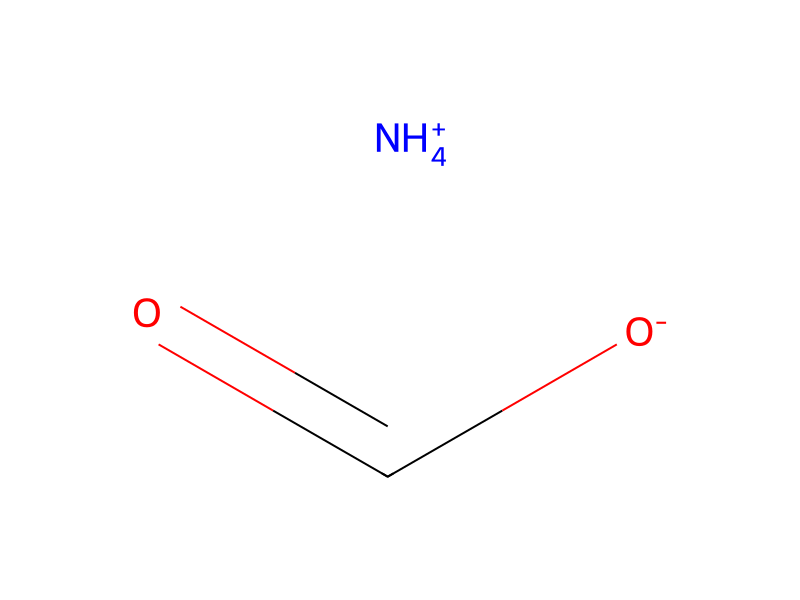

Produkt 1

Reagenzien, Katalysatoren, Lösungsmittel 3



Versuchsvorschrift
3-Fluoro-4-(4-methylimidazol-1-yl)nitrobenzene (64.7 g, 0.293 M) was dissolved in a mixture of methanol (200 ml) and tetrahydrofuran (800 ml), cooled to 0° under nitrogen, and treated with ammonium formate (99.3 g, 1.46 M) followed by palladium on charcoal (10%, 2.5 g). The mixture was stirred at ambient temperature for 48 hours, filtered through celite, celite washed with methanol (200 ml), and filtrate evaporated to dryness. The residue was partitioned between ethyl acetate (800 ml) and 10% aqueous sodium bicarbonate (250 ml). The organic layer was separated, washed with brine (250 ml), dried (magnesium sulfate) and evaporated to give title compound (50.6 g).
Aufarbeitung
- temperaturecooled to 0° under nitrogen
- filtrationfiltered through celite, celite
- washwashed with methanol (200 ml), and filtrate
- customevaporated to dryness
- customThe residue was partitioned between ethyl acetate (800 ml) and 10% aqueous sodium bicarbonate (250 ml)
- customThe organic layer was separated
- washwashed with brine (250 ml)
- dry with materialdried (magnesium sulfate)
- customevaporated
Quellen und Nachweise
- ORD-Eintrag
- ord-00bddb52efa04079bd2ef516bbbdea34
- Quelldatensatz
- uspto-grants-2006_08
- Patentnummer
- US07087629B2
Notizen zur Reaktion
Wird geladen…