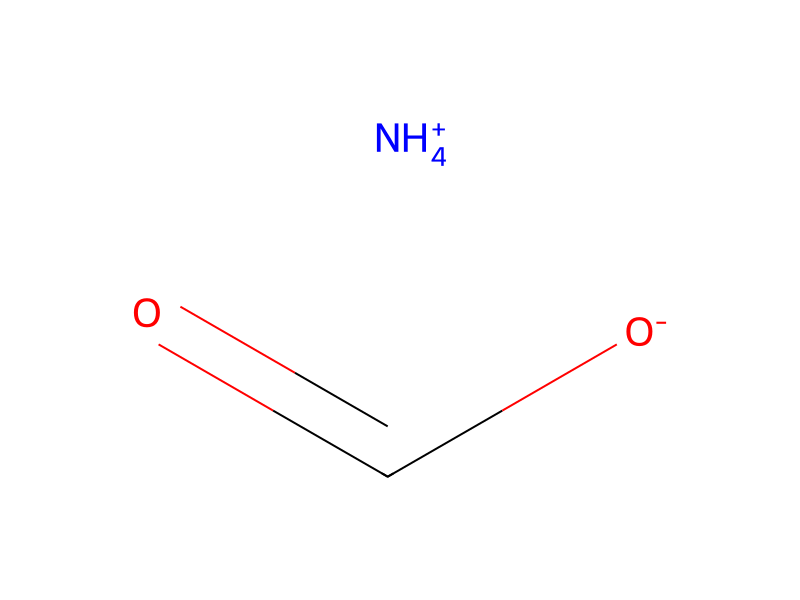
[F:1][C:2]1[CH:3]=[C:4]2[C:9](=[CH:10][CH:11]=1)[N:8]=[C:7]([CH:12]=[CH:13][C:14]1[N:15]=[C:16]([CH3:19])[S:17][CH:18]=1)[N:6]([C:20]1[C:21]([CH3:26])=[N:22][CH:23]=[CH:24][CH:25]=1)[C:5]2=[O:27].C([O-])=O.[NH4+]>[Pd].CO>[F:1][C:2]1[CH:3]=[C:4]2[C:9](=[CH:10][CH:11]=1)[N:8]=[C:7]([CH2:12][CH2:13][C:14]1[N:15]=[C:16]([CH3:19])[S:17][CH:18]=1)[N:6]([C:20]1[C:21]([CH3:26])=[N:22][CH:23]=[CH:24][CH:25]=1)[C:5]2=[O:27]To a slurry of 10% palladium on carbon (0.15 g) in methanol(12 mL) were added 6-fluoro-3-(2-methyl-pyridin-3-yl)-2-[2-(2-methyl-thiazol-4-yl)-vinyl]-3 H-quinazolin-4-one (0.075 g, 0.198 mmol) and ammonium formate (1.2 g, 19 mmol). The mixture was refluxed overnight, cooled and filtered through celite. The pad was washed with methanol. The filtrate was concentrated. The residue was partitioned between chloroform and water. The phases were separated and the aqueous layer was extracted with chloroform. The combined organic phase was washed with water and brine, dried over magnesium sulfate, and concentrated to afford 0.035 g (47%) of 6-fluoro-3-(2-methyl-pyridin-3-yl)-2-[2-(2-methyl-thiazol-4-yl)-ethyl]-3H-quinazolin-4-one as a white solid.
Wird geladen…