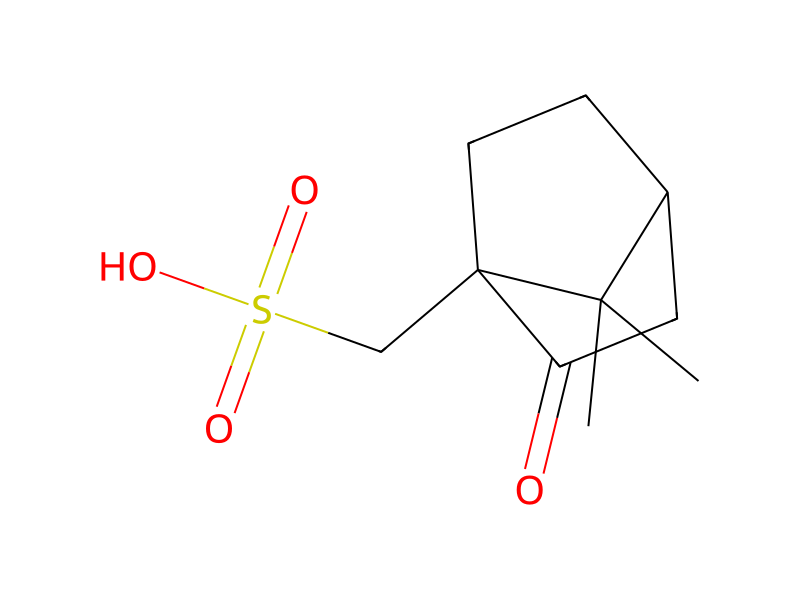
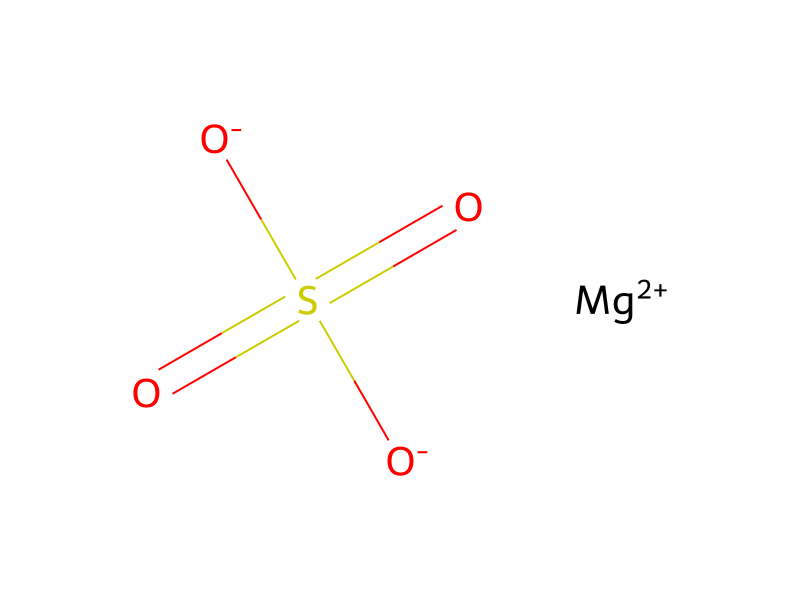
[CH3:1][O:2][C:3]1[CH:4]=[C:5]2[C:10](=[CH:11][CH:12]=1)[CH:9]=[C:8]([C@H:13]([CH3:23])[C:14]([O:16][CH2:17][CH:18](OC)OC)=[O:15])[CH:7]=[CH:6]2.C12(CS(O)(=O)=O)C(C)(C)C(CC1)CC2=O.S([O-])([O-])(=O)=O.[Mg+2].[SH:45][CH2:46][C:47]([OH:49])=[O:48]>ClC(Cl)C>[CH3:1][O:2][C:3]1[CH:4]=[C:5]2[C:10](=[CH:11][CH:12]=1)[CH:9]=[C:8]([C@H:13]([CH3:23])[C:14]([O:16][CH2:17][C@@H:18]1[S:45][CH2:46][C:47](=[O:49])[O:48]1)=[O:15])[CH:7]=[CH:6]2To a round bottom flask is added 2,2-dimethoxyethyl (S)-6-methoxy-α-methyl-2-naphthaleneacetate (13.8 g), dichloroethane (60 mL), camphorsulfonic acid (0.7 g) and magnesium sulfate (1.0 g). The reaction mixture is heated to reflux and a solution of mercaptoacetic acid (13.5 g) in dichloroethane (15 mL) is added dropwise. The mixture is removed from the oil bath and a sample is taken for TLC and NMR analysis. Additional camphorsulfonic acid (0.6 g) is added and the mixture is heated in an oil bath to reflux for 2 hours. The mixture is cooled to room temperature and then shaken with water (50 mL) and saturated sodium bicarbonate (50 mL). The separated lower phase is shaken with saturated sodium bicarbonate (25 mL) and water (50 mL), the phases are separated and the lower cloudy organic phase is vacuum concentrated to give 17.4 g of crude product. The obtained syrup is applied to a silica column and eluted with EtOAc/heptanes (15:85) to provide 8.0 g of product.
Wird geladen…