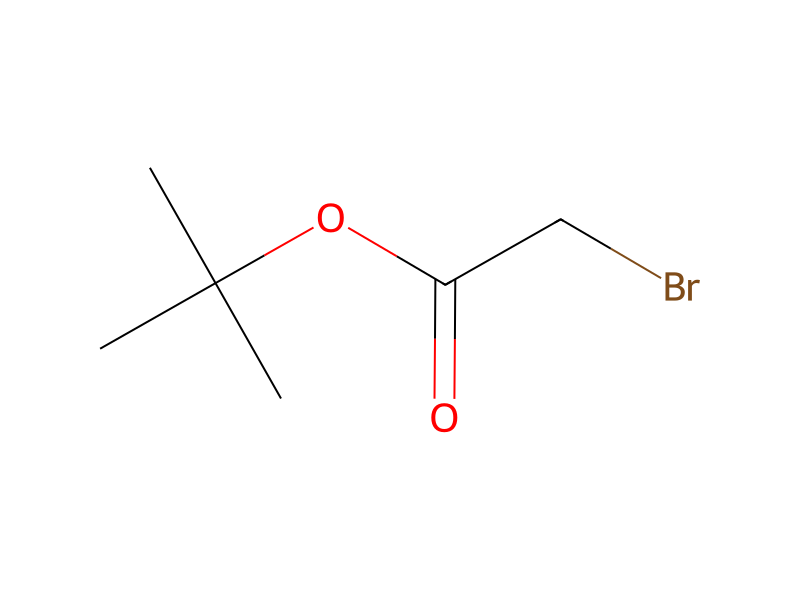
[Cl-].C([Al+]CC)C.Br[CH2:8][C:9]([O:11][C:12]([CH3:15])([CH3:14])[CH3:13])=[O:10].[CH2:16]([C:28]1[CH:35]=[CH:34][CH:33]=[CH:32][C:29]=1[CH:30]=[O:31])[CH2:17][CH2:18][CH2:19][CH2:20][CH2:21][CH2:22][CH2:23][CH2:24][CH2:25][CH2:26][CH3:27]>CCCCCC.O1CCCC1.[Zn].[Cu]Br>[OH:31][CH:30]([C:29]1[CH:32]=[CH:33][CH:34]=[CH:35][C:28]=1[CH2:16][CH2:17][CH2:18][CH2:19][CH2:20][CH2:21][CH2:22][CH2:23][CH2:24][CH2:25][CH2:26][CH3:27])[CH2:8][C:9]([O:11][C:12]([CH3:15])([CH3:14])[CH3:13])=[O:10]A solution of diethylaluminum chloride (54.7 mmol) in hexane was added to a slurry of zinc dust (74.5 mmol) and a catalytic amount of copper (I) bromide (2.5 mmol) in anhydrous tetrahydrofuran (300 ml) while stirring under argon at 20° C. The resulting mixture was then cooled to 0° C. in an ice-methanol bath. A solution of t-butyl bromoacetate (49.8 mmol) and 2-dodecylbenzaldehyde of Example 1(c) (54.7 mmol); in anhydrous tetrahydrofuran was added slowly over 60 minutes. The reaction was stirred for about 24 hours and was permitted to warm slowly to room temperature. The mixture was filtered to remove zinc, concentrated, acidified with 3N hydrochloric acid and extracted with ether. Organic extracts were dried over magnesium sulfate, filtered, and evaporated to afford crude product. This material was then flash chromatographed on silica using 8% ethyl acetate in hexane to give the desired product in 79% yield.