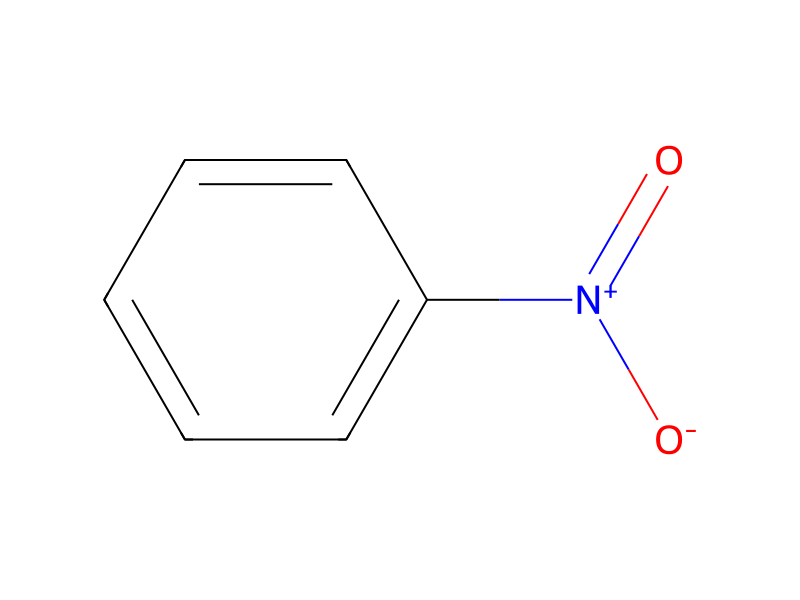
To 147 g of iodobenzoic acid and 45.5 g of potassium carbonate are added 57 ml of nitrobenzene. The mixture is heated with stirring at 160° C. for 40 minutes. To the heated mixture is added an additional 46.5 g of potassium carbonate and then successively 73.1 g of 4-fluorophenol, another 46.5 g of potassium carbonate and 0.3 g of copper powder. After these additions, the mixture is stirred at 160° C. for 45 minutes and the resulting solid is cooled to 0° C. The cooled solid is mixed with 100 ml of water and 220 ml of 6N hydrochloric acid. The acidic mixture is diluted with water to a volume of one liter and then mixed with 450 ml of chloroform. The white solid is filtered off and washed with chloroform and water. The solid is dissolved in hot acetone, cooled and filtered to leave a white crystalline product, mp 146°-147° C. of 2-(4-fluorophenoxy)benzoic acid.