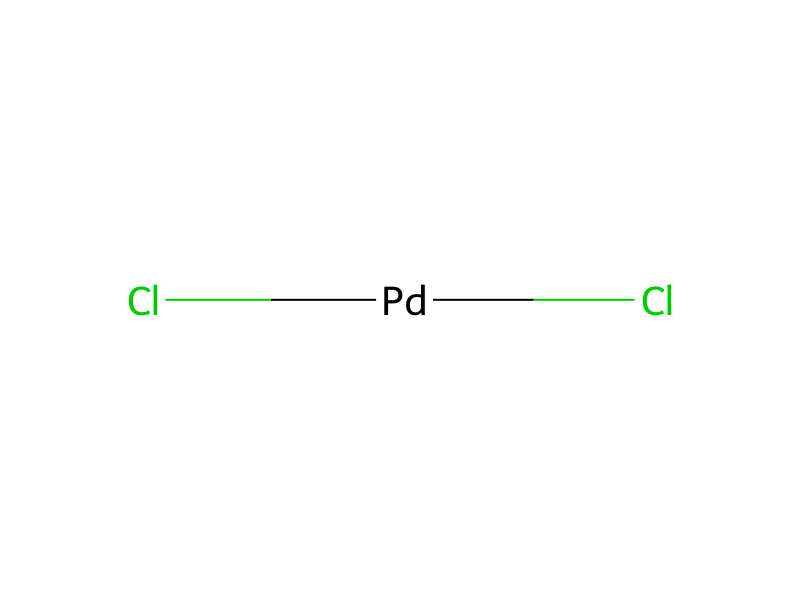
[CH2:1]([C@H:4]1[N:7]([C:8](=[C:13]([CH3:15])[CH3:14])[C:9]([O:11][CH3:12])=[O:10])[C:6](=[O:16])[CH2:5]1)[CH:2]=[CH2:3].CN(C)C=[O:20]>O.C(OCC)(=O)C.[Pd](Cl)Cl>[O:20]=[C:2]([CH3:3])[CH2:1][C@H:4]1[N:7]([C:8](=[C:13]([CH3:15])[CH3:14])[C:9]([O:11][CH3:12])=[O:10])[C:6](=[O:16])[CH2:5]1A mixture of methyl 2-[(4R)-4-allyl-2-oxoazetidin-1-yl]-3-methylbut-2-enoate (100 mg), palladium chloride (16 mg) and cuprous chloride (44 mg) in a mixture of dimethylformamide (1 ml) and water (0.12 ml) was stirred under an oxygen atmosphere for 3.5 hours. The reaction mixture was diluted with ethyl acetate (20 ml), and filtered. The filtrate was washed with water and brine. The combined aqueous layer was extracted with ethyl acetate (10 ml×2) and the extract was washed with brine. The organic layers were combined, and dried over magnesium sulfate, and evaporated in vacuo. The oily residue was chromatographed on silica gel (1 g) eluting with methylene chloride and acetone (100:2-100:5) to give methyl 2-[(4R)-4-(2-oxopropyl)-2-oxoazetidin-1-yl]-3-methylbut-2-enoate (89 mg) as an oil.