StartseiteMCPWorkbenchSkills
StartseiteWorkbenchBenachrichtigungenMein Bereich
llms.txt · MCP-AnleitungDatenschutz · Nutzungsbedingungen · Supportv1.8.3
  1. Startseite
  2. /Reaktion

1,1'-(9,9-Dimethyl-9H-xanthene-4,5-diyl)bis(1,1-diphenylphosphine) → N-(5-(4-(((tert-Butyl(dimethyl)silyl)oxy)methyl)-1-piperidinyl)-2-pyridinyl)-9-cyclopentyl-8-fluoro-9H-pyrido[4',3':4,5]pyrrolo[2,3-d]pyrimidin-2-amine

HRID 876001
Drucken

Reaktionsgleichung

Reaktionsgleichung von HRID 876001
[CH:1]1([N:6]2[C:10]3[N:11]=[C:12]([NH2:15])[N:13]=[CH:14][C:9]=3[C:8]3[CH:16]=[CH:17][N:18]=[C:19]([F:20])[C:7]2=3)[CH2:5][CH2:4][CH2:3][CH2:2]1.[Si:21]([O:28][CH2:29][CH:30]1[CH2:35][CH2:34][N:33]([C:36]2[CH:37]=[CH:38][C:39](Cl)=[N:40][CH:41]=2)[CH2:32][CH2:31]1)([C:24]([CH3:27])([CH3:26])[CH3:25])([CH3:23])[CH3:22].C1(P(C2C=CC=CC=2)C2C3OC4C(=CC=CC=4P(C4C=CC=CC=4)C4C=CC=CC=4)C(C)(C)C=3C=CC=2)C=CC=CC=1.CC(C)([O-])C.[Na+]>C1C=CC(/C=C/C(/C=C/C2C=CC=CC=2)=O)=CC=1.C1C=CC(/C=C/C(/C=C/C2C=CC=CC=2)=O)=CC=1.C1C=CC(/C=C/C(/C=C/C2C=CC=CC=2)=O)=CC=1.[Pd].[Pd].O1CCOCC1>[Si:21]([O:28][CH2:29][CH:30]1[CH2:31][CH2:32][N:33]([C:36]2[CH:37]=[CH:38][C:39]([NH:15][C:12]3[N:13]=[CH:14][C:9]4[C:8]5[CH:16]=[CH:17][N:18]=[C:19]([F:20])[C:7]=5[N:6]([CH:1]5[CH2:2][CH2:3][CH2:4][CH2:5]5)[C:10]=4[N:11]=3)=[N:40][CH:41]=2)[CH2:34][CH2:35]1)([C:24]([CH3:27])([CH3:25])[CH3:26])([CH3:23])[CH3:22]
KomponentenReaktionsbedingungenVersuchsvorschriftAufarbeitungQuellen und NachweiseNotizen zur Reaktion

Komponenten

7

Edukt 4

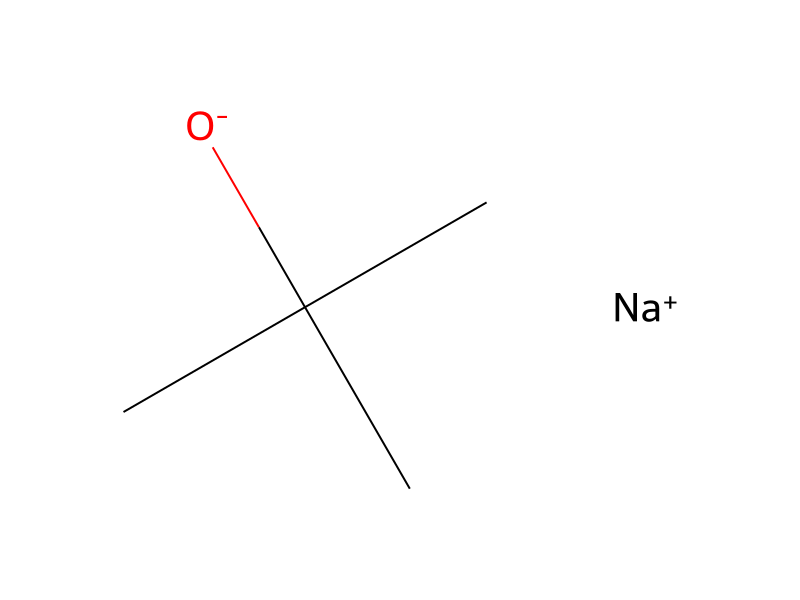
HCID 6360441,1'-(9,9-Dimethyl-9H-xanthene-4,5-diyl)bis(1,1-diphenylphosphine)HCID 23676156Sodium t-butoxideHCID 582995615-(4-((t-Butyldimethylsilyloxy)methyl)piperidin-1-yl)-2-chloropyridineHCID 582996889-Cyclopentyl-8-fluoro-9H-pyrido[4',3':4,5]pyrrolo[2,3-d]pyrimidin-2-amine

Produkt 1

HCID 58300053
N-(5-(4-(((tert-Butyl(dimethyl)silyl)oxy)methyl)-1-piperidinyl)-2-pyridinyl)-9-cyclopentyl-8-fluoro-9H-pyrido[4',3':4,5]pyrrolo[2,3-d]pyrimidin-2-amine
Ausbeute 57 %

Reagenzien, Katalysatoren, Lösungsmittel 2

HCID 9811564Bis(dibenzylideneacetone)palladiumKatalysatorHCID 312751,4-DioxaneLösungsmittel

Reaktionsbedingungen

Temperatur
120 °C

Versuchsvorschrift

A 10 mL reaction vessel was charged with compound 245 (100 mg, 369 mmol), compound 281 (126 mg, 369 mmol), tris(dibenzylideneacetone)dipalladium (0) (25.3 mg, 27.6 mmol), 4,5-bis(diphenylphosphino)-9,9-dimethyl-9H-xanthene (32.0 mg, 55.3 mmol), sodium t-butoxide (70.8 mg, 737 mmol), and dioxane (1.5 mL).). The reaction was purged with argon and heated with microwave energy (300 W) for 2 hours at 120° C. The resulting solution was added to ethyl acetate (40 mL) and washed with water (30 mL) and brine (30 mL). The organic phase was dried (MgSO4) and evaporated to give an orange oil. Silica gel chromatography (gradient elution hexanes+2.5% TEA/0-35% ethyl acetate+2.5% TEA) afforded compound 282 as a yellow solid (121 mg, 57%).

Aufarbeitung

  1. customA 10 mL reaction vessel
  2. customThe reaction was purged with argon
  3. additionThe resulting solution was added to ethyl acetate (40 mL)
  4. washwashed with water (30 mL) and brine (30 mL)
  5. dry with materialThe organic phase was dried (MgSO4)
  6. customevaporated
  7. customto give an orange oil
  8. washSilica gel chromatography (gradient elution hexanes+2.5% TEA/0-35% ethyl acetate+2.5% TEA)

Quellen und Nachweise

ORD-Eintrag
ord-2780a375ab014c3e971bf5012ae5eb5b
Quelldatensatz
uspto-grants-2015_03
DOI
10.6084/m9.figshare.5104873.v1
Patentnummer
US08980903B2

Notizen zur Reaktion

Auf dieser SeiteKomponentenReaktionsbedingungenVersuchsvorschriftAufarbeitungQuellen und NachweiseNotizen zur Reaktion