StartseiteMCPWorkbenchSkills
StartseiteWorkbenchBenachrichtigungenMein Bereich
llms.txt · MCP-AnleitungDatenschutz · Nutzungsbedingungen · Supportv1.8.3
  1. Startseite
  2. /Reaktion

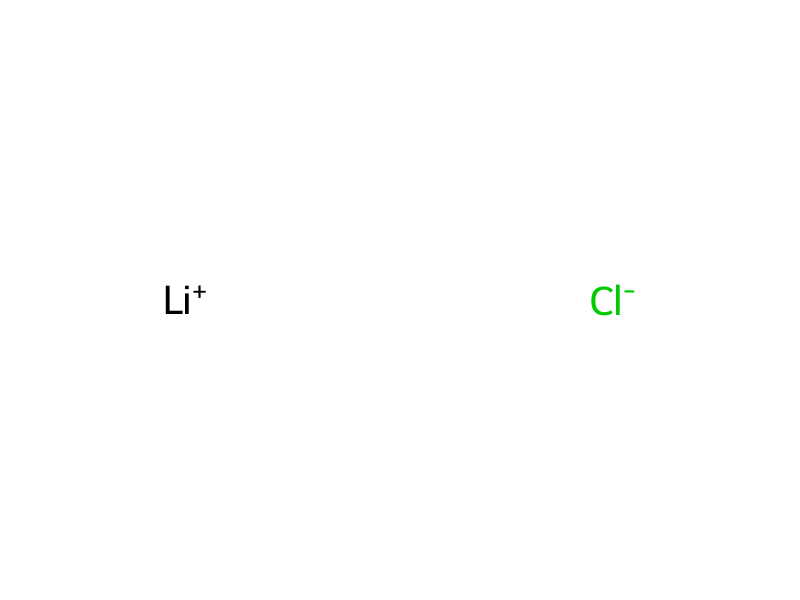
Lithium Chloride → (Z)-7-Chloro-3-(2-chlorobenzyl)-1-(4-methoxybenzyl)-5-(2-oxo-2,3-dihydro-1H-benzo[d]imidazol-5-yl)-1H-benzo[e][1,4]diazepin-2(3H)-one

HRID 885021
Drucken

Reaktionsgleichung

Reaktionsgleichung von HRID 885021
Cl[C:2]1[C:3]2[CH:30]=[C:29]([Cl:31])[CH:28]=[CH:27][C:4]=2[N:5]([CH2:18][C:19]2[CH:24]=[CH:23][C:22]([O:25][CH3:26])=[CH:21][CH:20]=2)[C:6](=[O:17])[CH:7]([CH2:9][C:10]2[CH:15]=[CH:14][CH:13]=[CH:12][C:11]=2[Cl:16])[N:8]=1.[O:32]=[C:33]1[NH:37][C:36]2[CH:38]=[CH:39][C:40](B3OC(C)(C)C(C)(C)O3)=[CH:41][C:35]=2[NH:34]1.[Cl-].[Li+].O.[OH-].[Cs+]>[Pd].C1(P(C2C=CC=CC=2)C2C=CC=CC=2)C=CC=CC=1.C1(P(C2C=CC=CC=2)C2C=CC=CC=2)C=CC=CC=1.C1(P(C2C=CC=CC=2)C2C=CC=CC=2)C=CC=CC=1.C1(P(C2C=CC=CC=2)C2C=CC=CC=2)C=CC=CC=1.O.O1CCOCC1>[Cl:31][C:29]1[CH:28]=[CH:27][C:4]2[N:5]([CH2:18][C:19]3[CH:20]=[CH:21][C:22]([O:25][CH3:26])=[CH:23][CH:24]=3)[C:6](=[O:17])[CH:7]([CH2:9][C:10]3[CH:15]=[CH:14][CH:13]=[CH:12][C:11]=3[Cl:16])[N:8]=[C:2]([C:39]3[CH:40]=[CH:41][C:35]4[NH:34][C:33](=[O:32])[NH:37][C:36]=4[CH:38]=3)[C:3]=2[CH:30]=1
KomponentenReaktionsbedingungenVersuchsvorschriftAufarbeitungQuellen und NachweiseNotizen zur Reaktion

Komponenten

8

Edukt 4

HCID 433294Lithium ChlorideHCID 23679066Caesium hydroxide--water (1/1/1)HCID 438110655-(4,4,5,5-Tetramethyl-1,3,2-dioxaborolan-2-yl)-1H-benzo[d]imidazol-2(3H)-oneHCID 595943935,7-Dichloro-3-(2-chlorobenzyl)-1-(4-methoxybenzyl)-1H-benzo[e][1,4]diazepin-2(3H)-one

Produkt 1

HCID 59594383
(Z)-7-Chloro-3-(2-chlorobenzyl)-1-(4-methoxybenzyl)-5-(2-oxo-2,3-dihydro-1H-benzo[d]imidazol-5-yl)-1H-benzo[e][1,4]diazepin-2(3H)-one

Reagenzien, Katalysatoren, Lösungsmittel 3

HCID 11979704Tetrakis(triphenylphosphine)palladiumKatalysatorHCID 962WaterLösungsmittelHCID 312751,4-DioxaneLösungsmittel

Reaktionsbedingungen

Temperatur
100 °C

Versuchsvorschrift

(E)-5,7-Dichloro-3-(2-chlorobenzyl)-1-(4-methoxybenzyl)-1H-benzo[e][1,4]diazepin-2(3H)-one (0.68 g, 1.44 mmol), 2-oxo-2,3-dihydro-1H-benzoimidazole-5-boronic acid pinacol ester (0.37 g, 1.44 mmol) and lithium chloride (0.183 g, 4.31 mmol) were added to 1,4-dioxane (12 mL). Nitrogen was bubbled into the solution as reagents were added. Tetrakis(triphenylphosphine) palladium(0) (166 mg, 0.144 mmol) was added followed by cesium hydroxide monohydrate (723 mg, 4.31 mmol) and water (1 mL). After bubbling nitrogen through the mixture for 5 minutes it was heated to 100° C. under a nitrogen atmosphere. Following heating for 2 hours, the mixture was cooled to ambient temperature, diluted with ethyl acetate (50 mL), washed with water (2×40 mL), then brine (40 mL), dried with sodium sulfate, decanted, then concentrated in the presence of silica. The resulting silica gel-bound crude product was loaded onto a silica gel column and eluted with a gradient of 0-100% ethyl acetate in hexanes to yield (Z)-7-chloro-3-(2-chlorobenzyl)-1-(4-methoxybenzyl)-5-(2-oxo-2,3-dihydro-1H-benzo[d]imidazol-5-yl)-1H-benzo[e][1,4]diazepin-2(3H)-one as a 2:1 mixture of product:2-oxo-2,3-dihydro-1H-benzoimidazole-5-boronic acid pinacol ester (200 mg, 24%). ESI m/z 571.1, 573.1.

Aufarbeitung

  1. customNitrogen was bubbled into the solution as reagents
  2. additionwere added
  3. customAfter bubbling nitrogen through the mixture for 5 minutes it
  4. temperatureFollowing heating for 2 hours
  5. temperaturethe mixture was cooled to ambient temperature
  6. additiondiluted with ethyl acetate (50 mL)
  7. washwashed with water (2×40 mL)
  8. dry with materialbrine (40 mL), dried with sodium sulfate
  9. customdecanted
  10. concentrationconcentrated in the presence of silica
  11. washeluted with a gradient of 0-100% ethyl acetate in hexanes

Quellen und Nachweise

ORD-Eintrag
ord-778fd8e33d784f48bb8ae777d87fc899
Quelldatensatz
uspto-grants-2012_08
DOI
10.6084/m9.figshare.5104873.v1
Patentnummer
US08242109B2

Notizen zur Reaktion

Auf dieser SeiteKomponentenReaktionsbedingungenVersuchsvorschriftAufarbeitungQuellen und NachweiseNotizen zur Reaktion


