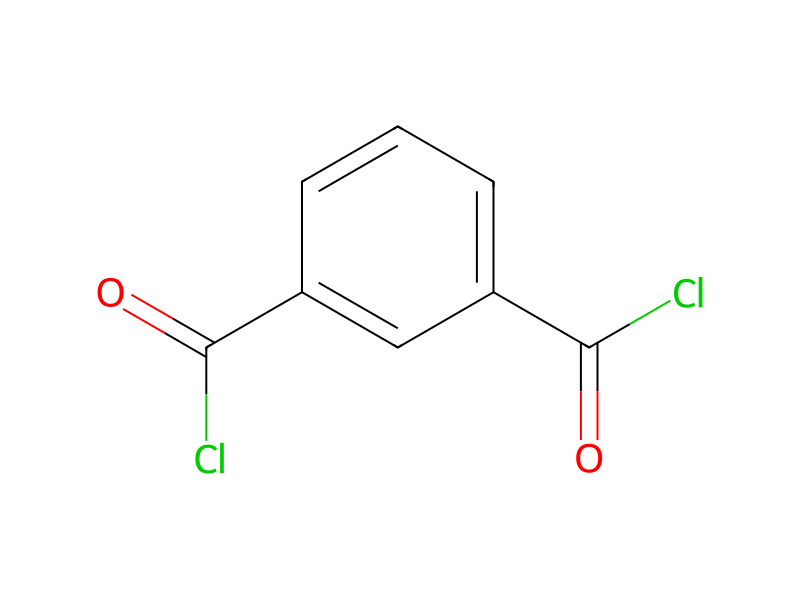
N1N[N:3]=[N:4][C:5]=1[C:6]1[CH:7]=[N:8][C:9]2[C:14]([CH:15]=1)=[CH:13][CH:12]=[CH:11][CH:10]=2.[N:16]1[CH:21]=[CH:20][CH:19]=[CH:18][CH:17]=1.[C:22](Cl)(=[O:32])[C:23]1[CH:31]=[CH:30][CH:29]=[C:25]([C:26](Cl)=[O:27])[CH:24]=1.O>CCCCCC.C(Cl)(Cl)Cl>[N:16]1[C:21]2[C:20](=[CH:7][CH:6]=[CH:15][CH:14]=2)[CH:19]=[C:18]([C:5]2[O:32][C:22]([C:23]3[CH:31]=[CH:30][CH:29]=[C:25]([C:26]4[O:27][C:5]([C:6]5[CH:7]=[N:8][C:9]6[C:14]([CH:15]=5)=[CH:13][CH:12]=[CH:11][CH:10]=6)=[N:4][N:3]=4)[CH:24]=3)=[N:3][N:4]=2)[CH:17]=1After dissolving 4.0 g of 3-(2H-tetrazole-5-yl)-quinoline into 60 ml of dehydrated pyridine, 2.1 g of isophthaloylchloride was added. The mixture was heated to 100° C. and stirred under reflux for 3 hours. After cooling to a room temperature, the reaction solution was poured into water to collect a precipitated solid by suction filtration, and the solid was washed with water. The solid was dried under vacuum at 70° C. for 20 hours to obtain a grayish white crude product. After dissolving the thus-obtained crude product into chloroform, hexane was added to allow purification by crystallization, thereby obtaining 3.90 g of 3QOXDm (31) (yield: 82%). NMR analysis (see FIG. 4) was performed for identification of the product. The results of the NMR analysis are as follows. 9.70 ppm (2H), 9.02 ppm (1H), 8.98 ppm (2H), 8.46 ppm (2H), 8.24 ppm (2H), 8.05 ppm (2H), 7.89 ppm (2H), 7.83 ppm (1H), 7.71 ppm (2H).
Wird geladen…