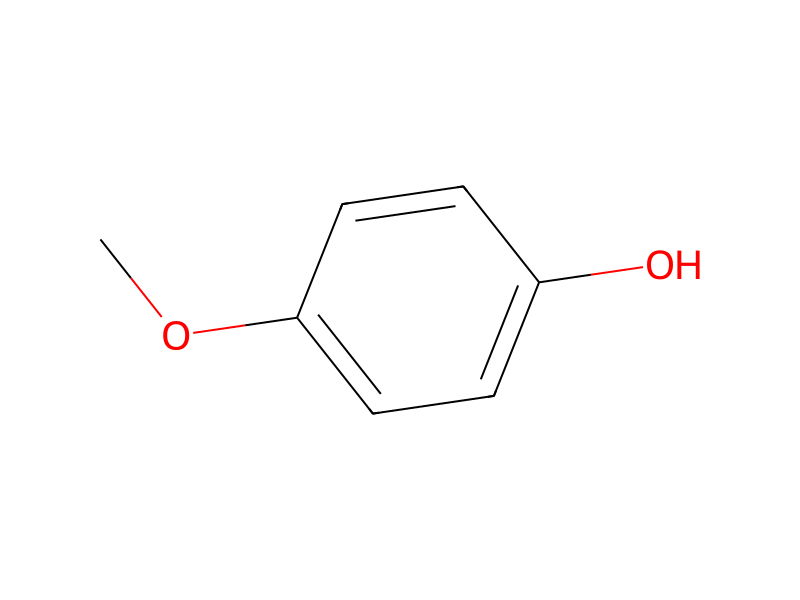
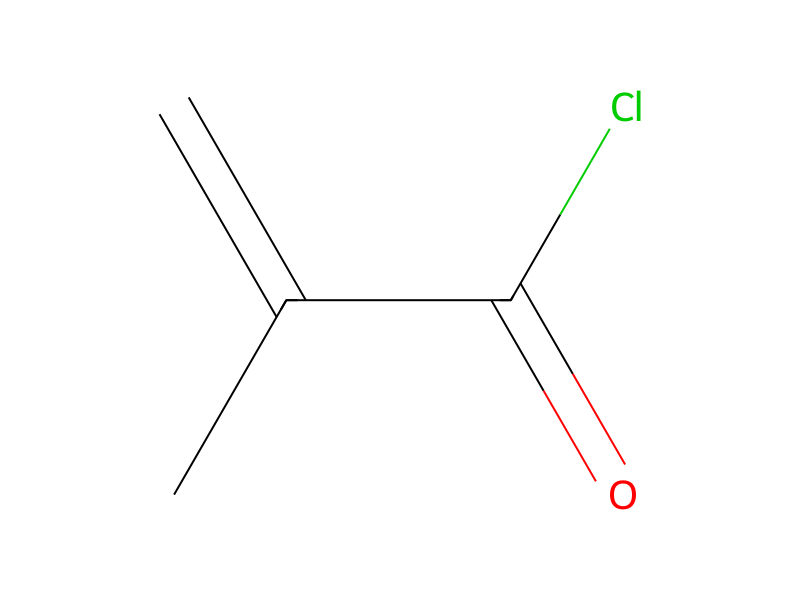
[CH3:1][C:2]1([O:12][C:13](=[O:20])[CH2:14][O:15][C:16](=[O:19])[CH2:17][OH:18])[CH:9]2[CH2:10][CH:5]3[CH2:6][CH:7]([CH2:11][CH:3]1[CH2:4]3)[CH2:8]2.C(N(CC)CC)C.COC1C=CC(O)=CC=1.[C:37](Cl)(=[O:41])[C:38]([CH3:40])=[CH2:39]>C(OCC)C.C1COCC1>[C:37]([O:18][CH2:17][C:16]([O:15][CH2:14][C:13]([O:12][C:2]1([CH3:1])[CH:9]2[CH2:8][CH:7]3[CH2:6][CH:5]([CH2:4][CH:3]1[CH2:11]3)[CH2:10]2)=[O:20])=[O:19])(=[O:41])[C:38]([CH3:40])=[CH2:39]A 2 liter 3-neck flask fitted with a thermometer, a cooling tube and a stirrer was charged with 165 g (584 mmol) of 2-(2-(2-methyl-2-adamantyloxy)-2-oxoethoxy)-2-oxoethanol, 2,000 ml of THF, 105 ml (754 mmol) of triethylamine and 0.165 g (1,000 ppm) of p-methoxyphenol, and the mixture was stirred to form a solution. Following dissolution, the solution was cooled in an ice bath and 62.7 ml (648 mmol) of methacryloyl chloride was added gradually to the solution. The reaction mixture was then returned to room temperature, and stirred for 3 hours. Following completion of the reaction, 1,000 ml of diethyl ether was added, and the filtrate was washed 5 times with 200 ml samples of distilled water. The washed extract was then concentrated, yielding 198 g (yield: 97%, GC purity: 99%) of the targeted colorless liquid.