Lactic Acid → Calcium hexalactate
HRID 894147
Reaktionsgleichung

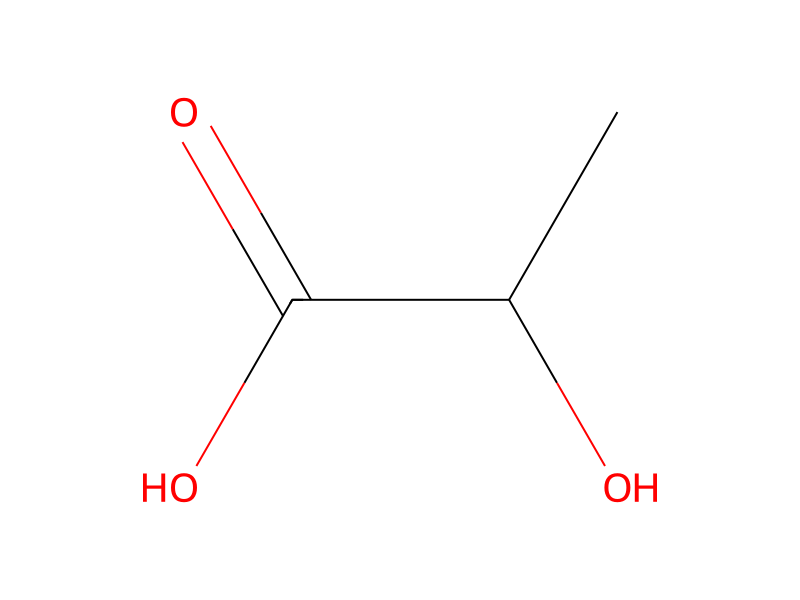
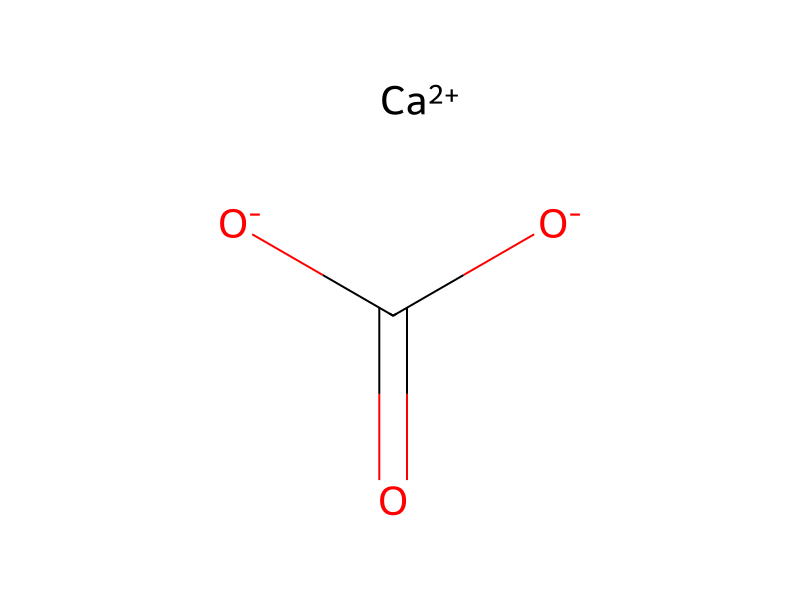
[C:1]([OH:6])(=[O:5])[CH:2]([CH3:4])[OH:3].C(=O)([O-])[O-].[Ca+2:11]>O>[C:1]([O-:6])(=[O:5])[CH:2]([CH3:4])[OH:3].[C:1]([O-:6])(=[O:5])[CH:2]([CH3:4])[OH:3].[C:1]([O-:6])(=[O:5])[CH:2]([CH3:4])[OH:3].[C:1]([O-:6])(=[O:5])[CH:2]([CH3:4])[OH:3].[C:1]([O-:6])(=[O:5])[CH:2]([CH3:4])[OH:3].[C:1]([O-:6])(=[O:5])[CH:2]([CH3:4])[OH:3].[Ca+2:11].[Ca+2:11].[Ca+2:11]Komponenten
4
Edukt 2
Produkt 1

Reagenzien, Katalysatoren, Lösungsmittel 1

Versuchsvorschrift
30 kg of 80% synthetic lactic acid are dissolved in 66 kg of water and refluxed for 15 hours. Next, 4.4 kg of calcium carbonate are added to the approximately 25% solution of lactic acid at a temperature of about 70° C., while stirring, and the clear solution is finally dried in a thin-layer evaporator at about 80° C. and 25-50 torr vacuum. 25.4 kg of pourable calcium hexalactate are obtained, corresponding to 98.9% of the theoretical quantity.