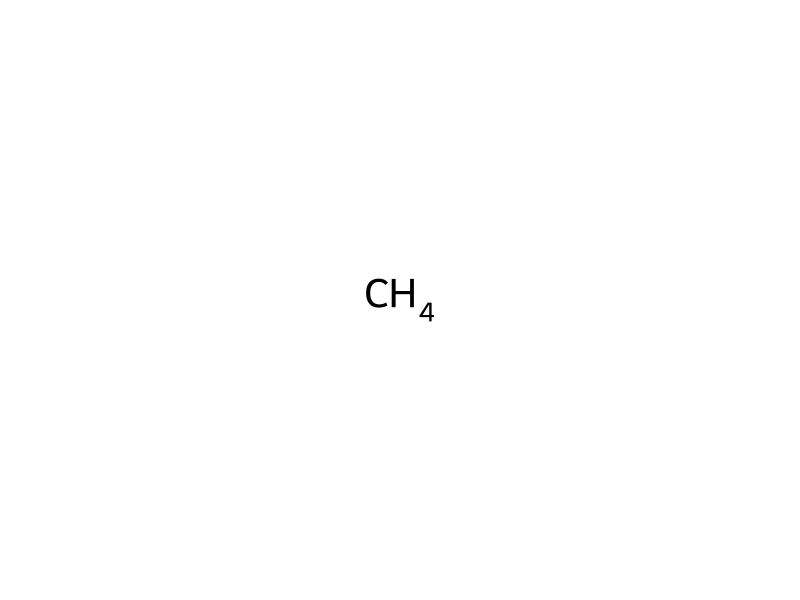
[CH2:1]([O:3][C:4](=[O:25])[CH2:5][CH:6]([C:15]([O:17]CC1C=CC=CC=1)=[O:16])[CH2:7][C:8]([O:10][C:11]([CH3:14])([CH3:13])[CH3:12])=[O:9])[CH3:2].C>C(O)C.[Pd]>[CH2:1]([O:3][C:4](=[O:25])[CH2:5][CH:6]([C:15]([OH:17])=[O:16])[CH2:7][C:8]([O:10][C:11]([CH3:13])([CH3:14])[CH3:12])=[O:9])[CH3:2]A solution of the compound of example 69 (2.29 g, 6.54 mmol) in ethanol (95%, 500 mL) was hydrogenated in the presence of a catalytic amount of palladium (10% on (charcoal). After 24 h of stirring, the reaction was complete. The mixture was filtered over a celite pad and the solvent evaporated. The residue was distributed between ethyl acetate and water. The aqueous phase was extracted twice more with ethyl acetate. The recombined organic layer was washed with brine, dried over sodium sulfate, filtered, and evaporated. The product was sufficiently pure on the basis of its 1H-NMR spectrum to be used in the next step. 1H-NMR(CDCl3, 400 MHz: 1.23(t, J=7.1, 3H); 1.41(s, 9H); 2.53-2.81(m, 4H); 3.25(m, 1H); 4.13(m, 2H).