Acetate → 2,6,6-Trimethyl-1-[2-pentenoyl]-2-cyclohexene
Reaktionsgleichung

[C:1]([O-])(=O)C.[CH3:5][C:6]([CH2:13][CH2:14][CH:15]=[C:16]([CH3:18])[CH3:17])=[CH:7][C:8](=[O:12])[CH:9]=[CH:10][CH3:11]>C([O-])(=O)C.[Cu+2].C([O-])(=O)C.C(O)(=O)C>[CH3:5][C:6]1[CH:7]([C:8](=[O:12])[CH:9]=[CH:10][CH2:11][CH3:1])[C:16]([CH3:17])([CH3:18])[CH2:15][CH2:14][CH:13]=1Komponenten
5
Edukt 2
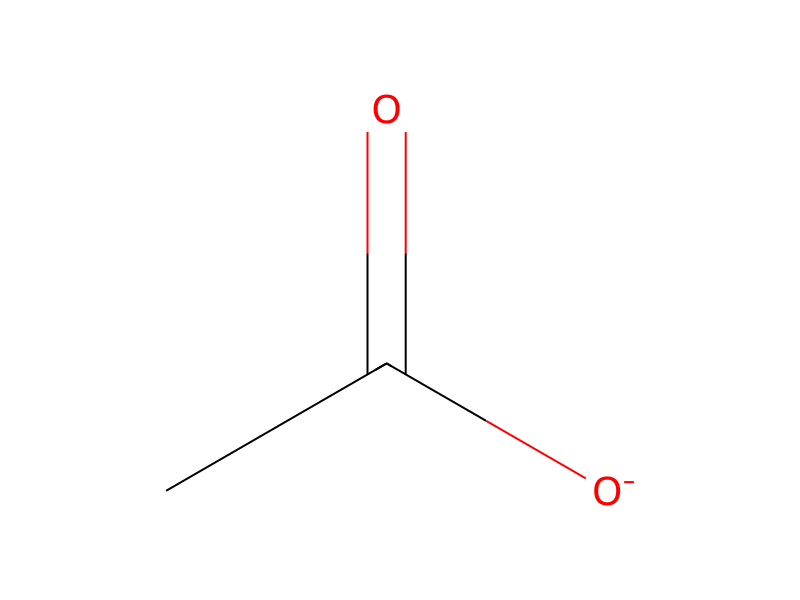

Produkt 1

Reagenzien, Katalysatoren, Lösungsmittel 2


Versuchsvorschrift
248 g. of the acetate prepared according to paragraph (c) were heated at 90° during 5 h. in the presence of 500 ml. of acetic acid and 10 g. of copper acetate. By means of vapour phase chromatography it was shown that the starting acetate had completely reacted. The mixture was concentrated in vacuum and the residue was treated with 300 ml. of water. After extraction with petrol-ether and the usual treatments, 190 g. of a mixture consisting of 7,11-dimethyl-5-oxo-3,6,10-dodecatriene and two isomeric ketones, 7,11-dimethyl-5-oxo-3,7,10-dodecatriene and 11-methyl-7-methylene-5-oxo-3,10-dedacadiene, were obtained.