StartseiteMCPWorkbenchSkills
StartseiteWorkbenchBenachrichtigungenMein Bereich
llms.txt · MCP-AnleitungDatenschutz · Nutzungsbedingungen · Supportv1.8.1
  1. Startseite
  2. /Reaktion

Hydrogen Peroxide → 2-Naphthol

HRID 904753
Drucken

Reaktionsgleichung

Reaktionsgleichung von HRID 904753
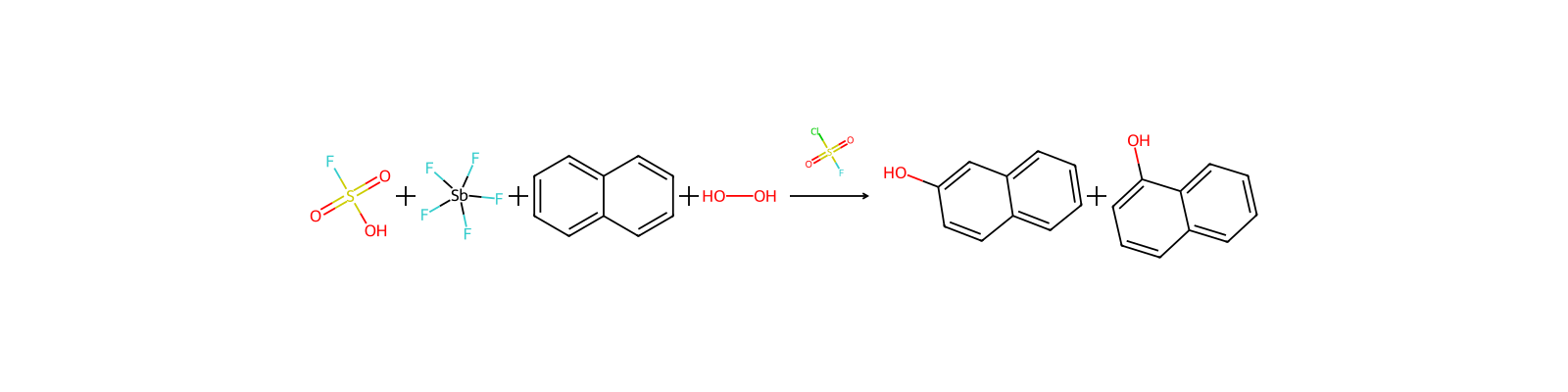
S(F)(=O)(=O)[OH:2].[Sb](F)(F)(F)(F)F.[CH:12]1[C:21]2[C:16](=[CH:17][CH:18]=[CH:19][CH:20]=2)[CH:15]=[CH:14][CH:13]=1.[OH:22]O>S(F)(Cl)(=O)=O>[CH:20]1[C:21]2[C:16](=[CH:15][CH:14]=[CH:13][CH:12]=2)[CH:17]=[CH:18][C:19]=1[OH:22].[C:20]1([OH:2])[C:21]2[C:16](=[CH:15][CH:14]=[CH:13][CH:12]=2)[CH:17]=[CH:18][CH:19]=1
KomponentenVersuchsvorschriftQuellen und NachweiseNotizen zur Reaktion

Komponenten

7

Edukt 4

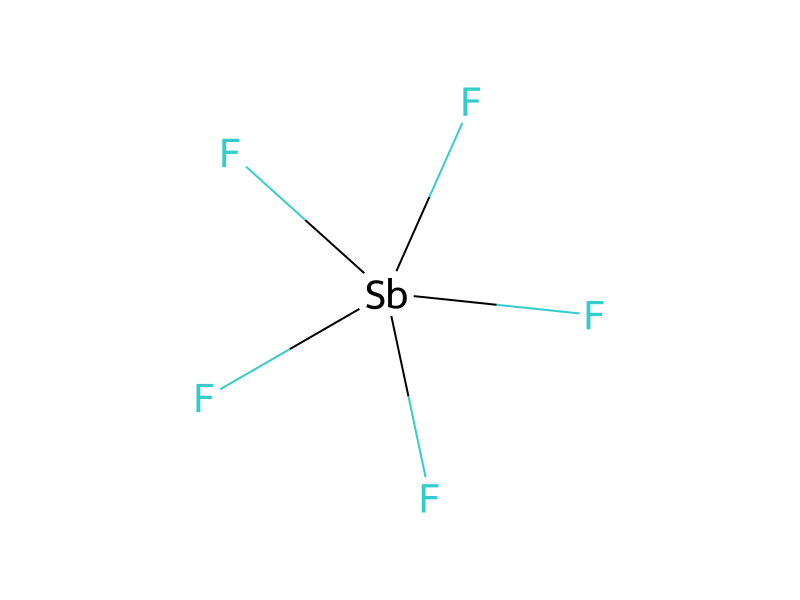
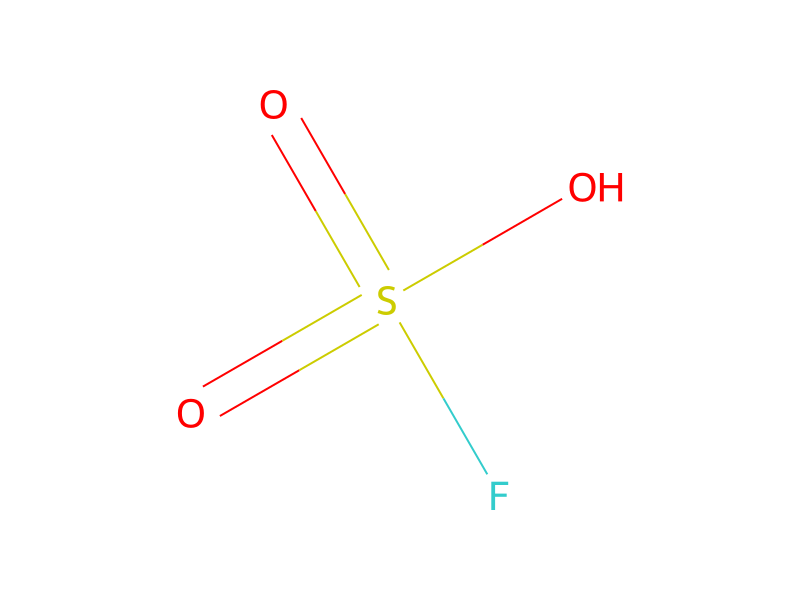
HCID 784Hydrogen PeroxideHCID 931NaphthaleneHCID 24557Antimony pentafluorideHCID 24603Fluorosulfuric acid

Produkt 2

HCID 70051-NaphtholAusbeute 4,4 %HCID 86632-NaphtholAusbeute 54,2 %

Reagenzien, Katalysatoren, Lösungsmittel

1
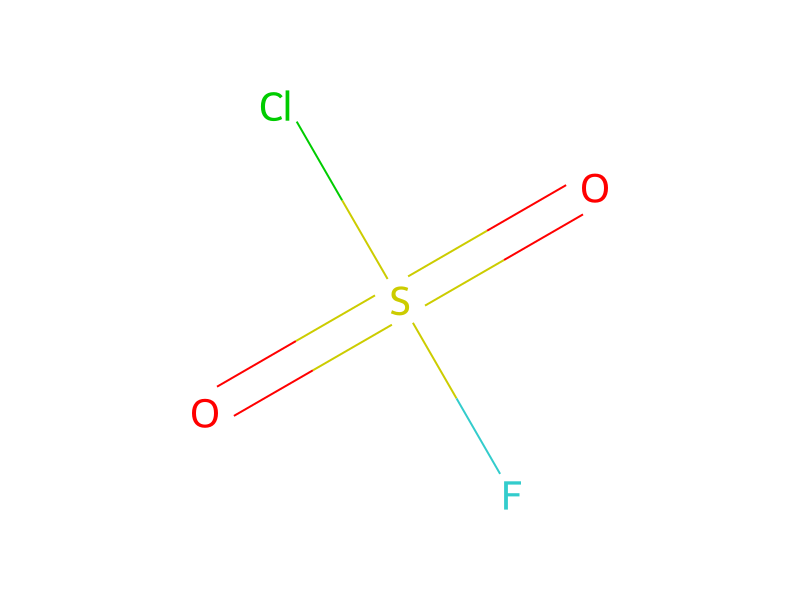
HCID 26159Sulfuryl chloride fluorideLösungsmittel

Versuchsvorschrift

Using a 1:1 molar mixture of fluorosulfuric acid and antimony pentafluoride diluted with sulfuryl chloride fluoride, a solvent of low nucleophilicity, the reaction of naphthalene with hydrogen peroxide (90% solution) at temperatures between -78% and -70° C., gave 54.2% of β-naphthol with 4.4% of α-naphthol. About 6% of dihydroxynaphthalenes were also formed with only traces of polymeric material and 22% naphthalene was recovered. The yield of β-naphthol is 69% with an isomeric purity of 92.5%. Similar results showing high regioselectivity in the formation of β-naphthol were also obtained in other superacidic systems, such as in hydrogen fluoride-antimony pentafluoride, hydrogen fluoride-tantalum pentafluoride, trifluoromethanesulfonic acid-antimony pentafluoride, and the like.
Quellen und Nachweise

ORD-Eintrag
ord-45c590c5388b422da12f781d18417bea
Quelldatensatz
uspto-grants-1983_12
DOI
10.6084/m9.figshare.5104873.v1
Patentnummer
US04419528

Notizen zur Reaktion

Auf dieser SeiteKomponentenVersuchsvorschriftQuellen und NachweiseNotizen zur Reaktion