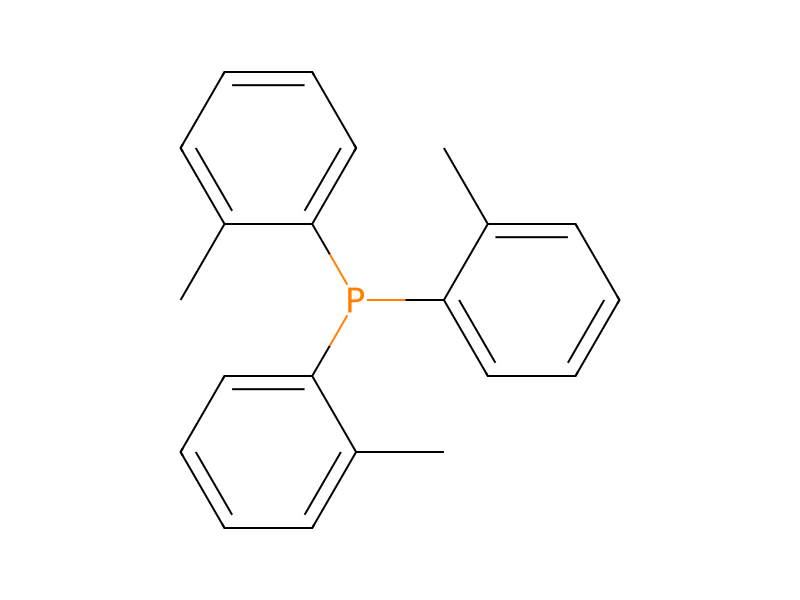
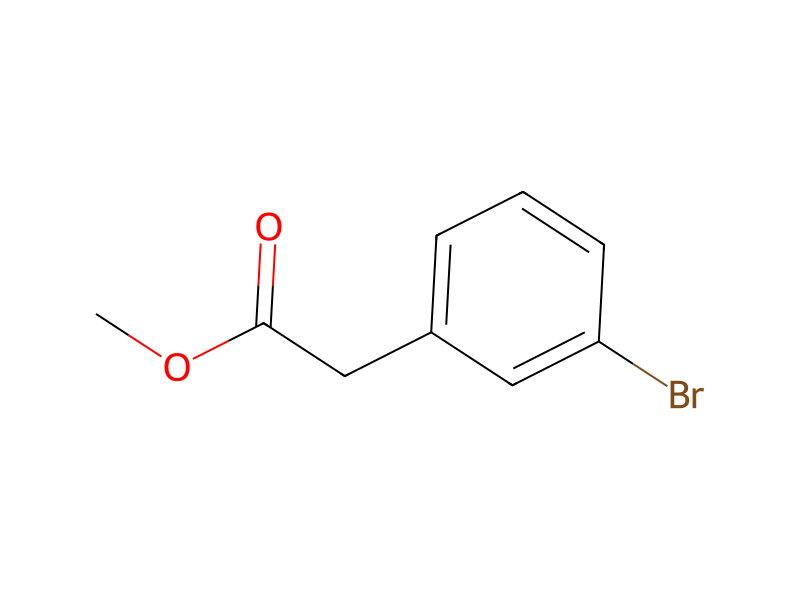
C[O-].C([Sn+](CCCC)CCCC)CCC.[CH3:16][O:17][C:18](=[O:27])[CH2:19][C:20]1[CH:25]=[CH:24][CH:23]=[C:22](Br)[CH:21]=1.C([O:31][C:32]([CH3:34])=[CH2:33])(=O)C.C1(C)C=CC=CC=1P(C1C=CC=CC=1C)C1C=CC=CC=1C>C1(C)C=CC=CC=1.C(OCC)(=O)C.[F-].[K+].C([O-])(=O)C.[Pd+2].C([O-])(=O)C>[CH3:16][O:17][C:18](=[O:27])[CH2:19][C:20]1[CH:25]=[CH:24][CH:23]=[C:22]([CH2:33][C:32](=[O:31])[CH3:34])[CH:21]=1Tributyltin methoxide (28.3 ml, 98.0 mmol), methyl-(3-bromophenyl)acetate (Preparation 44) (15.0 g, 65.0 mmol), isopropenyl acetate (10.8 ml, 98.0 mmol), palladium(II)acetate (750 mg, 3.30 mmol) and tri-ortho-tolylphosphine (2.00 g, 6.5 mmol) were stirred together in toluene (75 ml) at 100° C. under nitrogen for 5 hours. After cooling the reaction was diluted with ethyl acetate (150 ml) and 4M aqueous potassium fluoride solution (90 ml) and stirred for 15 minutes. The mixture was filtered through arbocel and the organic phase separated and reduced in vacuo. The residue was purified by flash column chromatography silica gel eluting with a solvent gradient of diethyl ether:pentane (0:100 to 25:75, by volume) changing to dichloromethane to give the title compound as a pale yellow oil (12.6 g).