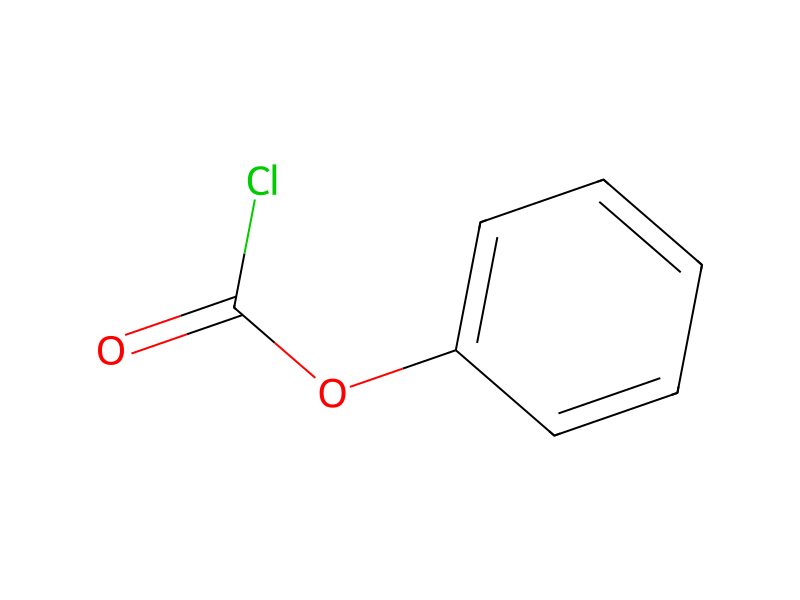
[F:1][C:2]([C:5]1[CH:9]=[C:8]([NH2:10])[O:7][N:6]=1)([CH3:4])[CH3:3].C([O-])([O-])=O.[K+].[K+].[C:17](Cl)(=[O:25])[O:18][C:19]1[CH:24]=[CH:23][CH:22]=[CH:21][CH:20]=1.O>C1COCC1>[F:1][C:2]([C:5]1[CH:9]=[C:8]([NH:10][C:17](=[O:25])[O:18][C:19]2[CH:24]=[CH:23][CH:22]=[CH:21][CH:20]=2)[O:7][N:6]=1)([CH3:4])[CH3:3]To a mixture of 3-(2-fluoropropan-2-yl)isoxazol-5-amine (4.32 g, 0.03 mol) and K2CO3 (8.28 g, 0.06 mol) in THF (100 mL) at 0° C. was added dropwise a solution of phenyl carbonochloridate (6 mL, 0.045 mol) in THF (50 mL). The mixture was stirred at 0° C. for 1 h, then at 40° C. for 20 h. Analysis by LC-MS and TLC indicated that the starting material was almost completely consumed and a new product had formed. The mixture was poured into water (150 mL) and the resulting mixture was extracted with EtOAc (100 mL). The organic layer was dried over Na2SO4 and concentrated under reduced pressure. The residue was purified by silica gel chromatography eluting with 0-4% EtOAc in petroleum ether to afford phenyl 3-(2-fluoropropan-2-yl)isoxazol-5-ylcarbamate as a white solid (6 g, 76%).
Wird geladen…