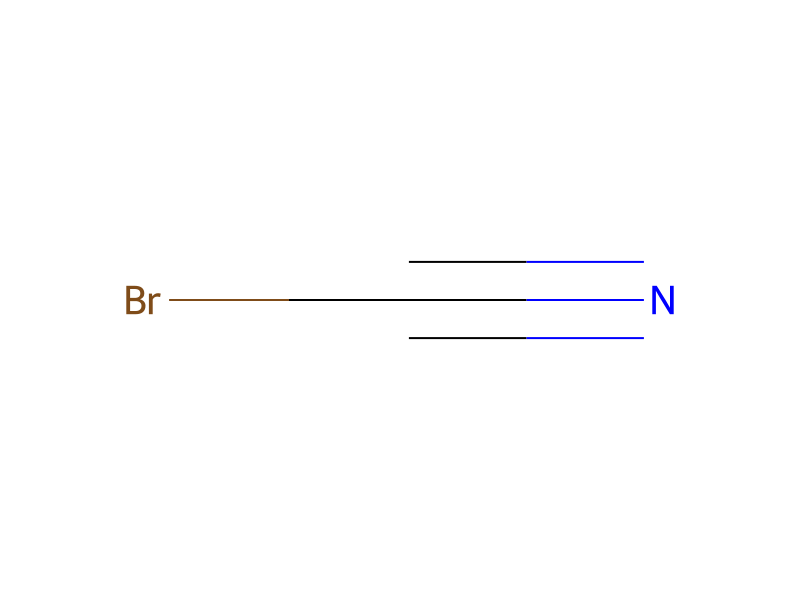
[NH2:1][C:2]1([CH2:19][CH2:20][OH:21])[C:15]2[CH:14]=[C:13]([Cl:16])[N:12]=[C:11]([F:17])[C:10]=2[O:9][C:8]2[C:3]1=[CH:4][C:5]([Br:18])=[CH:6][CH:7]=2.C([O-])(=O)C.[Na+].[N:27]#[C:28]Br>CCO>[Br:18][C:5]1[CH:4]=[C:3]2[C:2]3([CH2:19][CH2:20][O:21][C:28]([NH2:27])=[N:1]3)[C:15]3[CH:14]=[C:13]([Cl:16])[N:12]=[C:11]([F:17])[C:10]=3[O:9][C:8]2=[CH:7][CH:6]=1To a solution of 2-(5-amino-7-bromo-3-chloro-1-fluoro-5H-chromeno[2,3-c]pyridin-5-yl)ethanol (13 g, 34.8 mmol) in EtOH (50 mL) was added sodium acetate (5.71 g, 69.6 mmol) followed by the dropwise addition of cyanogen bromide (3.0M solution in DCM; 13.92 ml, 41.8 mmol). The resulting mixture was stirred at RT for 5 days. The reaction mixture was concentrated under reduced pressure, washed with water and extracted with DCM. The combined organic layers were dried over Na2SO4, concentrated under reduced pressure and azeotropically dried with toluene. The obtained residue was dissolved in DCM and TFA (40 mL) was added to the solution. The resulting mixture was stirred at RT for 30 min. The mixture was carefully quenched with aqueous, saturated NaHCO3 solution and extracted with DCM. The combined organics were dried over Na2SO4 and concentrated under reduced pressure. The obtained residue was purified by chromatography (0-3% MeOH/DCM) to afford 7-bromo-3-chloro-1-fluoro-5′,6′-dihydrospiro[chromeno[2,3-c]pyridine-5,4′-[1,3]oxazin]-2′-amine (6.2 g, 15.55 mmol, 44.7% yield) as a light yellow solid.