Reaktionsgleichung

F[C:2]1[CH:3]=[C:4]2[C:9](=O)OC(=O)[C:5]2=[CH:11][C:12]=1F.[F:14][C:15]1[CH:16]=[C:17]([C:25]([OH:27])=[O:26])[C:18](=[CH:22][C:23]=1[F:24])C(O)=O.[CH3:28][C:29]([N:31](C)C)=O>CN1CCCC1=O>[N:31]1[C:5]2[C:4](=[CH:3][CH:2]=[CH:12][CH:11]=2)[CH:9]=[CH:28][CH:29]=1.[F:14][C:15]1[CH:16]=[C:17]([CH:18]=[CH:22][C:23]=1[F:24])[C:25]([OH:27])=[O:26]Komponenten
6
Edukt 3


Produkt 2
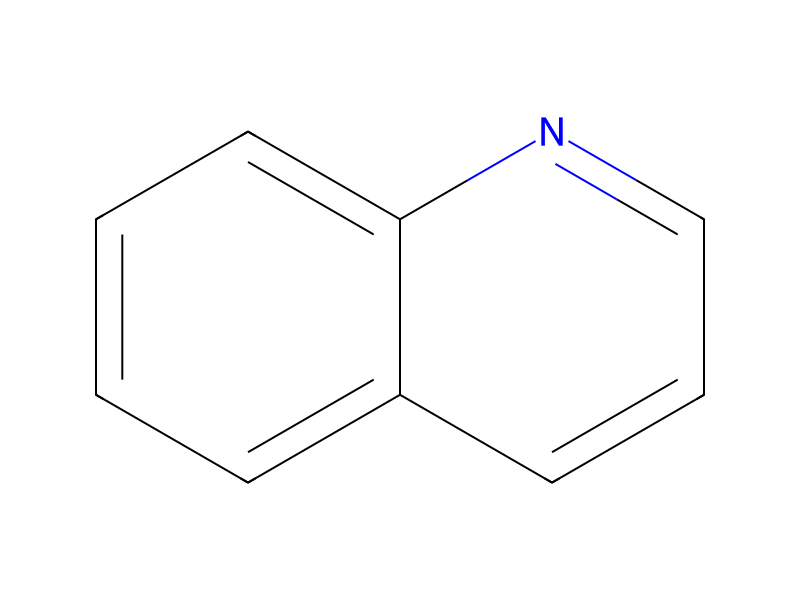

Reagenzien, Katalysatoren, Lösungsmittel 1

Versuchsvorschrift
Surprisingly, we have found that 4,5-difluorophthalic anhydride and 4,5-difluorophthalic acid may be selectively decarboxylated in N-methyl-pyrrolidone, dimethyl acetamide or quinoline to yield 3,4-difluorobenzoic acid.
Quellen und Nachweise
- ORD-Eintrag
- ord-d666b3202b4042d58b36b042b1da0a9d
- Quelldatensatz
- uspto-grants-1991_02
- Patentnummer
- US04994606
Verknüpfte Notizen
Wird geladen…