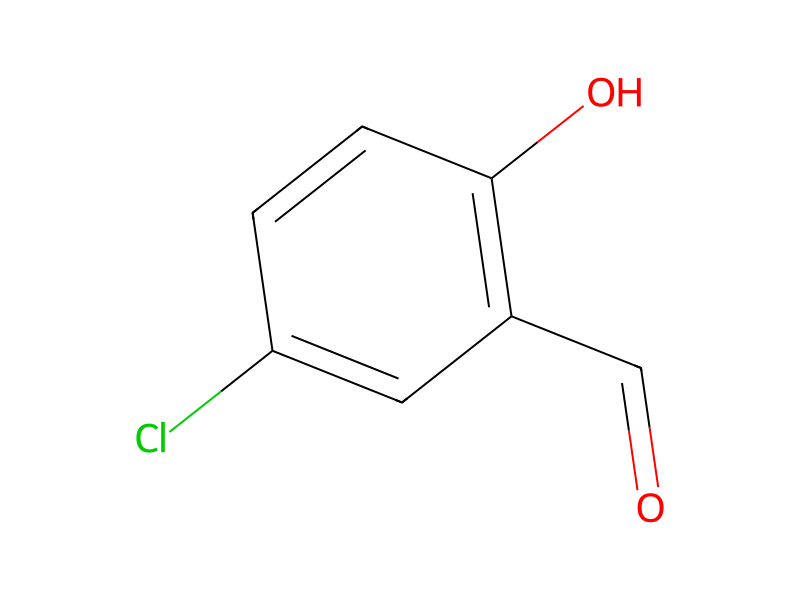
Scheme VI depicts a method for preparing aldehyde 15. For example, a mixture of an aldehyde of formula 14 wherein R3 and R5 are hydrogen, i.e., 5-chloro,2-hydroxy benzaldehyde (0.10 g, 0.64 mmol) and N-iodosuccinimide (0.16 g, 0.71 mmol) in acetic acid (2 mL) was heated to 95° C. for 2 h. Another portion of N-iodosuccinimide (0.020 g, 0.09 mmol) was added and heating was continued for 1 h. The mixture was diluted with ethyl acetate, washed in succession with 5% aqueous Na2S2O3, saturated NaCl, and dried (Na2SO4). The solvent was removed under reduced pressure, and 5-chloro-3-iodo-benzaldehyde was obtained as a yellow crystalline solid (0.17 g, 94%)