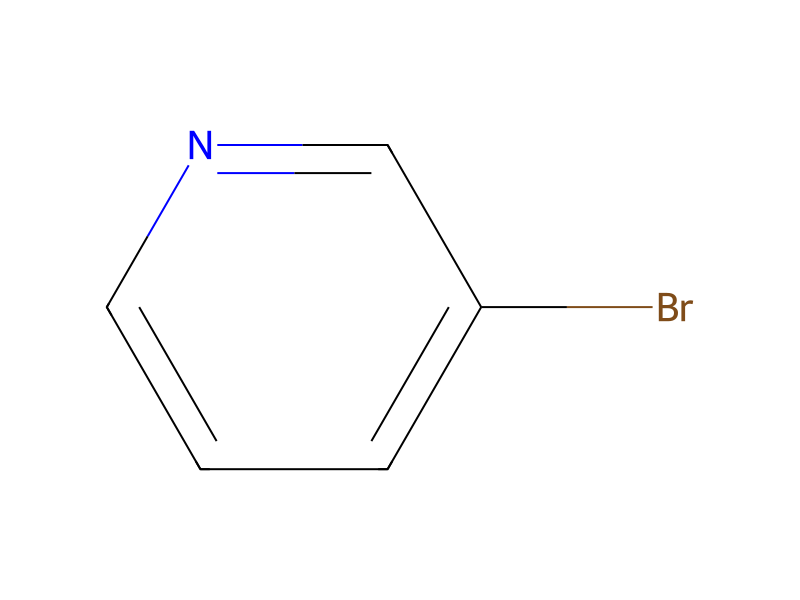
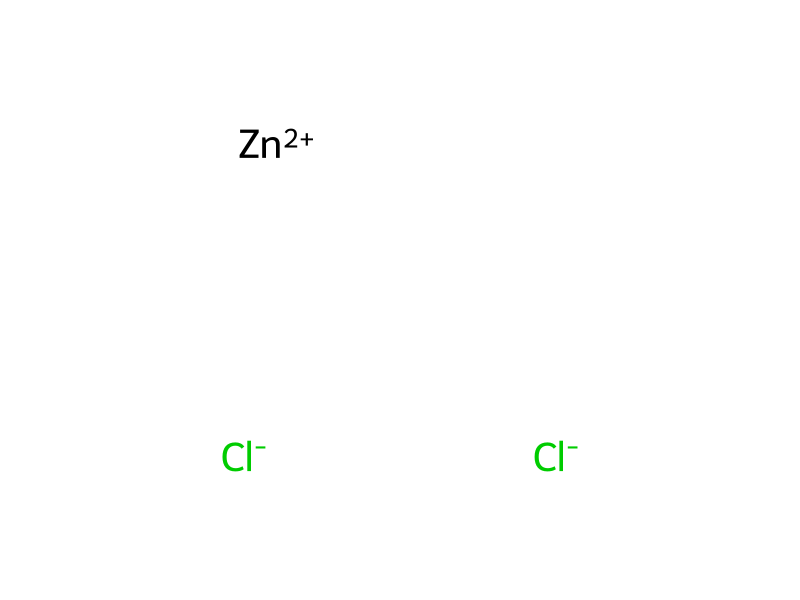
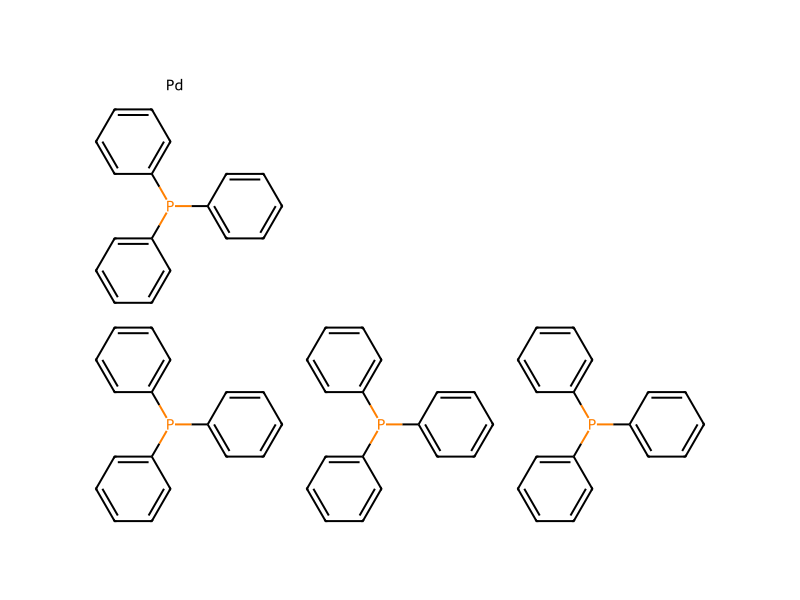
C([Li])(C)(C)C.Br[C:7]1[CH:8]=[C:9]2[C:14](=[C:15]([CH3:17])[CH:16]=1)[N:13]=[C:12]([O:18][CH3:19])[CH:11]=[CH:10]2.Br[C:21]1[CH:22]=[N:23][CH:24]=[CH:25][CH:26]=1>CCCCC.C1COCC1.[Cl-].[Zn+2].[Cl-].C1C=CC(P(C2C=CC=CC=2)C2C=CC=CC=2)=CC=1.C1C=CC(P(C2C=CC=CC=2)C2C=CC=CC=2)=CC=1.C1C=CC(P(C2C=CC=CC=2)C2C=CC=CC=2)=CC=1.C1C=CC(P(C2C=CC=CC=2)C2C=CC=CC=2)=CC=1.[Pd]>[CH3:19][O:18][C:12]1[CH:11]=[CH:10][C:9]2[C:14](=[C:15]([CH3:17])[CH:16]=[C:7]([C:21]3[CH:22]=[N:23][CH:24]=[CH:25][CH:26]=3)[CH:8]=2)[N:13]=1t-Butyl lithium (8.0 cm3 of a 2.0M solution in pentane) was added dropwise to a stirred solution of 6-bromo-2-methoxy-8 -methylquinoline (2.0 g) in THF (20 cm3) at -70° under nitrogen. After 10 minutes the mixtures was treated with a solution of anhydrous zinc chloride (1.09 g) in THF (10 cm3) and the resulting solution was warmed to 0°. A solution containing 3-bromopyridine (1.26 g) and tetrakis(triphenylphosphine) palladium(O) (0.05 g) in THF (10 cm3) was then added and the mixture was heated under reflux for 2 hours. The reaction mixture was cooled, concentrated in vacuo, treated with chloroform (100 cm3) and a solution of ethylenediaminetetraacetic acid disodium salt (6 g) in water (100 cm3). The aqueous phase was extracted further with chloroform (3×50 cm3) and the combined and dried (MgSO4) extracts were concentrated in vacuo to give an oil. This oil was chromatographed on silica (Merck "MK 60.9385") eluting with ethyl acetate. The fractions containing the product were combined and evaporated to afford a solid which was recrystallised from hexane to afford 2-methoxy-8-methyl-6-(3-pyridyl)quinoline, m.p. 117°-118.5°, (1.12 g).