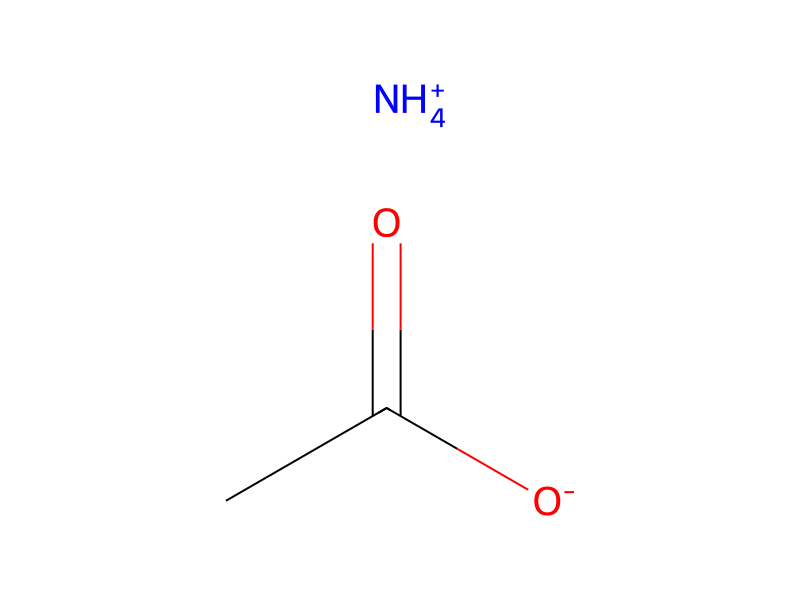
[I-].[OH:2][C:3]1[CH:17]=[CH:16][CH:15]=[CH:14][C:4]=1[C:5](=O)[CH2:6][N+]1C=CC=CC=1.[OH:18][C:19]1[CH:24]=[CH:23][CH:22]=[CH:21][C:20]=1[C:25](=O)[CH:26]=[CH:27][C:28]1[CH:33]=[CH:32][C:31]([N:34]([CH3:36])[CH3:35])=[CH:30][CH:29]=1.C([O-])(=O)C.[NH4+:42].C(O)(=O)C>O>[OH:18][C:19]1[CH:24]=[CH:23][CH:22]=[CH:21][C:20]=1[C:25]1[CH:26]=[C:27]([C:28]2[CH:33]=[CH:32][C:31]([N:34]([CH3:36])[CH3:35])=[CH:30][CH:29]=2)[CH:6]=[C:5]([C:4]2[CH:14]=[CH:15][CH:16]=[CH:17][C:3]=2[OH:2])[N:42]=11.63 g (5 mmol) of 2-hydroxyphenacyl-pyridinium iodide, 0.53 g (2 mmol) of 1-(2-hydroxyphenyl)-3-(4-dimethylaminophenyl)-2-propen-1-one and 4 g of ammonium acetate were added to 4 ml of acetic acid, and the mixture was subjected to refluxing under heating for 5 hours. After being cooled to room temperature, the reaction mixture was poured to 50 ml of water and extracted two times with 30 ml each of chloroform. The chloroform was distilled off under a reduced pressure, and the residue was subjected to silica gel column chromatography with chloroform as the eluent to obtain 0.61 g (yield: 79%) of 2,6-bis(2-hydroxyphenyl)-4-(4-dimethylaminophenyl)pyridine. (Incidentally in case where the reaction residue was subjected to re-crystallization from 30 ml of ethanol, the 2,6-bisphenolpyridine product was recovered at a yield of 64%.)