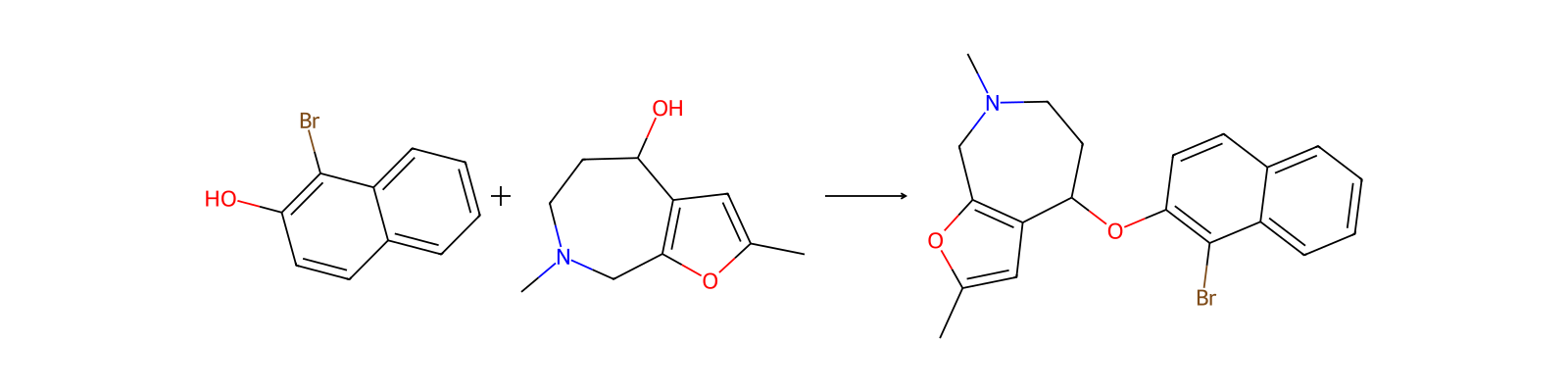
1-Bromo-2-naphthol
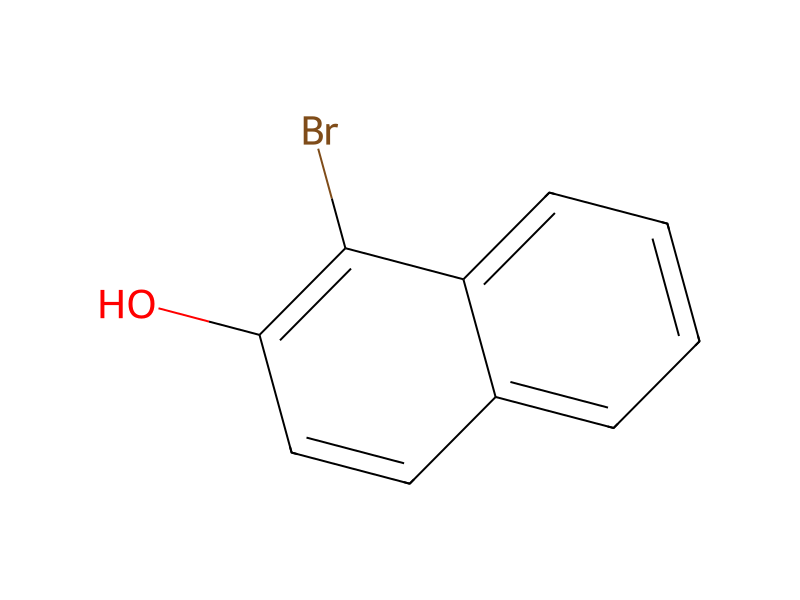
Basic information
- CAS
573-97-7- Standard SMILES
Oc1ccc2ccccc2c1Br- InChIKey
FQJZPYXGPYJJIH-UHFFFAOYSA-N- Molecular formula
- C10H7BrO
- Average molar mass
- 223.07 g/mol
- Monoisotopic mass
- 221.96802694
Names & identifiers
- Preferred name
- 1-Bromo-2-naphthol
- IUPAC
- 1-bromonaphthalen-2-ol
- English name
- 1-Bromo-2-naphthol
- Molecular formula
- C10H7BrO
- Molecular weight
- 223.07
Names & synonyms
1-Bromo-2-naphthol573-97-72-Naphthalenol, 1-bromo-1-Bromo-2-naphthalenolDistheminWormin1-Brom-2-naphthol1-Bromo-2-hydroxynaphthalene1-Bromo-.beta.-naphthol2-NAPHTHOL, 1-BROMO-1-Brom-2-naphthol [German]EINECS 209-363-1
Show more names
AKOS BBB/376Bromonaphthol1-bromo-2-naphtho1-Bromo-b-naphthol1-Bromo-2-Naphthol98%
VKE7L55PP9NSC 60275BRN 2044001.alpha.-Bromo-.beta.-naphtholDTXSID20205919NSC-602754-06-00-04301 (Beilstein Handbook Reference)1Brom2naphthol
Database identifiers
- CAS
573-97-7- PubChem CID
- 11316
- DTXSID
DTXSID20205919- ChEMBL
CHEMBL1414294- UNII
- VKE7L55PP9
- EC Number
- 209-363-1
- Nikkaji
- J94.980I
Properties
Computed structural properties
- XLogP
- 3
- Topological polar surface area
- 20.2 Ų
- Hydrogen bond donors
- 1
- Hydrogen bond acceptors
- 1
- Rotatable bonds
- 0
- Heavy atoms
- 12
- Formal charge
- 0
- Complexity
- 160
Experimental & physicochemical properties
Chemical ClassesOther Classes -> Naphthols
SpringerMaterials Properties13C nuclear magnetic resonance spectrum
Physical DescriptionLight red powder; [Alfa Aesar MSDS]
Physicochemical properties
- Melting point
- 78 · 78-81 °C (lit.)
- Boiling point
- 130 °C · 130°C
- Density
- 1.4412 · 1.4412 (rough estimate)
- refractive index
- 1.57 · 1.5700 (estimate)
- storage temp.
- Inert atmosphere,Room Temperature
- pka
- 7.28 · 7.28±0.50(Predicted)
- form
- Crystalline Powder
- color
- Off-white to beige or brown-purple
- BRN
- 2044001 · 2044001
- InChI
- InChI=1S/C10H7BrO/c11-10-8-4-2-1-3-7(8)5-6-9(10)12/h1-6,12H
Safety & regulation
Safety information is for reference only and does not replace the supplier’s Safety Data Sheet (SDS), applicable regulations, or professional assessment.
GHS classification
GHS Classification
Warning
H302 (97.9%): Harmful if swallowed [Warning Acute toxicity, oral]
P261, P264, P264+P265, P270, P271, P280, P301+P317, P302+P352, P304+P340, P305+P351+P338, P319, P321, P330, P332+P317, P337+P317, P362+P364, P403+P233, P405, and P501 (click each P-code to see the statement)
Aggregated GHS information provided per 47 reports by companies from 7 notifications to the ECHA C&L Inventory. Each notification may be associated with multiple companies.
Hazard information
Regulatory Information
Chemical: 2-Naphthalenol, 1-bromo-
1-Bromo-2-naphthol: Does not have an individual approval but may be used under an appropriate group standard
Hazards SummaryA skin and strong eye irritant; Harmful by ingestion; [Alfa Aesar MSDS] See 2-Naphthol.
Hazard Classes and CategoriesAcute Tox. 4 (97.9%)
Safety data
- PPE
- dust mask type N95 (US), Eyeshields, Gloves
- wgk
- 3
- rtecs
- QL3361000
- hs_code
- 29081000
- risk_code
- 36/37/38
- Signal word
- Warning
- Symbol(GHS)
- GHS07
- hazard_code
- Xi
- safety_code
- 26-37/39
- hazard_class
- IRRITANT
Chemistry & industry
Applications
Uses1-Bromo-2-naphthol is a dye intermediate used in organic synthesis. This product is also an anthelmintic used for hookworm infections.
Upstream & downstream products
Upstream raw materials
Downstream products
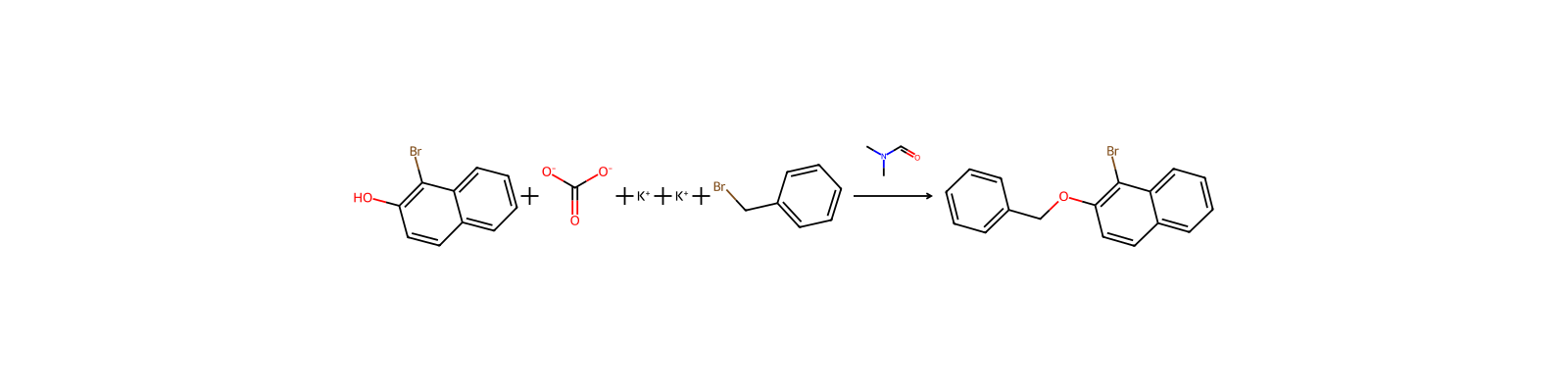
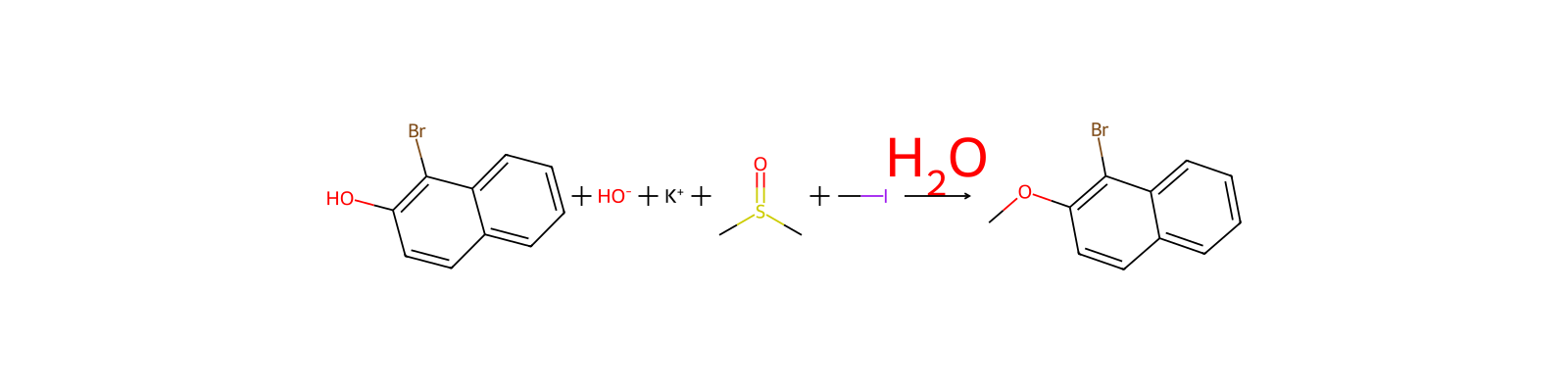
Related reactions
19 records

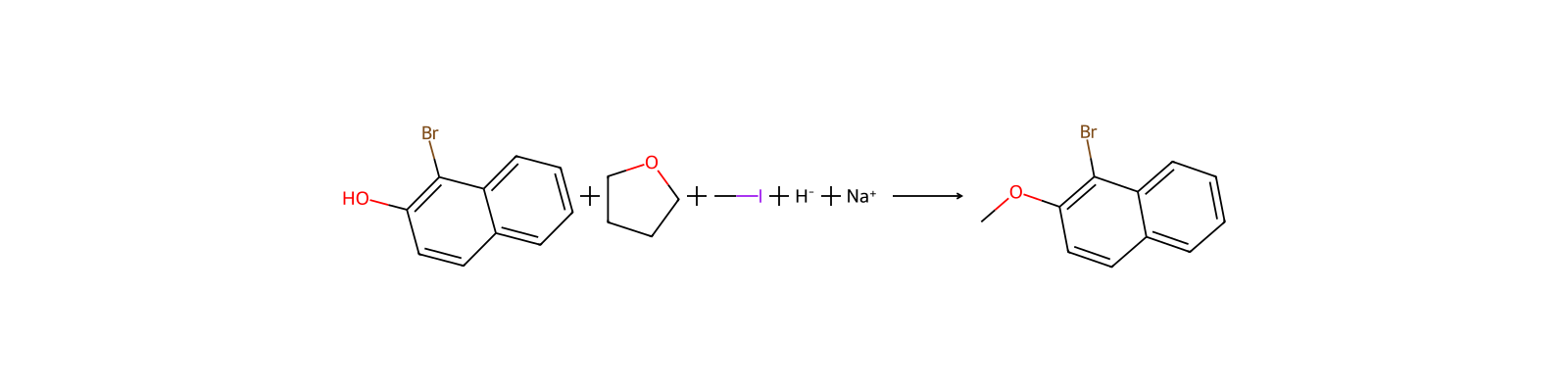
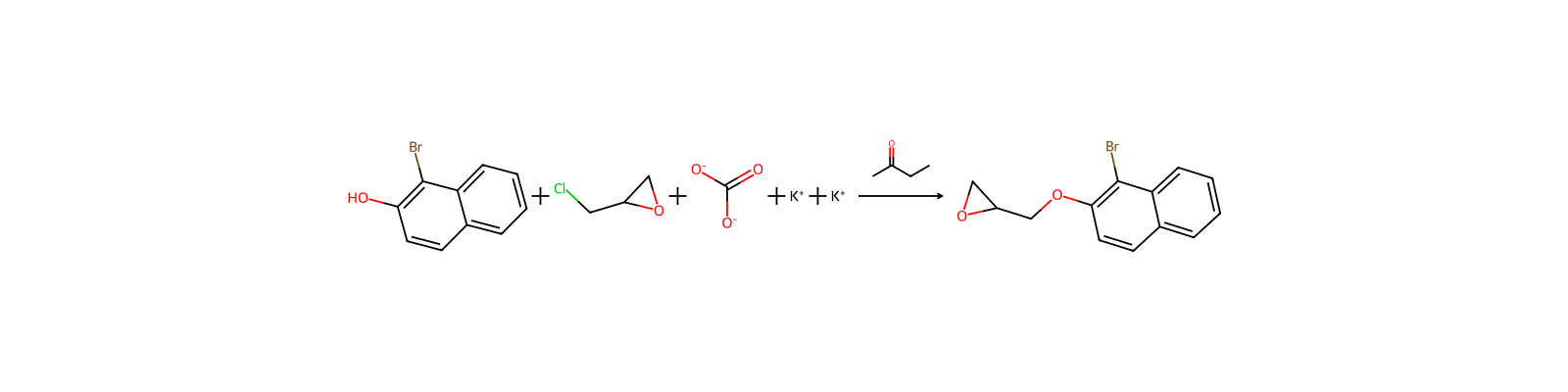
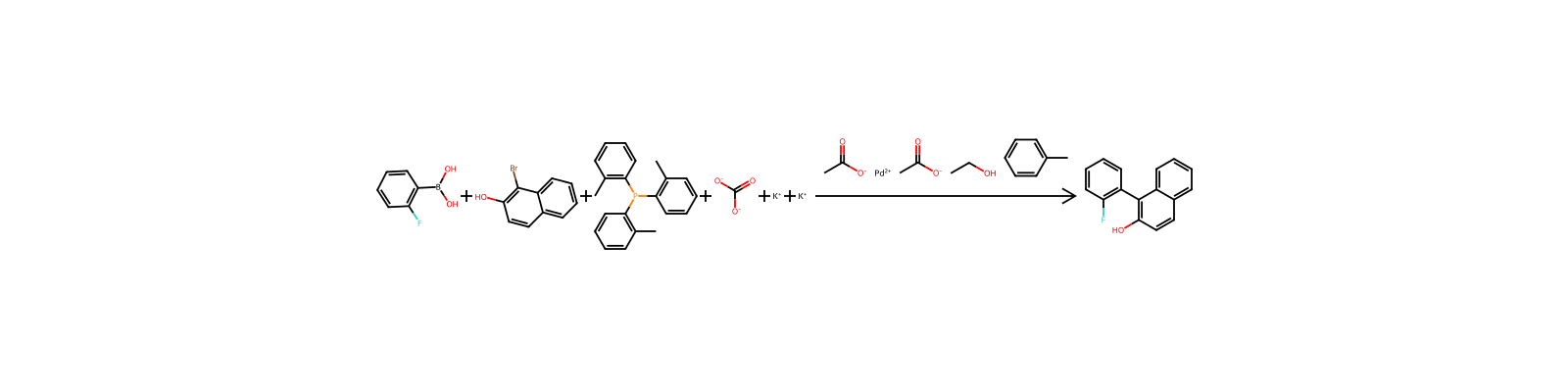

Compound notes
Loading…