

Basic information
- CAS
4618-18-2- Standard SMILES
OC[C@H]1O[C@@H](O[C@@H]2[C@@H](CO)O[C@](O)(CO)[C@H]2O)[C@H](O)[C@@H](O)[C@H]1O- InChIKey
JCQLYHFGKNRPGE-FCVZTGTOSA-N- Molecular formula
- C12H22O11
- Average molar mass
- 342.3 g/mol
- Monoisotopic mass
- 342.11621152
Overview
Lactulose is a synthetic galactosylfructose disaccharide used in the treatment of constipation and hepatic encephalopathy. It has a role as a laxative and a gastrointestinal drug.
Names & identifiers
- Preferred name
- Lactulose
- IUPAC
- (2S,3R,4S,5R,6R)-2-[(2R,3S,4S,5R)-4,5-dihydroxy-2,5-bis(hydroxymethyl)oxolan-3-yl]oxy-6-(hydroxymethyl)oxane-3,4,5-triol
- English name
- Lactulose
- Molecular formula
- C12H22O11
- Molecular weight
- 342.3
Names & synonyms
lactuloseD-Lactulose4618-18-2BifiteralCephulacChronulacConstilacLactulosaAcilacCholacConstuloseLactulosum
Show more names
Lactulose Concentrateruguotang[UL-13C12]lactulose4-O-hexopyranosylhex-2-ulofuranoseLactulose for peak identification CRS(3S,4R,5R)-1,3,5,6-tetrahydroxy-4-(((2S,3R,4S,5R,6R)-3,4,5-trihydroxy-6-(hydroxyMethyl)tetrahydro-2H-pyran-2-yl)oxy)hexan-2-one
EnuloseGenerlacHeptalacLaxilosePortalacKristaloseLattulosioDTXSID5045833
Database identifiers
- CAS
4618-18-2、58166-24-8、58166-25-9- PubChem CID
- 11333
- DTXSID
DTXSID5045833- ChEMBL
CHEMBL296306- ChEBI
CHEBI:6359- UNII
- 9XH2P2N8EP
- EC Number
- 225-027-7
- Nikkaji
- J3.412F
Properties
Computed structural properties
- XLogP
- -4.3
- Topological polar surface area
- 190 Ų
- Hydrogen bond donors
- 8
- Hydrogen bond acceptors
- 11
- Rotatable bonds
- 5
- Heavy atoms
- 23
- Formal charge
- 0
- Complexity
- 395
Experimental & physicochemical properties
DrugsPharmaceuticals -> Listed in ZINC15
Cosmetics
Cosmetic ingredients (Lactulose) -> CIR (Cosmetic Ingredient Review)
Skin conditioning; Humectant
LogP-4.3
Solubility
Soluble in cold water, hot water. Solubility in water: 76.4% @ 30 deg. C
764.0 mg/mL
Human Drugs
Breast Feeding; Lactation; Milk, Human; Gastrointestinal Agents; Laxatives
FDA approved drugs -> Active ingredient
FDA approved drugs -> Active ingredient
Medicines for other common symptoms in palliative care
Melting Point169 °C
Physical DescriptionSolid
Collision Cross Section
164.63 Ų [M+H-H2O]+ [CCS Type: TW; Method: calibrated with polyalanine and drug standards]
180.1 Ų [M+Na]+ [CCS Type: DT; Method: stepped-field]
169.2 Ų [M+H]+ [CCS Type: TW; Method: calibrated with polyalanine and drug standards]
179 Ų [M+Na]+
Physicochemical properties
- Melting point
- 169 °C · ~169 °C (dec.)
- alpha
- -47 · -47 º (C=5, H2O, 12HR)
- Boiling point
- 397.76 °C · 397.76°C (rough estimate)
- Density
- 1 · 1,32g/cm
- refractive index
- 1 · 1,45-1,47
- storage temp.
- Refrigerator
- solubility
- Freely soluble in water, sparingly soluble in methanol, practically insoluble in toluene.
- form
- Powder
- pka
- 11.67 · 11.67±0.20(Predicted)
- color
- White to almost white
- optical activity
- 20 · [α]20/D 48±2°, 24 hr, c = 1% in H2O
- Water Solubility
- 76.4 G/100 · 76.4 G/100 ML (30 ºC)
- Merck
- 5346 · 5346
- BRN
- 93773 · 93773
- BCS Class
- 2 · 2
- Cosmetics Ingredients Functions
- HUMECTANTSKIN CONDITIONING
- Cosmetic Ingredient Review (CIR)
- Lactulose (4618-18-2)
- InChI
- 1S/C12H22O11/c13-1-4-6(16)7(17)8(18)11(21-4)22-9-5(2-14)23-12(20,3-15)10(9)19/h4-11,13-20H,1-3H2/t4-,5-,6+,7+,8-,9-,10+,11+,12+/m1/s1
- InChIKey
- PFCRQPBOOFTZGQ-VZXVHDRGSA-N
- SMILES
- OC[C@H]1O[C@@H](O[C@@H]2[C@@H](CO)O[C@@](O)(CO)[C@H]2O)[C@H](O)[C@@H](O)[C@H]1O
- LogP
- -2.885 · -2.885 (est)
- CAS DataBase Reference
- 4618 · 4618-18-2(CAS DataBase Reference)
- EWG's Food Scores
- 1 · 1
- FDA UNII
- 9 U7D5QH5AE · 9U7D5QH5AE
- ATC code
- 6 AD11,A06AD61 · A06AD11,A06AD61
- EPA Substance Registry System
- 4 · D-Fructose, 4-O-.beta.-D-galactopyranosyl- (4618-18-2)
- UNSPSC Code
- 41116107 · 41116107
- NACRES
- 79 · NA.79
- CAS Number Unlabeled
- 4618 · 4618-18-2
- Symbol(GHS)
- 7 · GHS07
- Signal word
- Warning
- Hazard statements
- 315 · H315-H319-H335
- Precautionary statements
- 271 · P271-P280
- PPE
- 95 · Eyeshields, Gloves, type N95 (US)
- Safety Statements
- 24 · 24/25
- WGK Germany
- 2 · 2
- RTECS
- 6965000 · LS6965000
- TSCA
- TSCA listed
- HS Code
- 29400090 · 29400090
- Storage Class
- 11 · 11 - Combustible Solids
Safety & regulation
GHS classification
GHS Classification
This chemical does not meet GHS hazard criteria for 100% (9 of 9) of all reports.
Not Classified
Aggregated GHS information provided per 9 reports by companies from 2 notifications to the ECHA C&L Inventory.
Hazard information
Regulatory InformationLactulose: Does not have an individual approval but may be used under an appropriate group standard
Hazard Classes and CategoriesNot Classified
Toxicology
Adverse Effects
Because lactulose has insignificant absorption by the gut and undergoes rapid excretion by the kidneys, its effects remain localized to the gut microenvironment. Side effects would include increased bowel sounds (borborygmi), increased flatus, and a sensation of bloating. Since lactulose's intended use is to soften the stool quantity and increase the stool amount, its most significant side effect remains diarrhea. The diarrhea is dose-dependent and decreases in severity with a reduction in the dose of lactulose.
Toxicity Summary
Safe in the present practices of use and concentration. Ingredient, concentration, and use information are available in documents discoverable at https://cir-reports.cir-safety.org
Clinically, documentation on lactulose toxicity is lacking. Specific studies using rats inoculated with various concentrations of lactulose syrup ranging from 0.5% to 5% revealed no evidence of toxicity. However, there have been study results indicating the ability of lactulose to induce lithium toxicity in psychiatric patients. This effect is more broadly attributable to lactulose's ability to induce dehydration through its osmotic action, depletion of total body volume, and the resultant poor renal excretion of lithium. Although rare, documented allergic reactions to lactulose have been recorded in patients with milk allergies.
Drug Induced Liver Injury
Drug Induced Liver Injury Rank (DILIrank 2.0)
Lactulose
vNo-DILI-concern
0
No match
DOI:10.1016/j.drudis.2016.02.015
Effects During Pregnancy and Lactation◉ Summary of Use during Lactation
Safety data
- PPE
- Eyeshields, Gloves, type N95 (US)
- wgk
- 2
- tsca
- TSCA listed
- rtecs
- LS6965000
- hs_code
- 29400090
- Signal word
- Warning
- Symbol(GHS)
- GHS07
- safety_code
- 24/25
- Storage Class
- 11 - Combustible Solids
- Hazard statements
- H315-H319-H335
- Precautionary statements
- P271-P280
Chemistry & industry
Pharmacology
ATC Code
A06AD11
A - Alimentary tract and metabolism
QA - Alimentary tract and metabolism
A06AD11
Protein BindingNegligible amounts of lactulose - metabolized or non-metabolized - are absorbed into the body.. Regardless, data regarding the protein binding of lactulose is not readily available or accessible.
Pharmacodynamics
Lactulose formulations are most commonly administered via the oral route or the rectal route. Consequently, because the substance experiences minimal absorption by the gut it typically remains localized in the gastrointestinal tract environment and ultimately demonstrates almost all of its pharmacologic effects within the gut. In particular, as lactulose elicits its laxative effects in enhancing stool amounts and softening stool, such biochemical and physiologic activities can cause increased bowel sounds (borborygmi), a feeling of bloatedness, belching, frequent flatus, and diarrhea.
Mechanism of Action
Lactulose is a synthetic disaccharide derivative of lactose that consists of one molecule of galactose and one molecule of fructose. Saccharolytic bacteria present in the large intestine subsequently break the substance down into organic acids like lactic acid and small amounts of formic and acetic acids. Such resultant volatile fatty acid metabolites, in combination with hydrogen and methane that is also generated consequently enhance intraluminal gas formation, peristaltic gut motility, and elicit an osmotic effect that facilitates an increase in the water content of stool as well as associated stool softening. All of these actions ultimately assist in facilitating and increasing the frequency of bowel movements in patients experiencing constipation, although it may take 24 to 48 hours after using the medication for this laxative effect to become evident. At the same time, the formation of such acids via the metabolism of lactulose by colonic bacteria also acidifies the contents of the colon, thereby contributing to the treatment of portal-systemic encephalopathy (PSE). As one of the principal features of PSE involves the accumulation of nitrogenous waste products like ammonia in the systemic circulation, a state in which the colonic contents become more acidic than blood allows ammonia in the circulation to diffuse into the colon.. Furthermore, ammonia that diffuses into the acidic colon is ionized to ammonium ions that are incapable of being absorbed back into the blood. These effects, combined with the laxative action of lactulose facilitates the excretion of excess ammonia. And finally, it is also believed that an acidic colonic environment results in the elimination of urease-producing bacteria that contribute to the formation of ammonia while surviving colonic bacteria use up any trapped ammonia in the colon as a source of nitrogen for protein synthesis.
Biological Half-LifeThe data regarding the half-life of lactulose is not readily available or accessible.
Metabolism/Metabolites
Lactulose is essentially only metabolized in the colon by saccharolytic bacteria that are present there. In particular, the substance is broken down into lactic acid and small amounts of acetic and formic acid. Specific examples of bacteria that normally inhabit the large intestine that are capable of lactulose metabolism include Lactobacilli, Bacteroides, Escherichia coli, and Clostridia.
FDA Pharmacological Classification
9U7D5QH5AE
LACTULOSE
Established Pharmacologic Class [EPC] - Osmotic Laxative
Mechanisms of Action [MoA] - Osmotic Activity
Mechanisms of Action [MoA] - Acidifying Activity
Physiologic Effects [PE] - Stimulation Large Intestine Fluid/Electrolyte Secretion
MeSH Pharmacological ClassificationDrugs used for their effects on the gastrointestinal system, as to control gastric acidity, regulate gastrointestinal motility and water flow, and improve digestion.
Absorption, Distribution and Excretion
After administration by the oral route, less than 3% of the given dose of lactulose solution is absorbed by the small intestine. The remaining unabsorbed lactulose reaches the large intestine where it is metabolized - but even then, negligible quantities of unchanged lactulose or its metabolites are absorbed across the colon.
The renal excretion of any lactulose that manages to be absorbed into the circulation has been determined to be 3% or less and is generally complete within 24 hours. Any unabsorbed lactulose is largely excreted with stool.
Negligible amounts of lactulose - metabolized or non-metabolized - are absorbed into the body.. Most lactulose that is administered subsequently remains predominantly around the gastrointestinal tract area.
Negligible amounts of lactulose - metabolized or non-metabolized - are absorbed into the body.. Regardless, data regarding the clearance of lactulose is not readily available or accessible.
Tissue LocationsIntestine
Cellular LocationsCytoplasm
Uses & manufacturing
UsesCIR ingredient: Lactulose
Use ClassificationCosmetics -> Skin conditioning; Humectant
Applications
HistoryIn 1957 Peitele found lactulose is a bifidobacterium proliferation factor.In 1964, Hoffman found that only bifidobacteria, Lactobacillus, LD Streptococcus could make lactulose produce lactic acid and acetic acid. The metabolic process of lactulose bacteria was clarified for the first time. In 1966 Baicier found that use of lactulose can promote the growth of basophilic gram-positive bacteria lacking urease (escherichia coli etc..) and reduce ammonia production. It has been proved that lactulose has the effect of reducing blood ammonia and has been successfully used in the treatment of hepatic encephalopathy.1979 Nianmoleyou treated the viral hepatitis with lactulose and he found that lactulose has the effect of reducing plasma endotoxin. From 1980 to 1981, Leicier found limulus test agglutination reaction of lactulose inhibiting endotoxin in vitro, alleviating the liver injury of rats induced by D - amino galactose. He believed that lactulose has the effect of anti endotoxin activity and can be used in the treatment of liver and kidney syndrome.
UsesLactulose is is a synthetic, non-digestible sugar used in the treatment of chronic constipation; laxative.
Usespharmaceutical excipient
UsesA keto analogue of lactose.
Upstream & downstream products
Upstream raw materials
Suppliers100 total
国药集团化学试剂有限公司86-21-63210123 · [email protected]
上海阿拉丁生化科技股份有限公司400-6206333 13167063860 · [email protected]
合肥翰刚医药科技有限公司+8618062405514 · [email protected]
河北创海生物科技有限公司+86-86-13131129325 · [email protected]
上海如吉生物科技发展有限公司+86-21-65211385-8001 36031160 · [email protected]
Syntechem Co.,Ltd[email protected]
上海迈瑞尔生化科技有限公司4006356688 18621169109 · [email protected]
上海瀚鸿科技股份有限公司021-54306202 13764082696 · [email protected]
上海柯维化学技术有限公司021-64609169 18901607656 · [email protected]
上海诗丹德标准技术服务有限公司021-021-57127007-6622-6622 17621252073 · [email protected]
上海相辉医药科技有限公司13761987713 · [email protected]
上海景颜化工科技有限公司13817811078 · [email protected]
上海泰坦科技股份有限公司400-6009262 15618770481 · [email protected]
MedChemexpress LLC021-58955995 · [email protected]
武汉丰泰威远科技有限公司027-87465837 19945049750 · [email protected]
山东西亚化学有限公司13355009207 13355009207 · [email protected]
四川库利南科技有限公司400-1166-196 18981987031 · [email protected]
湖南汇百侍生物科技有限公司0731-85526065 13308475853 · [email protected]
斯百全化学(上海)有限公司021-021-021-67601398-809-809-809 15221380277 · [email protected]
上海源叶生物科技有限公司13636370518 · [email protected]
艾科试剂4008-755-333 18080918076 · [email protected]
赛默飞世尔科技(中国)有限公司800-810-5118 · [email protected]
TOKYO CHEMICAL INDUSTRY CO., LTD.03-36680489 · [email protected]
TCI Europe320-37350700 · [email protected]
深圳振强药物研发有限公司0755-66853366 13670046396 · [email protected]
南京生利德生物科技有限公司025-57798810 18652991625 · [email protected]
河南吉乾生物科技有限公司13676987627
湖北威德利化学试剂有限公司186-02735115 18602735115 · [email protected]
上海将来实业股份有限公司400-0066400 13621662912 · [email protected]
上海将来实业股份有限公司021-61552785 · [email protected]
上海麦克林生化科技股份有限公司15221275939 15221275939 · [email protected]
杭州杰恒化工有限公司0571-87396432 · [email protected]
上海兴鲁化工科技有限公司02120970332 · [email protected]
凯试(上海)科技有限公司021-50135380 · [email protected]
湖南欣贝莱生物医药有限公司19967306995 19967306995 · [email protected]
池州凯隆进出口贸易有限公司[email protected]
Sigma-Aldrich西格玛奥德里奇(上海)贸易有限公司021-61415566 800-8193336 · [email protected]
桦特昇生物科技(武汉)有限公司027-59207879 1972026995 18140587686 · [email protected]
TargetMol中国(陶术生物)021-021-33632979 15002134094 · [email protected]
湖北康恩化学有限公司180-64105258 18064105258
上海陶术生物科技股份有限公司+1-781-999-5354; +1-00000000000 · [email protected]
北京诺其雅盛生物科技有限公司4000-819-385 010-62329685 13718666987
九鼎化学(上海)科技有限公司4009209199 · [email protected]
杭州鼎燕化工有限公司0571-87157530-8003 18267553885 · [email protected]
西安天广源生物科技有限公司+86-029-86333380 +86-18829239519 · [email protected]
上海岚克医药科技发展有限公司0086-21-58956006
广州市齐云生物技术有限公司020-61288194 61288195 · [email protected]
江苏汉斯通药业有限公司[email protected]
Target molecule Corp.857-239-0968 · [email protected]
山东西亚化学有限公司4009903999 13395398332 · [email protected]
Additional notes
DefinitionChEBI: A synthetic galactosylfructose disaccharide used in the treatment of constipation and hepatic encephalopathy.
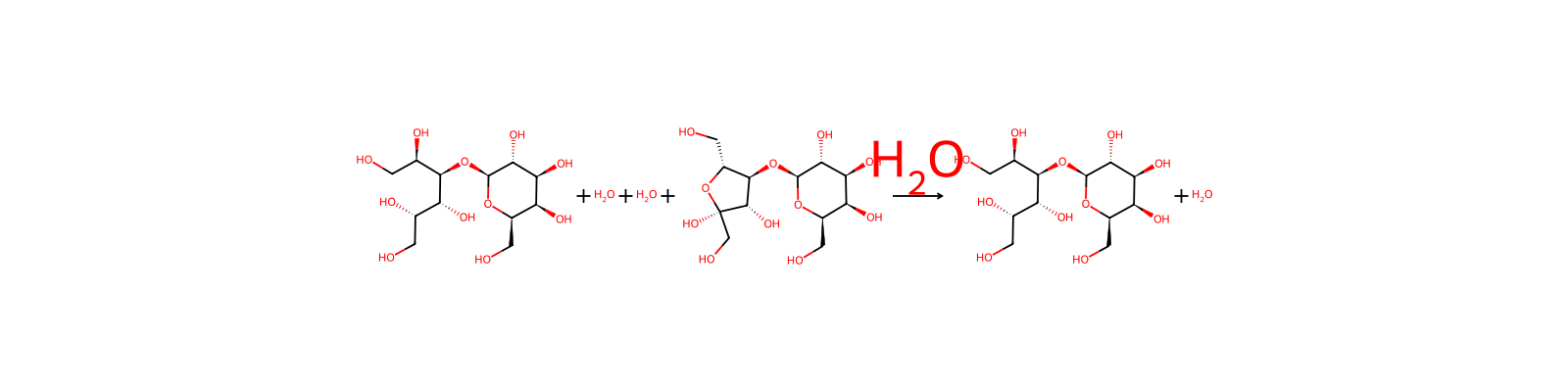
Related reactions
9 records


Compound notes
Loading…