
4-Bromobenzoic acid
Completing data — refresh the page later to see the latest
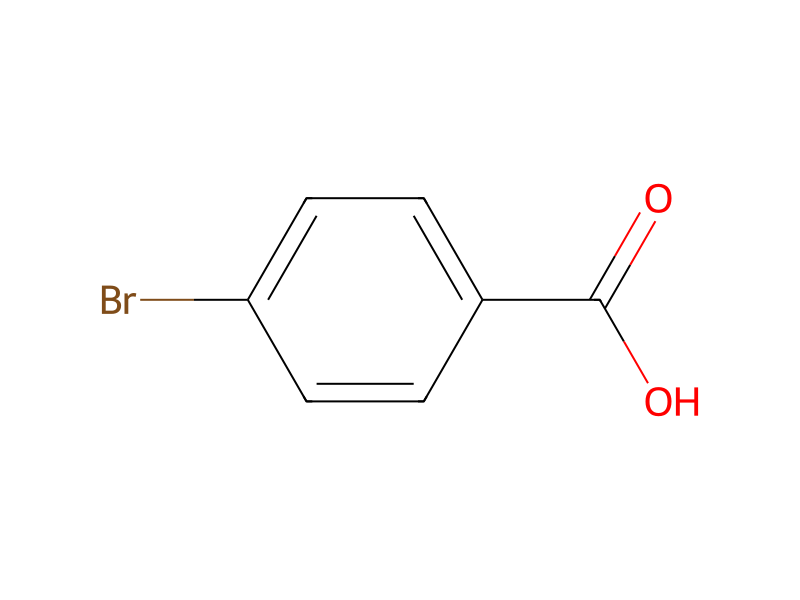
Basic information
- CAS
586-76-5- Standard SMILES
O=C(O)c1ccc(Br)cc1- InChIKey
TUXYZHVUPGXXQG-UHFFFAOYSA-N- Molecular formula
- C7H5BrO2
- Average molar mass
- 201.02 g/mol
- Monoisotopic mass
- 199.94729
Overview
4-bromobenzoic acid appears as colorless to red crystals. (NTP, 1992)
Names & identifiers
- Preferred name
- 4-Bromobenzoic acid
- IUPAC
- 4-bromobenzoic acid
- English name
- 4-Bromobenzoic acid
- Molecular formula
- C7H5BrO2
- Molecular weight
- 201.02
Names & synonyms
4-Bromobenzoic acid586-76-5P-BROMOBENZOIC ACIDBenzoic acid, 4-bromo-p-CarboxybromobenzeneBenzoic acid, p-bromo-p-Bromobenzenecarboxylic acid4-Brom-benzoesaeure4-carboxybromobenzene4-bromobenzenecarboxylic acidEINECS 209-581-7NSC 17582
Show more names
4-bromo-benzoicaci4-Bromobenzoic aicdBenzoicacid,4-bromo-'LGC' (4008)Homarine HCL4-BrombenzoesureAKOS BBS-00003716p-bromo-benzoicaci
BROMOBENZOIC ACID, P-BRN 1906923AI3-08859NSC-175824-09-00-01017 (Beilstein Handbook Reference)6992P6102ODTXSID7060413CHEBI:60698
Database identifiers
- CAS
586-76-5- PubChem CID
- 11464
- DTXSID
DTXSID7060413- ChEMBL
CHEMBL22051- ChEBI
CHEBI:60698- UNII
- 6992P6102O
- EC Number
- 209-581-7
- Nikkaji
- J43.481G
Properties
Computed structural propertiesFilling in
- XLogP
- 2.9
- Topological polar surface area
- 37.3 Ų
- Hydrogen bond donors
- 1
- Hydrogen bond acceptors
- 2
- Rotatable bonds
- 1
- Heavy atoms
- 10
- Formal charge
- 0
- Complexity
- 128
Experimental & physicochemical properties
Chemical ClassesOther Classes -> Benzoic Acid Derivatives
SpringerMaterials PropertiesCrystal structure
LogP2.86
Melting Point473.9 °F (NTP, 1992)
Physical Description
4-bromobenzoic acid appears as colorless to red crystals. (NTP, 1992)
Solid; [Merck Index] Colorless to red solid; [CAMEO] Beige powder; [Aldrich MSDS]
Physicochemical properties
- Melting point
- 252 · 252-254 °C (lit.)
- Boiling point
- 116 °C · 116 °C(Press: 15-16 Torr)
- Density
- 1 · 1,894 g/cm3
- refractive index
- 1.608 · 1.6080 (estimate)
- storage temp.
- Sealed in dry,Room Temperature
- solubility
Safety & regulation
Safety information is for reference only and does not replace the supplier’s Safety Data Sheet (SDS), applicable regulations, or professional assessment.
GHS classification
GHS Classification
Danger
H302 (95.2%): Harmful if swallowed [Warning Acute toxicity, oral]
P261, P262, P264, P264+P265, P270, P271, P273, P280, P301+P317, P302+P352, P304+P340, P305+P351+P338, P316, P317, P319, P321, P330, P332+P317, P337+P317, P361+P364, P362+P364, P391, P403+P233, P405, and P501 (click each P-code to see the statement)
Aggregated GHS information provided per 63 reports by companies from 13 notifications to the ECHA C&L Inventory. Each notification may be associated with multiple companies.
Hazard information
Regulatory Information
Chemical: Benzoic acid, 4-bromo-
Benzoic acid, 4-bromo-: Does not have an individual approval but may be used under an appropriate group standard
Health HazardsACUTE/CHRONIC HAZARDS: Explodes above its melting point. (NTP, 1992)
Hazards SummaryAn irritant; Harmful by ingestion; [Aldrich MSDS]
Reactive GroupAcids, Carboxylic
Reactivity Profile
Carboxylic acids donate hydrogen ions if a base is present to accept them. They react in this way with all bases, both organic (for example, the amines) and inorganic. Their reactions with bases, called "neutralizations", are accompanied by the evolution of substantial amounts of heat. Neutralization between an acid and a base produces water plus a salt. Carboxylic acids with six or fewer carbon atoms are freely or moderately soluble in water; those with more than six carbons are slightly soluble in water. Soluble carboxylic acid dissociate to an extent in water to yield hydrogen ions. The pH of solutions of carboxylic acids is therefore less than 7.0. Many insoluble carboxylic acids react rapidly with aqueous solutions containing a chemical base and dissolve as the neutralization generates a soluble salt. Carboxylic acids in aqueous solution and liquid or molten carboxylic acids can react with active metals to form gaseous hydrogen and a metal salt. Such reactions occur in principle for solid carboxylic acids as well, but are slow if the solid acid remains dry. Even "insoluble" carboxylic acids may absorb enough water from the air and dissolve sufficiently in it to corrode or dissolve iron, steel, and aluminum parts and containers. Carboxylic acids, like other acids, react with cyanide salts to generate gaseous hydrogen cyanide. The reaction is slower for dry, solid carboxylic acids. Insoluble carboxylic acids react with solutions of cyanides to cause the release of gaseous hydrogen cyanide. Flammable and/or toxic gases and heat are generated by the reaction of carboxylic acids with diazo compounds, dithiocarbamates, isocyanates, mercaptans, nitrides, and sulfides. Carboxylic acids, especially in aqueous solution, also react with sulfites, nitrites, thiosulfates (to give H2S and SO3), dithionites (SO2), to generate flammable and/or toxic gases and heat. Their reaction with carbonates and bicarbonates generates a harmless gas (carbon dioxide) but still heat. Like other organic compounds, carboxylic acids can be oxidized by strong oxidizing agents and reduced by strong reducing agents. These reactions generate heat. A wide variety of products is possible. Like other acids, carboxylic acids may initiate polymerization reactions; like other acids, they often catalyze (increase the rate of) chemical reactions.
Chemistry & industry
Uses & manufacturing
UsesUsed to detect strontium in organic syntheses; [Merck Index]
General Manufacturing InformationBenzoic acid, 4-bromo-: ACTIVE
Applications
Uses4-Bromobenzoic acid was used to study the metabolic fate of 2-,3-and 4-bromo benzoic acids in rat hepatocytes incubation using high temperature liquid chromatography. It was used in bromine-specific detection of the metabolites of 2-,3-and 4-bromobenzoic acid in the urine and bile of rats by inductively coupled plasma mass spectrometry. It is also used as an intermediate for the synthesis of agrochemicals, pharmaceutical, chemical intermediates and liquid crystals.
General DescriptionColorless to red crystals.
Preparation methods
Preparation4-Bromobenzoic acid is obtained by the reaction of p-bromotoluene with glacial acetic acid as the molten agent and oxygen as the oxidant, utilising a liquid-phase oxidation catalytic method under the action of a catalyst. The catalyst is a combination of acetic acid cobalt, manganese acetate, and bromide compounds.
Upstream & downstream products
Upstream raw materials
Downstream products
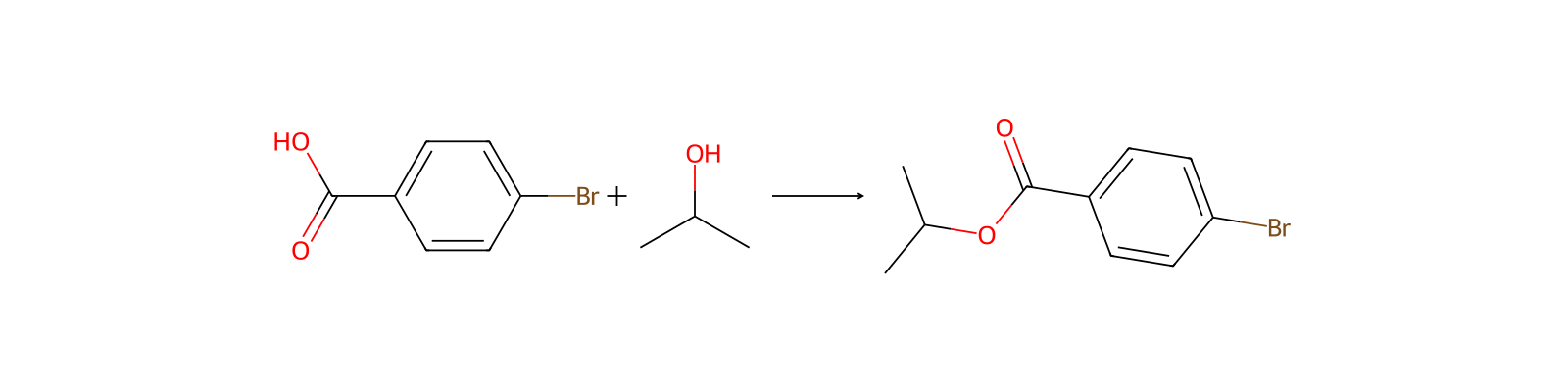
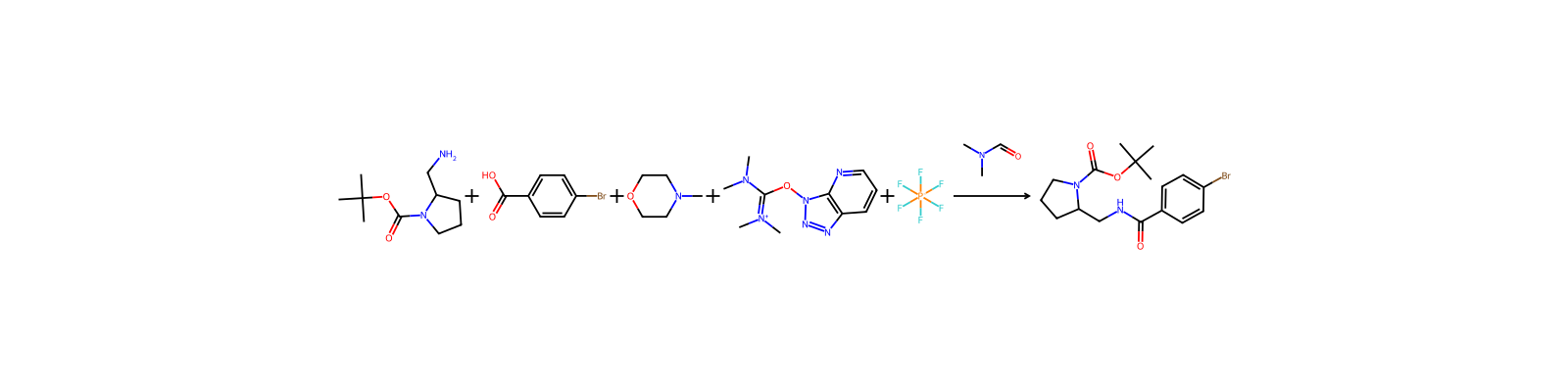
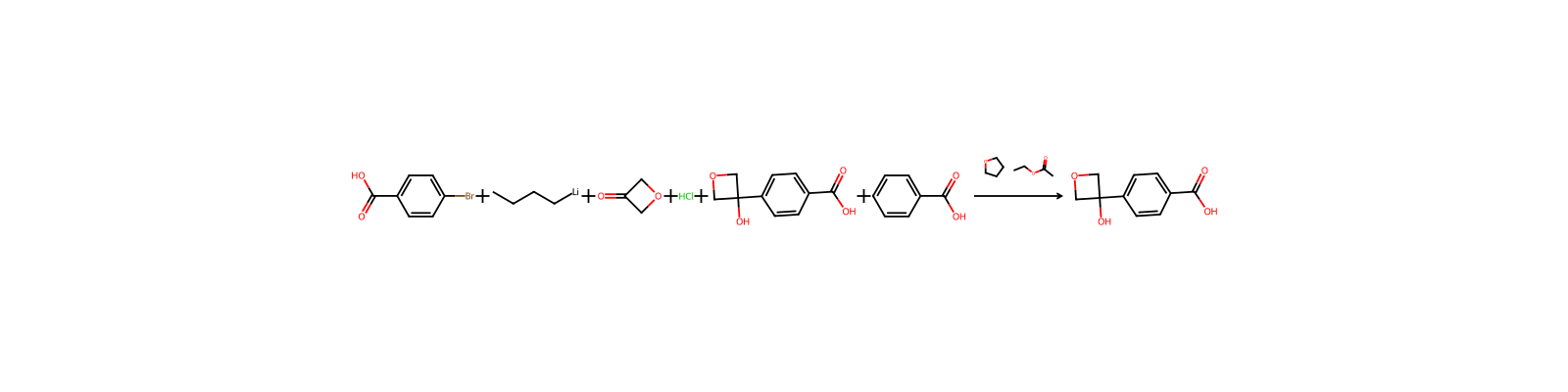
Related reactions
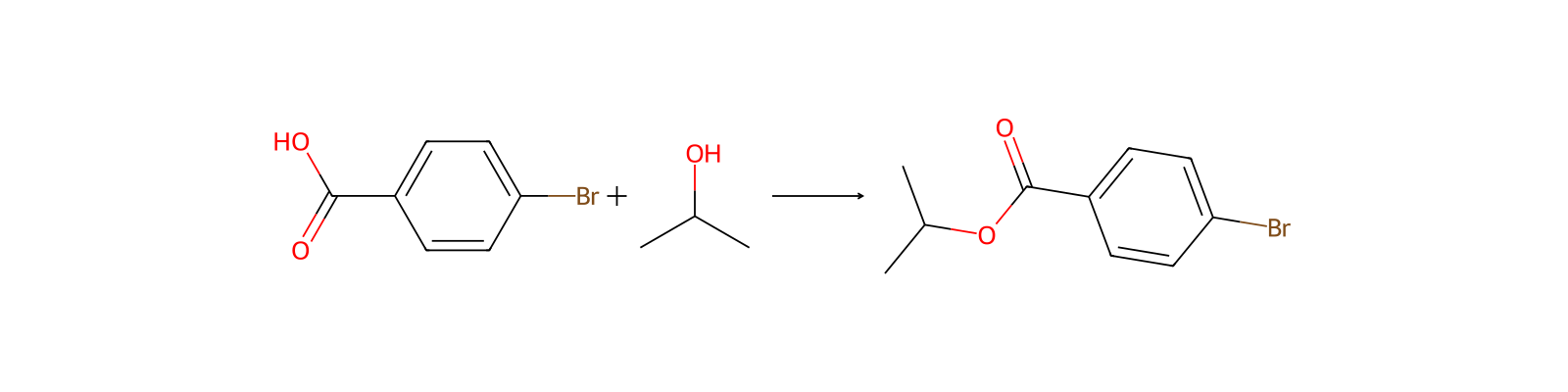
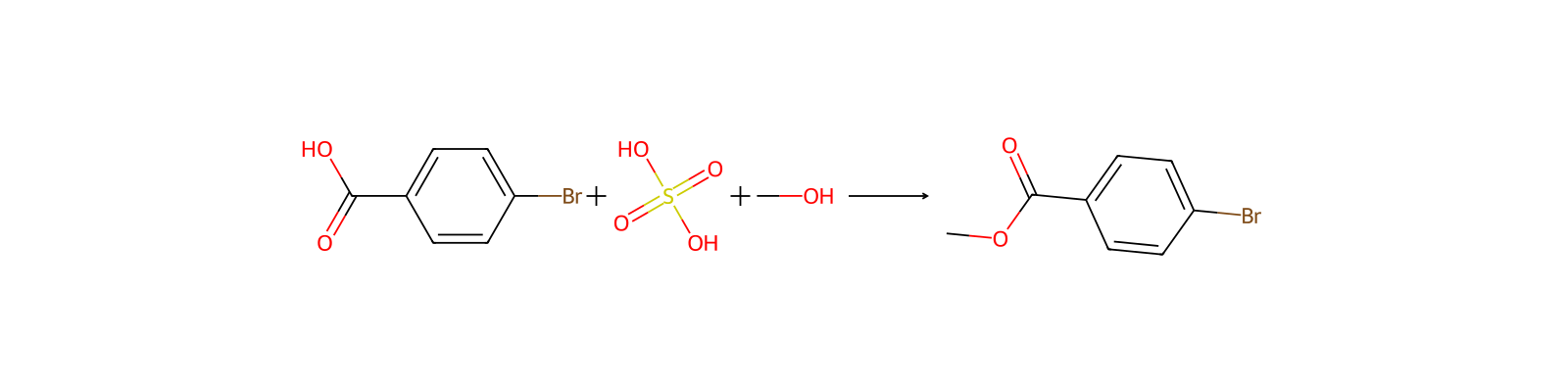
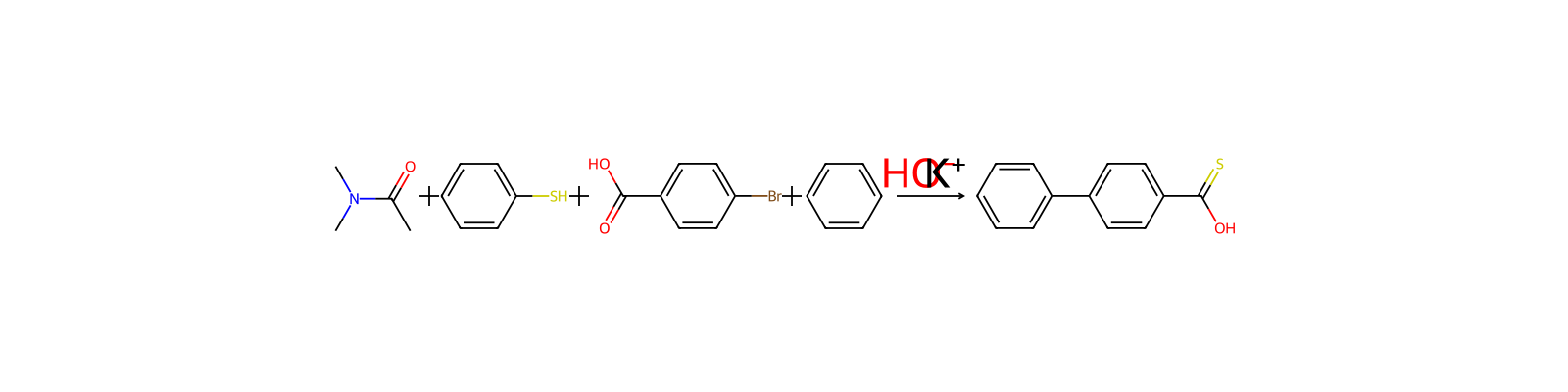
214 records

Compound notes
Loading…