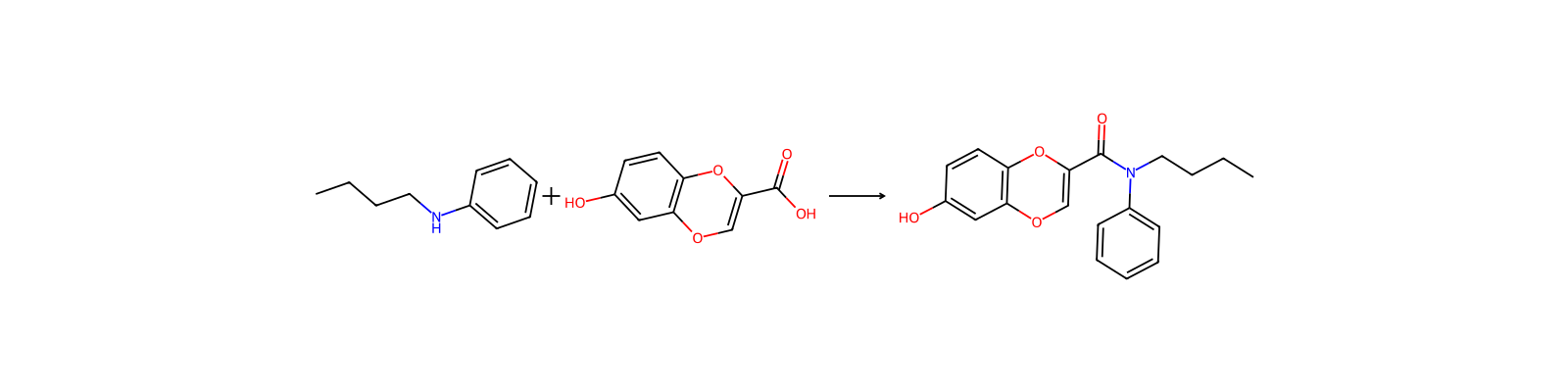
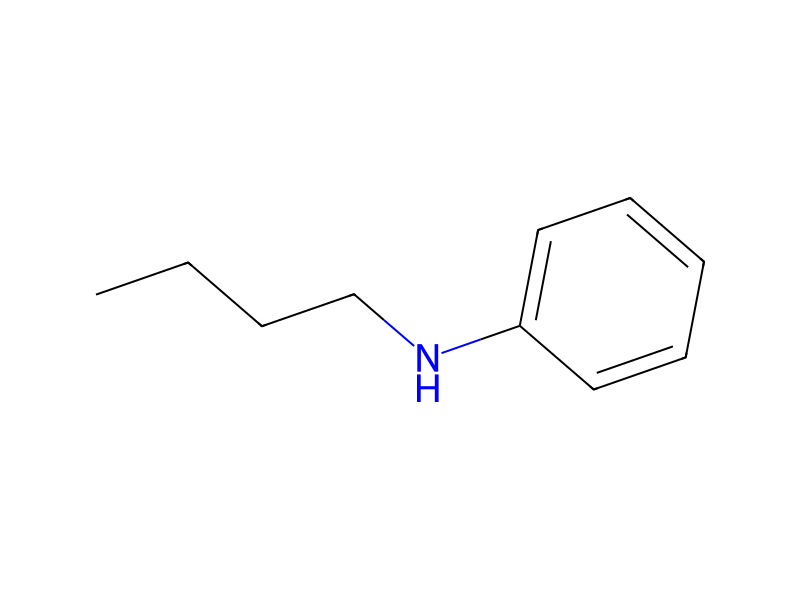
Basic information
- Standard SMILES
CCCCNc1ccccc1- InChIKey
VSHTWPWTCXQLQN-UHFFFAOYSA-N- Molecular formula
- C10H15N
- Average molar mass
- 149.23 g/mol
- Monoisotopic mass
- 149.12044948
Overview
N-butylaniline appears as an amber colored liquid. Slightly denser than water and insoluble in water. May be toxic by skin absorption and ingestion. Severely irritates skin and eyes. Used to make dyes.
Names & identifiers
- Preferred name
- N-Butylaniline
- IUPAC
- N-butylaniline
- English name
- N-Phenyl-n-butylamine
- Molecular formula
- C10H15N
- Molecular weight
- 149.23
Names & synonyms
N-Butylaniline1126-78-9Benzenamine, N-butyl-N-ButylbenzenamineAniline, N-butyl-4-(Phenylamino)butaneN-(N-BUTYL)ANILINEbutylphenylamineN-PhenylbutylamineNSC 7114Benzamine, N-butyl-UN2738
Show more names
N-Butylanlinen-butyl-anilinN-N-BUTYLANILINEn-butyl-benzenaminPhenyln-butylamine
DTXSID9044370UNII-R2ZNJ7L2UMR2ZNJ7L2UMNSC-7114EINECS 214-425-6BRN 2206226AI3-15307DTXCID7024370
Database identifiers
- CAS
1126-78-9- PubChem CID
- 14310
- DTXSID
DTXSID9044370- ChEMBL
CHEMBL3187651- UNII
- R2ZNJ7L2UM
- EC Number
- 214-425-6
- Nikkaji
- J1.760D
Properties
Computed structural properties
- XLogP
- 2.8
- Topological polar surface area
- 12 Ų
- Hydrogen bond donors
- 1
- Hydrogen bond acceptors
- 1
- Rotatable bonds
- 4
- Heavy atoms
- 11
- Formal charge
- 0
- Complexity
- 84.9
Experimental & physicochemical properties
SpringerMaterials PropertiesBoiling point
LogP3.58
Physical DescriptionN-butylaniline appears as an amber colored liquid. Slightly denser than water and insoluble in water. May be toxic by skin absorption and ingestion. Severely irritates skin and eyes. Used to make dyes.
Physicochemical properties
- Melting point
- -12 °C · -12 °C
- Boiling point
- 241 °C · 241 °C
- Density
- 0.93 · 0.93
- refractive index
- 1.5325 · 1.5325-1.5345
- Flash point
- 107 °C · 107 °C
- pka
- 5.05 · 5.05±0.20(Predicted)
- form
- clear liquid
- color
- Light yellow to Brown
- Water Solubility
- insoluble
- Exposure limits
- 100 ppm · NIOSH: IDLH 100 ppm
- CAS DataBase Reference
- 1126 · 1126-78-9(CAS DataBase Reference)
- EWG's Food Scores
- 1 · 1
- FDA UNII
- 2 ZNJ7L2UM · R2ZNJ7L2UM
- NIST Chemistry Reference
- N-Butylaniline(1126-78-9)
- EPA Substance Registry System
- N-Butylaniline (1126-78-9)
- Symbol(GHS)
- 6 · GHS06,GHS08
- Signal word
- Danger
- Hazard statements
- 331 · H331-H302-H315-H319-H370-H372-H335
- Precautionary statements
- 501 · P501-P270-P260-P271-P264-P280-P302+P352-P337+P313-P305+P351+P338-P308+P311-P362+P364-P332+P313-P301+P312+P330-P304+P340+P311-P403+P233-P405
- Hazard Codes
- Xn,Xi
- Risk Statements
- 20 · 20/22-36/37/38-22
- Safety Statements
- 28 A-37/39-26 · 28A-37/39-26
- RIDADR
- 2738 · UN 2738
- RTECS
- 9450000 · BW9450000
- Hazard Note
- Irritant
- TSCA
- TSCA listed
- HazardClass
- 6.1 · 6.1
- PackingGroup
- II
- HS Code
- 2921420090 · 2921420090
- Limited Quantities
- 100 ml · 100ml (liquid) or 0.5 Kg (solid)
- Excepted Quantities
- Max Inner Pack (1g or 1ml) and Max Outer Pack (500g or 500ml)
Safety & regulation
GHS classification
GHS Classification
Danger
H302 (100%): Harmful if swallowed [Warning Acute toxicity, oral]
P260, P261, P264, P264+P265, P270, P271, P280, P301+P317, P302+P352, P304+P340, P305+P351+P338, P308+P316, P319, P321, P330, P332+P317, P337+P317, P362+P364, P403+P233, P405, and P501 (click each P-code to see the statement)
Aggregated GHS information provided per 99 reports by companies from 11 notifications to the ECHA C&L Inventory. Each notification may be associated with multiple companies.
Hazard information
Regulatory Information
Chemical: Benzenamine, N-butyl-
The New Jersey Worker and Community Right to Know Act requires public and private employers to provide information about hazardous substances at their workplaces. (N.J.S.A. 34:5A-1 et. seq.)
DOT LabelPoison
Fire Hazards
Excerpt from ERG Guide 153 [Substances - Toxic and/or Corrosive (Combustible)]:
· Combustible material: may burn but does not ignite readily.
Health Hazards
Excerpt from ERG Guide 153 [Substances - Toxic and/or Corrosive (Combustible)]:
· TOXIC and/or CORROSIVE; inhalation, ingestion or skin contact with material may cause severe injury or death.
DOT ID and Guide2738 153
Reactive GroupAmines, Aromatic
Reactivity Profile
N-BUTYLANILINE neutralizes acids in exothermic reactions to form salts plus water. May be incompatible with isocyanates, halogenated organics, peroxides, phenols (acidic), epoxides, anhydrides, and acid halides. Flammable gaseous hydrogen may be generated in combination with strong reducing agents, such as hydrides.
DOT Hazard Classification
N-Butylaniline
UN2738
Div 6.1 Poisonous materials (49 eCFR § 173.132)
PG II: the degree of danger presented by the material is medium
Air and Water ReactionsInsoluble in water.
Hazard Classes and CategoriesAcute Tox. 4 (100%)
Safety & protection
Fire FightingExcerpt from ERG Guide 153 [Substances - Toxic and/or Corrosive (Combustible)]:
Accidental Release Measures
· CALL 911. Then call emergency response telephone number on shipping paper. If shipping paper not available or no answer, refer to appropriate telephone number listed on the inside back cover.
· ELIMINATE all ignition sources (no smoking, flares, sparks or flames) from immediate area.
First Aid
Excerpt from ERG Guide 153 [Substances - Toxic and/or Corrosive (Combustible)]:
General First Aid:
Exposure Control and Personal Protection· Wear positive pressure self-contained breathing apparatus (SCBA).
Nonfire Spill ResponseExcerpt from ERG Guide 153 [Substances - Toxic and/or Corrosive (Combustible)]:
Isolation and Evacuation
Excerpt from ERG Guide 153 [Substances - Toxic and/or Corrosive (Combustible)]:
Immediate precautionary measure
Personal Protective Equipment (PPE)Excerpt from ERG Guide 153 [Substances - Toxic and/or Corrosive (Combustible)]:
Emergency Response Planning GuidelinesSmall Fire
Safety data
- tsca
- TSCA listed
- rtecs
- BW9450000
- ridadr
- UN 2738
- hs_code
- 2921420090
- risk_code
- 20/22-36/37/38-22
- Signal word
- Danger
- Symbol(GHS)
- GHS06,GHS08
- hazard_code
- Xn,Xi
- hazard_note
- Irritant
- safety_code
- 28A-37/39-26
- hazard_class
- 6.1
- packing_group
- II
- Hazard statements
- H331-H302-H315-H319-H370-H372-H335
- Limited Quantities
- 100ml (liquid) or 0.5 Kg (solid)
- Excepted Quantities
- Max Inner Pack (1g or 1ml) and Max Outer Pack (500g or 500ml)
- Precautionary statements
- P501-P270-P260-P271-P264-P280-P302+P352-P337+P313-P305+P351+P338-P308+P311-P362+P364-P332+P313-P301+P312+P330-P304+P340+P311-P403+P233-P405
Chemistry & industry
Uses & manufacturing
General Manufacturing InformationBenzenamine, N-butyl-: ACTIVE
Applications
UsesN-Butylaniline is used in preparation of Cyano Tertiary Amine.
General DescriptionAn amber colored liquid. Slightly denser than water and insoluble in water. May be toxic by skin absorption and ingestion. Severely irritates skin and eyes. Used to make dyes.
Upstream & downstream products
Upstream raw materials
Downstream products
Suppliers50 total
梯希爱(上海)化成工业发展有限公司021-67121386 · [email protected]
阿诺西(上海)生物技术有限公司400-1107768 15058188853 · [email protected]
上海阿拉丁生化科技股份有限公司400-6206333 13167063860 · [email protected]
湖北成丰化工有限公司13125175253 · [email protected]
江苏艾康生物医药研发有限公司025-025-66113011 15955137747 · [email protected]
爱斯特(成都)生物制药股份有限公司+86-28-85122536 85324413 · [email protected]
Dayang Chem (Hangzhou) Co.,Ltd.+86-0571-88938639 17705817739 · [email protected]
衢州明锋化工有限公司0570-3062502 13819002126;13819008176 · [email protected]
Syntechem Co.,Ltd[email protected]
天津中信凯泰化工有限公司022-66880623 · [email protected]
武汉市聚舜化工有限公司027-02783261126 18971318572 · [email protected]
阿法埃莎(中国)化学有限公司400-6106006 · [email protected]
安耐吉化学&3A(安徽泽升科技股份有限公司)400-0056266 · [email protected]
梯希爱(上海)化工贸易有限公司021-61109150 · [email protected]
上海瀚鸿科技股份有限公司021-54306202 13764082696 · [email protected]
上海隆盛化工有限公司58099637 13585536065 · [email protected]
常州市华阳科技有限公司+8615250961469 · [email protected]
合肥天健化工有限公司551-65418679 15856988503;15837135945 · [email protected]
山东西亚化学有限公司13355009207 13355009207 · [email protected]
广东大小化工有限公司1866-171603 18666171603 · [email protected]
天津希恩思生化科技有限公司400 638 7771 · [email protected]
北京伊诺凯科技有限公司15652467323 · [email protected]
TCI AMERICA800-4238616 · [email protected]
TOKYO CHEMICAL INDUSTRY CO., LTD.03-36680489 · [email protected]
TCI Europe320-37350700 · [email protected]
北京京土恒盛化工科技有限公司00-13911456598 13911456598 · [email protected]
PT CHEM GROUP LIMITED+86-85511178; +86-85511178 · [email protected]
杭州杰恒化工有限公司0571-87396432 · [email protected]
九鼎化学(上海)科技有限公司4009209199 · [email protected]
武汉峰耀同辉化学制品有限公司027-87466205 15377579727 · [email protected]
厦门志信化学有限公司+86-5922680277 +86-13806087780 · [email protected]
嘉兴市德亿化工有限公司0573-85866609 13325730825 · [email protected]
陕西缔都医药化工有限公司029-029-81120477 17792793610 · [email protected]
上海岚克医药科技发展有限公司0086-21-58956006
青岛海力诺化工有限公司[email protected]
上海源叶生物科技有限公司13636370518 · [email protected]
武汉克米克生物医药技术有限公司027-13163388153 13163388153 · [email protected]
山东西亚化学有限公司4009903999 13395398332 · [email protected]
山东小野化学股份有限公司0539-6362799 20)
上海贤鼎生物科技有限公司021-021-52271985 17721149837 · [email protected]
盼得(上海)国际贸易有限公司80159919 18662931292 · [email protected]
巴师傅(上海)生物医药科技有限公司60662071 18117346937 · [email protected]
Shaanxi Didu New Materials Co. Ltd+86-86-17392712779 +86-13289823923 · [email protected]
杭州洁汉化工有限公司+86-571-86217390; +8618058761490 · [email protected]
上海百舜生物科技有限公司021-37581181 · [email protected]
珠海嘉亿生物科技有限公司18578209868 2355327026 · [email protected]
河南天孚化工有限公司+86-0371-55170693 +86-19937530512 · [email protected]
厦门盈融达化工有限公司+86-0592-6210733 · [email protected]
衢州市瑞尔丰化工有限公司0570-3062289 13819008176 15068926975 · [email protected]
career henan chemical co+86-0371-86658258 · [email protected]
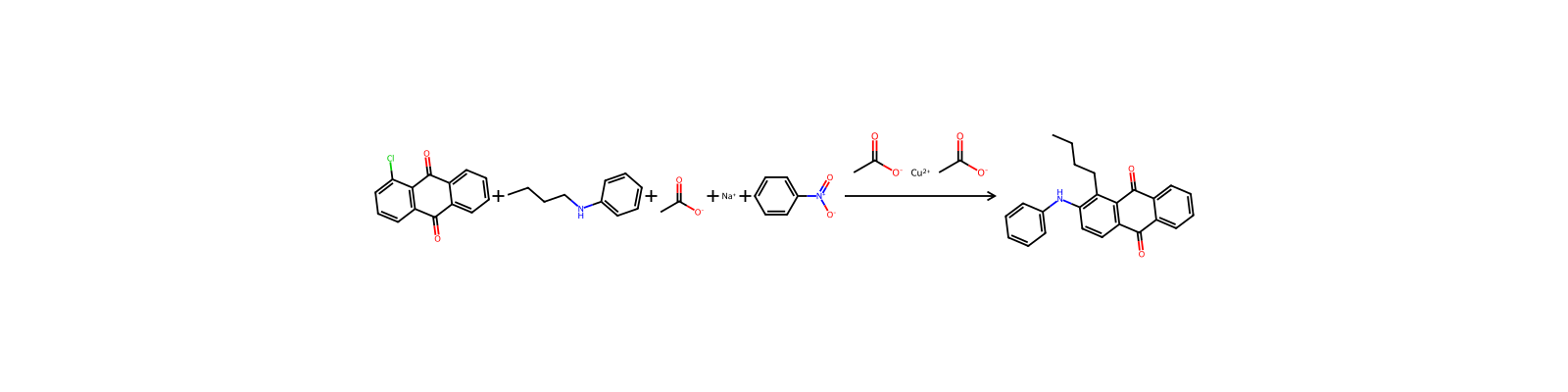
Related reactions
17 records




Linked notes
Loading…