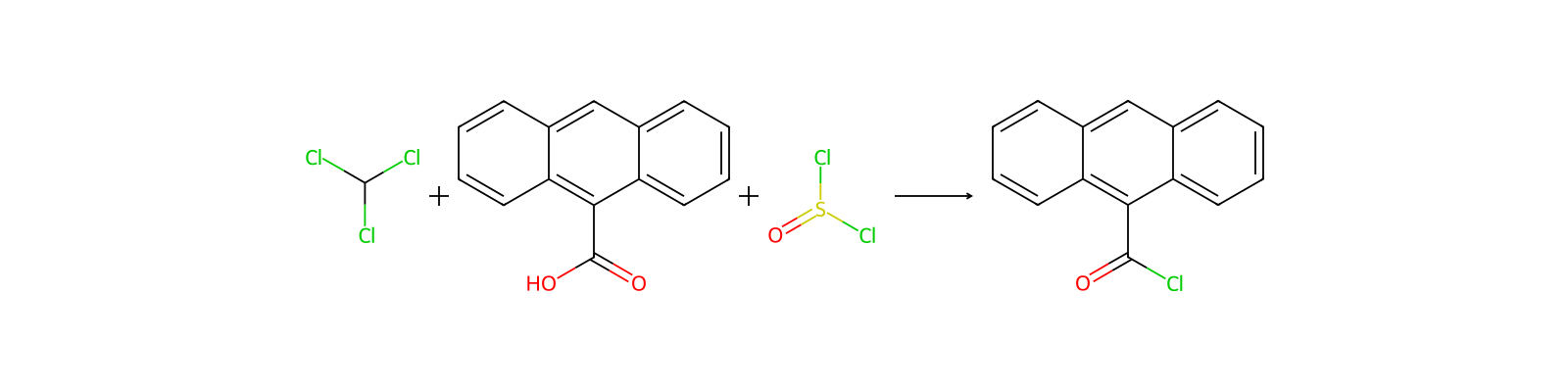
9-Anthracenecarboxylic acid
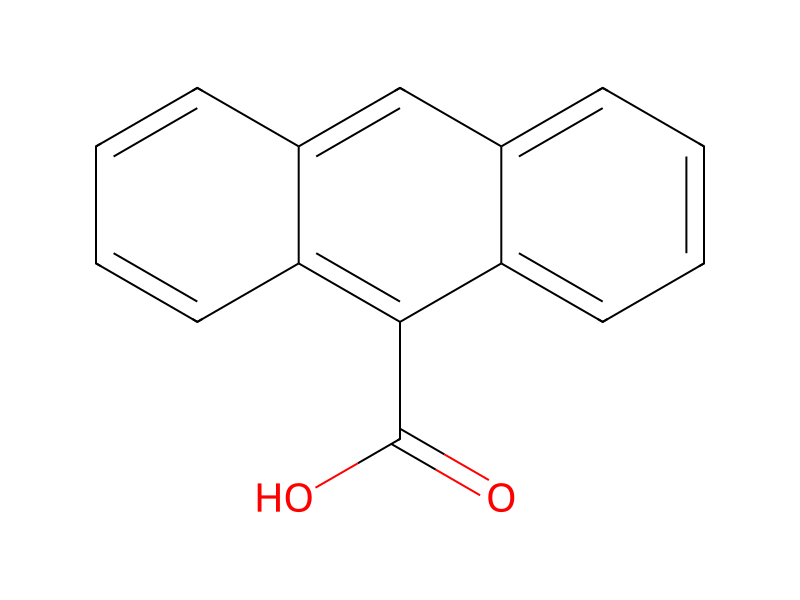
Basic information
- CAS
723-62-6- Standard SMILES
O=C(O)c1c2ccccc2cc2ccccc12- InChIKey
XGWFJBFNAQHLEF-UHFFFAOYSA-N- Molecular formula
- C15H10O2
- Average molar mass
- 222.24 g/mol
- Monoisotopic mass
- 222.06807956
Overview
9-anthroic acid is an anthroic acid carrying the carboxy substituent at position 9.
Names & identifiers
- Preferred name
- 9-Anthracenecarboxylic acid
- IUPAC
- anthracene-9-carboxylic acid
- English name
- 9-Anthracenecarboxylic acid
- Molecular formula
- C15H10O2
- Molecular weight
- 222.24
Names & synonyms
9-Anthracenecarboxylic acid723-62-69-Anthroic acidANCA9-CarboxyanthraceneAnthracene-10-carboxylic acid9-anthracene carboxylic acidDTXSID70494279-AC cpd7VK69492FV9-ACANSC-151909
Show more names
AnthraAKOS MSC-01349-anthroicaci9-Anthroate acidMS-ANTHROIC ACID
DTXCID6029387CHEBI:34507RefChem:107758211-964-9anthracene-9-carboxylic acid9-ACSpectrum4_000875MFCD00001257
Database identifiers
- CAS
723-62-6- PubChem CID
- 2201
- DTXSID
DTXSID7049427- ChEMBL
CHEMBL1513985- ChEBI
CHEBI:34507- UNII
- 7VK69492FV
- EC Number
- 211-964-9
- Nikkaji
- J79.927K
Properties
Computed structural properties
- XLogP
- 3.8
- Topological polar surface area
- 37.3 Ų
- Hydrogen bond donors
- 1
- Hydrogen bond acceptors
- 2
- Rotatable bonds
- 1
- Heavy atoms
- 17
- Formal charge
- 0
- Complexity
- 277
Experimental & physicochemical properties
PolymersOther Classes -> Polycyclic Aromatic Hydrocarbons
SpringerMaterials Properties13C nuclear magnetic resonance spectrum
LogP3.85
Vapor Pressure0.00000022 [mmHg]
Physical DescriptionYellow powder; [Alfa Aesar MSDS]
Physicochemical properties
- Melting point
- 213 · 213-217 °C (lit.)
- Boiling point
- 323.41 °C · 323.41°C (rough estimate)
- Density
- 1.1404 · 1.1404 (rough estimate)
- refractive index
- 1.66 · 1.6600 (estimate)
- storage temp.
- Sealed in dry,Room Temperature
- solubility
- 2 O: · H2O: soluble
- form
- Solid
Safety & regulation
Safety information is for reference only and does not replace the supplier’s Safety Data Sheet (SDS), applicable regulations, or professional assessment.
GHS classification
GHS Classification
This chemical does not meet GHS hazard criteria for 30% (3 of 10) of reports.
Danger
H301 (10%): Toxic if swallowed [Danger Acute toxicity, oral]
P261, P264, P264+P265, P270, P271, P280, P301+P316, P302+P352, P304+P340, P305+P351+P338, P319, P321, P330, P332+P317, P337+P317, P362+P364, P403+P233, P405, and P501 (click each P-code to see the statement)
Aggregated GHS information provided per 10 reports by companies from 5 notifications to the ECHA C&L Inventory. Each notification may be associated with multiple companies.
Hazard information
Regulatory Information
Chemical: 9-Anthracenecarboxylic acid
REACH registered substance: Anthracene-9-carboxylic acid (EC: 211-964-9)
9-Anthracenecarboxylic acid: Does not have an individual approval but may be used under an appropriate group standard
Hazards SummaryCauses muscle contraction or spasticity in intraperitoneal lethal-dose studies of mice (LD50 = 750 mg/kg); [RTECS] A skin and strong eye irritant; [Alfa Aesar MSDS] See POLYCYCLIC AROMATIC HYDROCARBONS.
Hazard Classes and CategoriesAcute Tox. 3 (10%)
Safety data
- PPE
- Eyeshields, Gloves, type N95 (US)
- wgk
- 3
- tsca
- TSCA listed
- rtecs
- CB8764000
- hs_code
- 29163900
- Toxicity
- pic-esc 127 mg/well MUREAV 260,349,91
- risk_code
Chemistry & industry
Pharmacology
Metabolism/Metabolites9-Anthracenecarboxylic acid is a known human metabolite of 9-anthraldehyde.
Uses & manufacturing
UsesChloride channel blocker. [ChemIDplus]
General Manufacturing Information9-Anthracenecarboxylic acid: ACTIVE
Applications
Description9-Anthracenecarboxylic acid (9-AC) is a yellow powder with excellent light stability and fluorescence properties, which can be used as a dye intermediate. The binding constant for fluorescein and 9-AC is 982 M−1, while it is only 81 M−1 for the eosin ester and 9-AC. The fluorescence spectrum of 9-AC in ethanol exhibits strong concentration dependence. At concentrations below 10-5 mol/l, the spectrum displays an anthracene-like structure, whereas above 10-3 mol/l, the spectrum shifts towards the red region, transforming into a broad, structureless band. Furthermore, 9-AC may serve as an electron-transfer ligand for applications in semiconductor or OLED fields.
UsesAnthracene-9-carboxylic acid is a Cl- transport inhibitor with a moderate to strong inhibitory action on PKA activated cardiac IcI.
Upstream & downstream products
Upstream raw materials
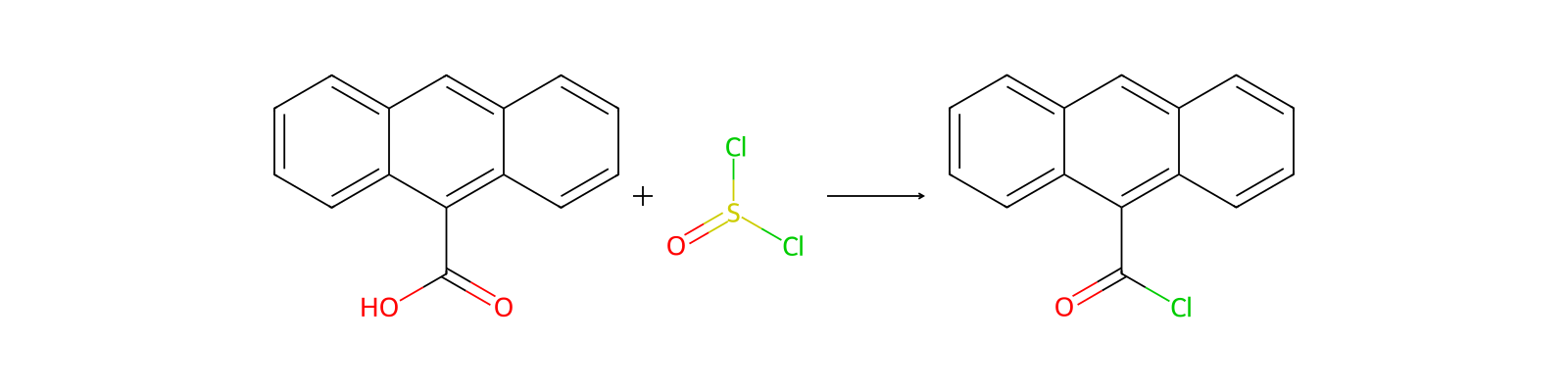
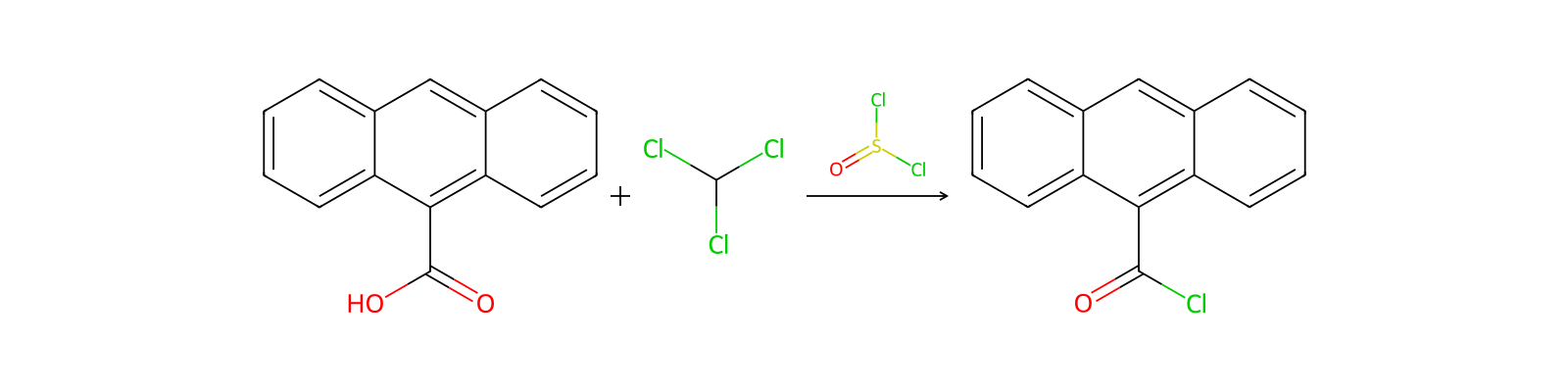
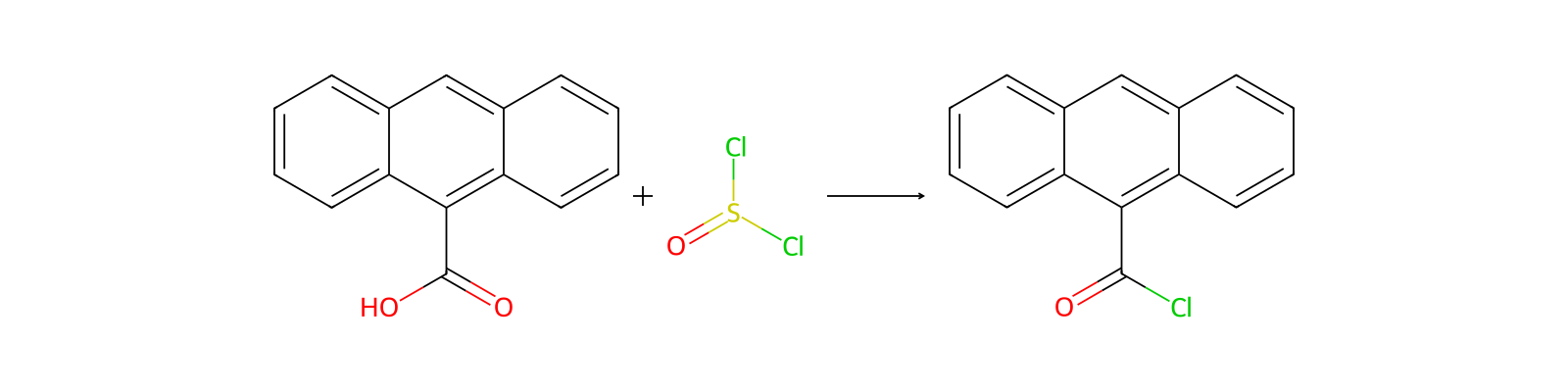
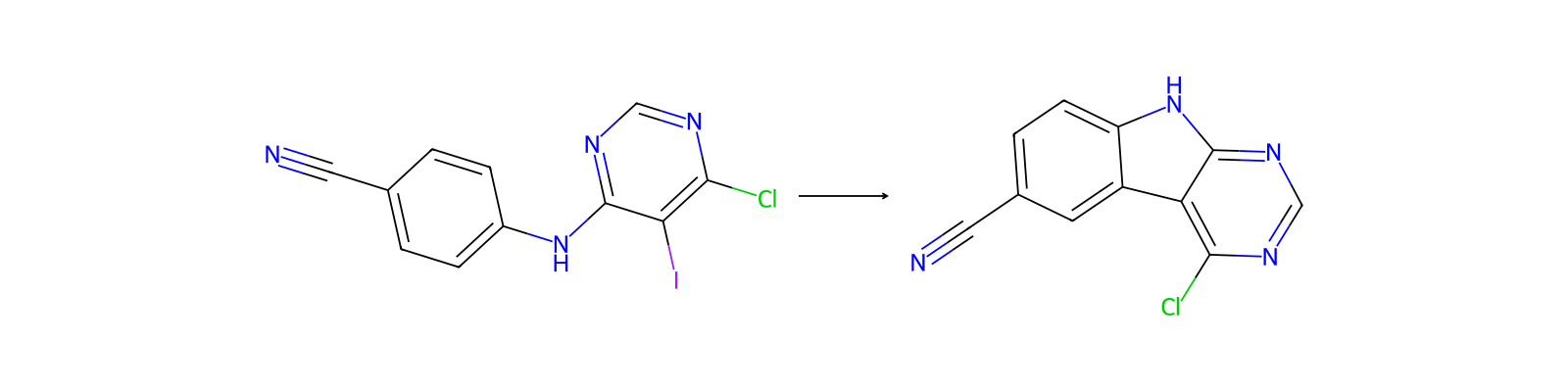
Related reactions
18 records



Compound notes
Loading…