
Cadmium chloride, dihydrate

Basic information
- CAS
10108-64-2- Standard SMILES
[Cd+2].[Cl-].[Cl-]- InChIKey
YKYOUMDCQGMQQO-UHFFFAOYSA-L- Molecular formula
- CdCl2
- Average molar mass
- 183.32 g/mol
- Monoisotopic mass
- 183.84106386
Overview
See also: Cadmium Chloride (preferred).
Names & identifiers
- Preferred name
- Cadmium chloride, dihydrate
- IUPAC
- cadmium(2+) dichloride
- English name
- Cadmium chloride
- Molecular formula
- CdCl2
- Molecular weight
- 183.32
Names & synonyms
CADMIUM CHLORIDE, DIHYDRATEcadmium(2+);dichlorideCAS-10108-64-273664-99-0109-Cadmium chlorideCadmium chloride (CdCl)(109Cd)Cadmium chloridecadmium(II)chlorideSCHEMBL19856CADMIUM CHLORIDE [MI]CADMIUM CHLORIDE [HSDB]CADMIUM MURIATICUM [HPUS]
Show more names
CdCl2Cadmium chloride (CdCl2)cadmium chloride solutionCaddyVi-CadNSC 51148KadmiumchloridDichlorocadmiumCADMIUM CHLORIDECadmium dichloride
CADMIUM CHLORIDE [WHO-DD]Tox21_202229Tox21_303000AKOS024256118NCGC00090932-01NCGC00256542-01NCGC00259778-0113966-86-4
Database identifiers
- CAS
10108-64-2、13966-86-4、72589-96-9、73664-99-0- PubChem CID
- 24633
- DTXSID
DTXSID6020226- UNII
- J6K4F9V3BA
- Nikkaji
- J3.116J
Properties
Computed structural properties
- Topological polar surface area
- 0 Ų
- Hydrogen bond donors
- 0
- Hydrogen bond acceptors
- 2
- Rotatable bonds
- 0
- Heavy atoms
- 3
- Formal charge
- 0
- Complexity
- 0
Experimental & physicochemical properties
Endocrine DisruptorsPotential endocrine disrupting compound
Physicochemical properties
- Melting point
- 568 °C · 568 °C(lit.)
- Boiling point
- 960 °C · 960 °C
- Density
- 1.01 g/mL · 1.01 g/mL at 20 °C
- vapor density
- 6.3 · 6.3 (vs air)
- vapor pressure
- 10 mm · 10 mm Hg ( 656 °C)
- Flash point
- 960 °C · 960°C
- storage temp.
- 2 · 2-8°C
- solubility
- 2 O: · H2O: soluble
- form
- beads
- color
- White
- Specific Gravity
- 4.047 · 4.047
- Odor
- Odorless
- Water Solubility
- 1400 g/L · 1400 g/L (20 ºC)
- Specific Heat Capacity
- 0.41 J/ · Cp(crystal): 0.41 J/(g·K), at 25℃
Safety & regulation
Safety information is for reference only and does not replace the supplier’s Safety Data Sheet (SDS), applicable regulations, or professional assessment.
Safety data
- F
- 3-9-23
- PPE
- Eyeshields, Faceshields, Gloves, type P3 (EN 143) respirator cartridges
- wgk
- 3
- tsca
- TSCA listed
- rtecs
- EV0175000
- ridadr
- UN 3082 9/PG 3
- hs_code
- 28273985
- Toxicity
- LD50 orally in rats: 88 mg/kg (Nriagu)
- risk_code
- 45-46-60-61-25-26-48/23/25-51/53-50/53-48/20/22-23-22
- Signal word
- Danger
- Symbol(GHS)
- GHS06,GHS08,GHS09
- hazard_code
- T,N,T+
- safety_code
- 53-45-61-60-36/37-28
- hazard_class
- 6.1
- Storage Class
- 6.1A - Combustible acute toxic Cat. 1 and 2very toxic hazardous materials
- packing_group
- III
- Hazard statements
- H330-H301-H360-H372-H370-H340-H350-H410
- Limited Quantities
- 5.0 L (1.3 gallons) (liquid) or 5.0 kg (11 lbs) (solid)
- Excepted Quantities
- Max Inner Pack (30g or 30ml) and Max Outer Pack (1Kg or 1L)
- REACH Registrations
- Active
- Hazard Classifications
- Acute Tox. 2 InhalationAcute Tox. 3 OralAquatic Acute 1Aquatic Chronic 1Carc. 1BMuta. 1BRepr. 1BSTOT RE 1
- Precautionary statements
- P501-P273-P260-P270-P202-P201-P271-P264-P280-P284-P391-P308+P311-P301+P310+P330-P304+P340+P310-P403+P233-P405
- Hazardous Substances Data
Chemistry & industry
Applications
DescriptionCadmium chloride is a cadium halide consisting of cadmium and chlorine. It is well soluble in water, methanol and ethanol. It can be used in photography, in dyeing, electroplating fabric printing and calico printing and for precipitating sulfide. It can be used for the manufacture of cadium sulfide, organocadium compound of the type R2Cd. It is manufactured through the reaction between anhydrous chlorine and hydrogen chloride gas with heated cadmium metal. It can also be made through the reaction between hydrochloric acid with cadmium oxide. However, it is a hazard to the environment, and should be limited for spread.
UsesCadmium chloride (CdCl2), a soluble crystal, is formed when cadmium metal is treated with hydrochloric acid (Cd + 2HCl → CdCl2 + H2). CdCl2 is used in dyeing and printing textiles, in electroplating baths, in photography, and as the ingredient for cadmium yellow in artists’ oil paint.
DescriptionCadmium chloride is a colourless and odourless crystal. It is used for the preparation of cadmium sulphide, used as ‘cadmium yellow’, a brilliant-yellow pigment, which is stable to heat and sulphide fumes. Cadmium chloride has a high solubility in water and is a non-combustible solid, but the dust can be a moderate fire hazard when exposed to heat or flame or when reacted with oxidising agents. It is incompatible with bromine trifluoride, potassium oxidisers, zinc, selenium, tellurium, and hydrogen azide.
UsesMade by the action of hydrochloric acid on cadmium and crystallization. The small white crystals are soluble in alcohol and water. Cadmium chloride was used to make collodionchloride printing-out emulsions, also known as leptographic or aristotype papers.
UsesUsed in a preparation of highly luminescent CdTe nanocrystals.1
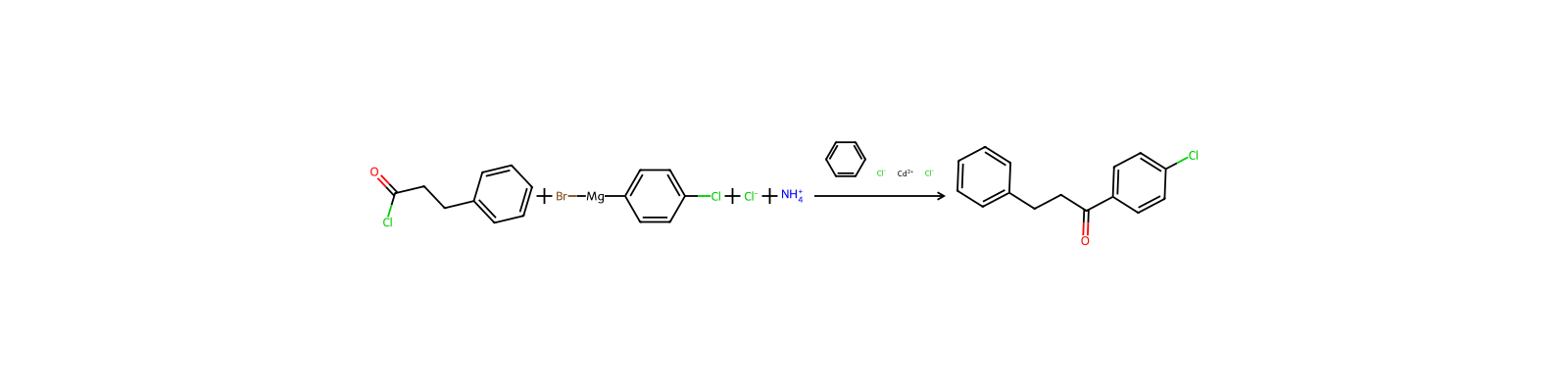
UsesCadmium Chloride is used in the preparation of the stable inorganic pigment cadmium sulfide (Cadmium Yellow). Cadmium Chloride treatment of thin film CDTe solar cells is used to produce high-efficienc y solar cells.. Cadmium Chloride is also used in the preparation of organocadmium compounds.
UsesPreparation of cadmium standard; analysis of sulfides; testing of pyridine bases.
General DescriptionCadmium chloride is a white crystalline solid. Cadmium chloride is soluble in water. Cadmium chloride is noncombustible. The primary hazard of Cadmium chloride is that Cadmium chloride poses a threat to the environment. Immediate steps should be taken to limit its spread to the environment. Cadmium chloride is used in photography, in fabric printing, in chemical analysis, and in many other uses.
Related reactions
28 records


Compound notes
Loading…