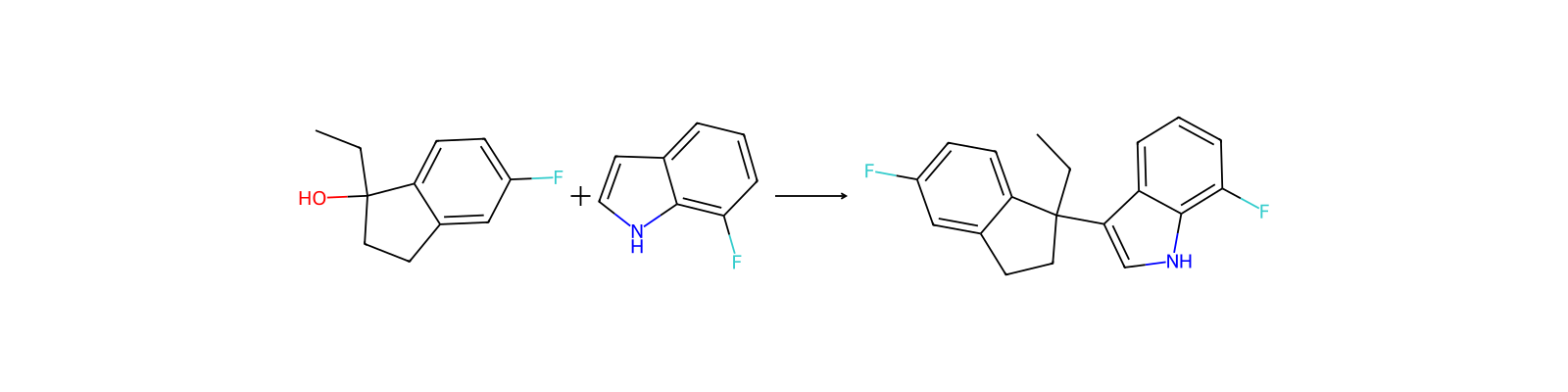
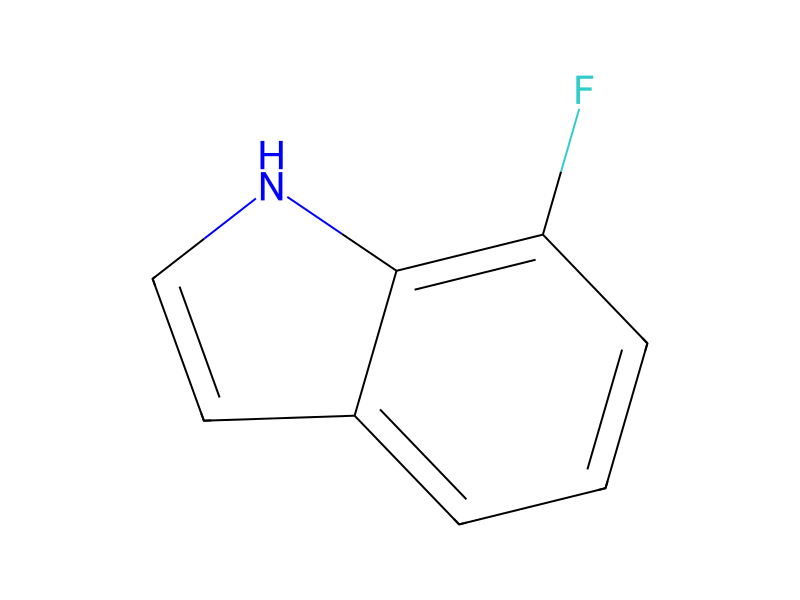
Basic information
- Standard SMILES
Fc1cccc2cc[nH]c12- InChIKey
XONKJZDHGCMRRF-UHFFFAOYSA-N- Molecular formula
- C8H6FN
- Average molar mass
- 135.14 g/mol
- Monoisotopic mass
- 135.04842741
Names & identifiers
- Preferred name
- 7-Fluoro-1H-indole
- IUPAC
- 7-fluoro-1H-indole
- English name
- 7-Fluoroindole
- Molecular formula
- C8H6FN
- Molecular weight
- 135.14
Names & synonyms
7-fluoro-1H-indole387-44-0RefChem:546399640-248-27-fluoroindoleMFCD01074502C8H6FNSCHEMBL446638CHEMBL6147011DTXSID60379062CS-W007613PS-9128
Show more names
uoro-1H-indoL7-Flouroindole7-ETHOXYINDOLE7-Fluoroindole>BUTTPARK 24\07-357-Fluoroindole,97%7-Fluoroindole,98%1H-Indole, 7-fluoro-
F05557-fluoro-indole7-fluoranyl-1H-indole7-Fluoroindoline-2-oneAMY3673A6536FT-0621412A824264
Database identifiers
- CAS
387-44-0- PubChem CID
- 2774504
- DTXSID
DTXSID60379062- ChEMBL
CHEMBL6147011- EC Number
- 640-248-2
- Nikkaji
- J380.938B
Properties
Computed structural properties
- XLogP
- 2.9
- Topological polar surface area
- 15.8 Ų
- Hydrogen bond donors
- 1
- Hydrogen bond acceptors
- 1
- Rotatable bonds
- 0
- Heavy atoms
- 10
- Formal charge
- 0
- Complexity
- 126
Physicochemical properties
- Melting point
- 61 °C · 61 °C
- Boiling point
- 258 · 258.0±13.0 °C(Predicted)
- Density
- 1.273 · 1.273±0.06 g/cm3(Predicted)
- Flash point
- 110 ° · >110°
- storage temp.
- 2 · 2-8°C
- solubility
- Soluble in methanol. (almost transparency)
- pka
- 15.55 · 15.55±0.30(Predicted)
- form
- powder to crystal
- color
- White to Light yellow to Light orange
- BRN
- 114740 · 114740
- InChI
- InChI=1S/C8H6FN/c9-7-3-1-2-6-4-5-10-8(6)7/h1-5,10H
- InChIKey
- XONKJZDHGCMRRF-UHFFFAOYSA-N
- SMILES
- N1C2=C(C=CC=C2F)C=C1
- CAS DataBase Reference
- 387 · 387-44-0(CAS DataBase Reference)
- UNSPSC Code
- 12352100 · 12352100
- NACRES
- 22 · NA.22
- Symbol(GHS)
- 5 · GHS05,GHS07
- Signal word
- Danger
- Hazard statements
- 302 · H302-H315-H318-H335
- Precautionary statements
- 280 · P280-P301+P312+P330-P302+P352-P305+P351+P338+P310
- target organs
- Respiratory system
- Hazard Codes
- Xi,Xn
- Risk Statements
- 36 · 36/37/38-41-37/38-22
- Safety Statements
- 26 · 26-36-39
- WGK Germany
- 3 · 3
- Hazard Note
- Irritant
- HS Code
- 29339900 · 29339900
- Storage Class
- 11 · 11 - Combustible Solids
- Hazard Classifications
- 4 OralEye · Acute Tox. 4 OralEye Dam. 1Skin Irrit. 2STOT SE 3
Safety & regulation
GHS classification
GHS Classification
Danger
H302 (61.9%): Harmful if swallowed [Warning Acute toxicity, oral]
P261, P264, P264+P265, P270, P271, P280, P301+P317, P302+P352, P304+P340, P305+P351+P338, P305+P354+P338, P317, P319, P321, P330, P332+P317, P337+P317, P362+P364, P403+P233, P405, and P501 (click each P-code to see the statement)
Aggregated GHS information provided per 63 reports by companies from 7 notifications to the ECHA C&L Inventory. Each notification may be associated with multiple companies.
Hazard information
Hazard Classes and CategoriesAcute Tox. 4 (61.9%)
Safety data
- wgk
- 3
- hs_code
- 29339900
- risk_code
- 36/37/38-41-37/38-22
- Signal word
- Danger
- Symbol(GHS)
- GHS05,GHS07
- hazard_code
- Xi,Xn
- hazard_note
- Irritant
- safety_code
- 26-36-39
- Storage Class
- 11 - Combustible Solids
- target organs
- Respiratory system
- Hazard statements
- H302-H315-H318-H335
- Hazard Classifications
- Acute Tox. 4 OralEye Dam. 1Skin Irrit. 2STOT SE 3
- Precautionary statements
- P280-P301+P312+P330-P302+P352-P305+P351+P338+P310
Chemistry & industry
Applications
Uses7-Fluoroindole is a reagent used in chemical synthesis. It has been used to synthesize antiviral compounds against Pseudomonas aeruginosa and Staphylococcus aureus along with creation of immunomodulators. It is an important raw material and intermediate used in organic synthesis, pharmaceuticals, agrochemicals and dyestuffs.
Upstream & downstream products
Upstream raw materials
Downstream products
Suppliers50 total
梯希爱(上海)化成工业发展有限公司021-67121386 · [email protected]
上海恩氟佳科技有限公司15800445152 · [email protected]
上海阿拉丁生化科技股份有限公司400-6206333 13167063860 · [email protected]
T&W GROUP021-61551611 13296011611 · [email protected]
韶远科技(上海)有限公司021-50795510 4000665055 · [email protected]
上海迈瑞尔生化科技有限公司4006356688 18621169109 · [email protected]
阿法埃莎(中国)化学有限公司400-6106006 · [email protected]
安耐吉化学&3A(安徽泽升科技股份有限公司)400-0056266 · [email protected]
烟台凯博医药科技有限公司0535-6385396 · [email protected]
武汉凯威斯科技有限公司86-027-67849912 · [email protected]
上海恩诺生物科技有限公司+86 (21) 6435-5022
上海瀚鸿科技股份有限公司021-54306202 13764082696 · [email protected]
上海相辉医药科技有限公司13761987713 · [email protected]
上海景颜化工科技有限公司13817811078 · [email protected]
嘉兴市艾森化工有限公司0573-85285100 18627885956 · [email protected]
南京爱珂医药科技有限公司025-58395930 · [email protected]
上海攀鸿化工科技有限公司021-56491756 13512199871 · [email protected]
杭州东帆化学有限公司86-0571-85151182
常州琦诺生物科技有限公司0519-0519-83812535 · [email protected]
苏州施亚生物科技有限公司86(512)5235 8471 17715136450 · [email protected]
玛雅试剂+86 (573) 82222445 (0)18006601000 452520369 · [email protected]
天津希恩思生化科技有限公司400 638 7771 · [email protected]
同创医药(苏州)有限公司0512-63263366 18912765016 · [email protected]
上海乔木化学科技有限公司021-60451683 15021268886 · [email protected]
安徽实特医药科技有限公司086-21-50829787 13621628489 · [email protected]
艾科试剂4008-755-333 18080918076 · [email protected]
上海思域化工科技有限公司86-21-34053660 · [email protected]
南京诺利斯医药科技有限公司13901585132 · [email protected]
江苏艾康生物医药研发有限公司025-66113011 13913916777 · [email protected]
TCI AMERICA800-4238616 · [email protected]
TOKYO CHEMICAL INDUSTRY CO., LTD.03-36680489 · [email protected]
TCI Europe320-37350700 · [email protected]
潍坊誉达医药科技有限公司17663603912 · [email protected]
越林试剂021-62960152 · [email protected]
上海睿升化工科技有限公司+86-021-50935922
凯诺医药技术有限公司+86-18921203887 · [email protected]
重庆福腾医药有限公司18696571988 · [email protected]
苏州爱玛特生物科技有限公司0512-56316828 4008675858 · [email protected]
北京环宇世纪化学科技有限公司hysj_bj.com
上海将来实业股份有限公司021-61552785 · [email protected]
上海石洋化工有限公司021-56795766 · [email protected]
成都零六生物科技有限公司400-1166-196 13458535857 · [email protected]
雷丁试剂0510-85629785 18013409632 · [email protected]
上海馨远医药科技有限公司021-24206007 13764915196 · [email protected]
上海御略医药科技有限公司021-60345187 13671753212 · [email protected]
上海马氏化学科技有限公司19916721580 · [email protected]
天津安浩生物科技有限公司[email protected]
上海嵩爰化工科技有限公司010-1234567 18521000990 · [email protected]
上海有朋化工有限公司021-69005955 13701776567 · [email protected]
北京海力扬化学科技有限公司13718199399 · [email protected]
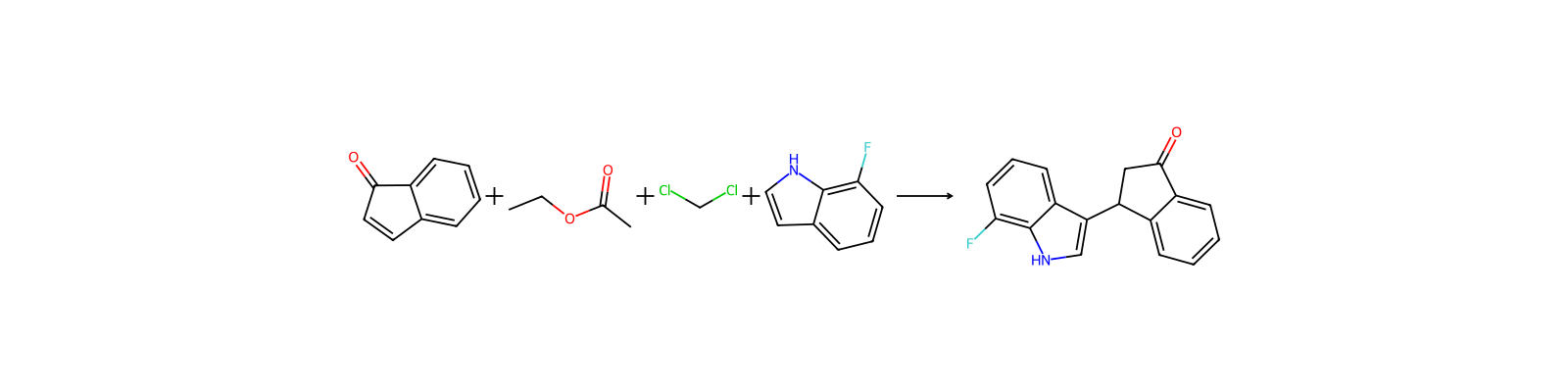
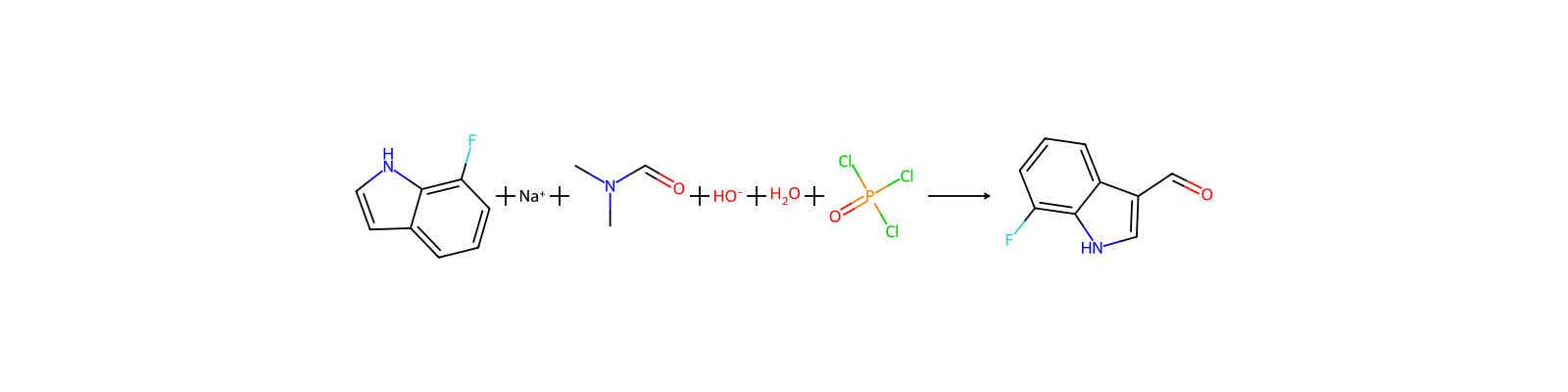
Related reactions
30 records


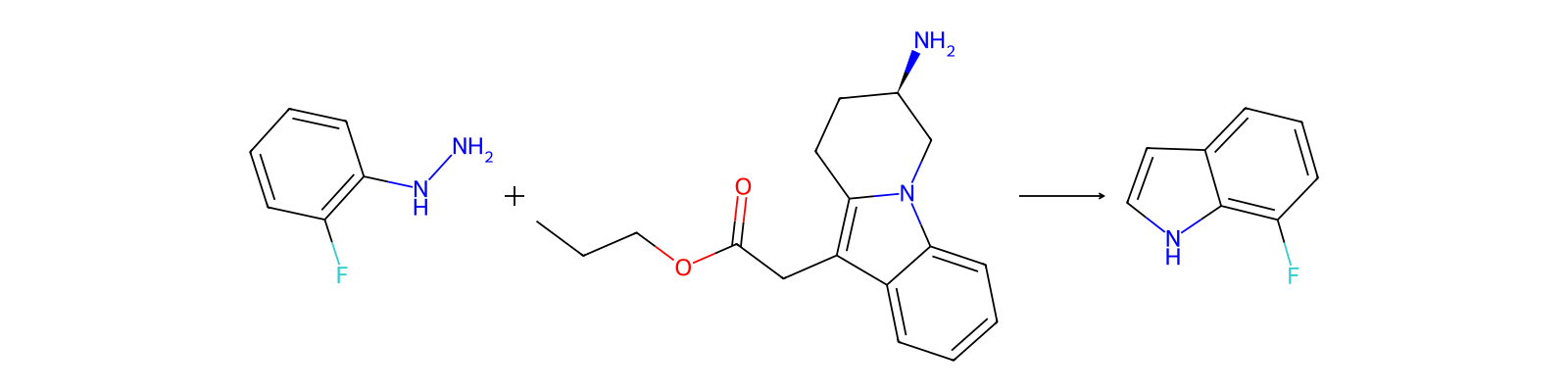
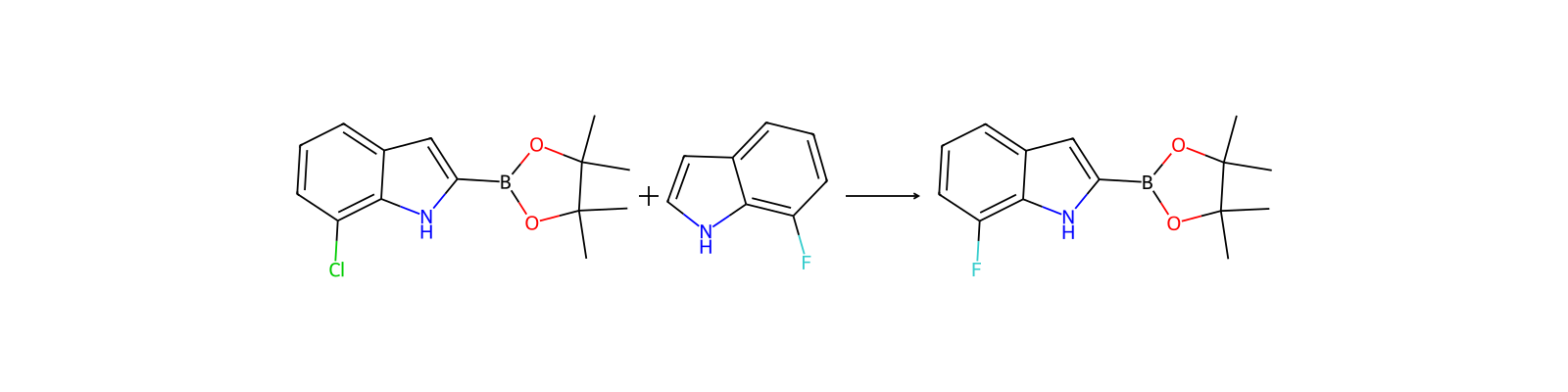
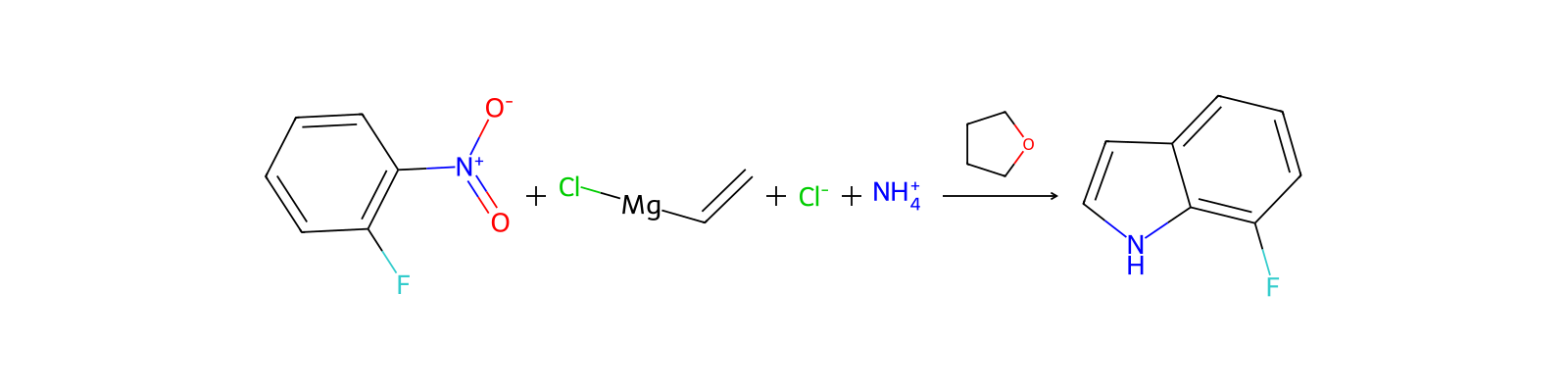
Linked notes
Loading…