Chloride

Basic information
- CAS
131500-00-0- Standard SMILES
[Cl-]- InChIKey
VEXZGXHMUGYJMC-UHFFFAOYSA-M- Molecular formula
- Cl-
- Average molar mass
- 35.45 g/mol
- Monoisotopic mass
- 34.9688527
Overview
Chloride is a halide anion formed when chlorine picks up an electron to form an an anion. It has a role as a cofactor, an Escherichia coli metabolite and a human metabolite. It is a halide anion and a monoatomic chlorine. It is a conjugate base of a hydrogen chloride.
Names & identifiers
- Preferred name
- Chloride
- IUPAC
- chloride
- English name
- .beta.-D-Galactopyranoside, 4-hydroxybutyl
- Molecular weight
- 0
Names & synonyms
chloridechloride ion16887-00-6Chloride(1-)Chloride (ion)ChloridesChloride ionsChlorine anionQ32ZN48698DTXSID6043969CHEBI:17996Ion Level, Chloride
Show more names
.beta.-D-Galactopyranoside, 4-hydroxybutyl
Level, Chloride IonChlorine-RefChem:58383DTXCID4023969690-375-2Chloride anionPerchlorideChlorine, ion
Database identifiers
- CAS
131500-00-0、139512-37-1、16887-00-6- PubChem CID
- 312
- DTXSID
DTXSID6043969- ChEBI
CHEBI:17996- UNII
- Q32ZN48698
- EC Number
- 690-375-2
- Nikkaji
- J202.845J
Properties
Computed structural properties
- XLogP
- 0.8
- Topological polar surface area
- 0 Ų
- Hydrogen bond donors
- 0
- Hydrogen bond acceptors
- 1
- Rotatable bonds
- 0
- Heavy atoms
- 1
- Formal charge
- -1
- Complexity
- 0
Experimental & physicochemical properties
Chemical ClassesMajor ion
Solubility6.3 mg/mL at 25 °C
Melting Point-101 °C
Physical DescriptionLiquid
Safety & regulation
Safety information is for reference only and does not replace the supplier’s Safety Data Sheet (SDS), applicable regulations, or professional assessment.
GHS classification
GHS Classification
Warning
H317: May cause an allergic skin reaction [Warning Sensitization, Skin]
P261, P272, P280, P302+P352, P321, P333+P317, P362+P364, and P501 (click each P-code to see the statement)
This chemical does not meet GHS hazard criteria for 100% (3 of 3) of all reports.
Not Classified
Aggregated GHS information provided per 3 reports by companies from 1 notifications to the ECHA C&L Inventory.
Hazard information
Regulatory Information
Hazard Traits - Environmental tox
Directive (EC) No 46/2002
Cadmium manganese mercury telluride (Cd0.2Mn0.04Hg0.76Te): Does not have an individual approval but may be used as a component in a product covered by a group standard. It is not approved for use as a chemical in its own right.
.beta.-D-Galactopyranoside, 4-hydroxybutyl: Does not have an individual approval but may be used under an appropriate group standard
Chloride: Does not have an individual approval but may be used as a component in a product covered by a group standard. It is not approved for use as a chemical in its own right.
Hazard Classes and Categories
Not Classified
Skin sensitisation - category 1
Skin Sens. 1
Safety & protection
Protective Action Criteria (PAC)
1.8 [ppm]
22 [ppm]
100 [ppm]
Toxicology
Chemistry & industry
Pharmacology
Metabolism/Metabolites
In humans, 88% of chloride is extracellular and contributes to the osmotic activity of body fluids. The electrolyte balance in the body is maintained by adjusting total dietary intake and by excretion via the kidneys and gastrointestinal tract. Chloride is almost completely absorbed in normal individuals, mostly from the proximal half of the small intestine. Normal fluid loss amounts to about 1.5–2 litres/day, together with about 4 g of chloride per day. Most (90– 95%) is excreted in the urine, with minor amounts in faeces (4–8%) and sweat (2%). A normal adult human body contains approximately 81.7 g chloride. On the basis of a total obligatory loss of chloride of approximately 530 mg/day, a dietary intake for adults of 9 mg of chloride per kg of body weight has been recommended.
Tissue LocationsAll Tissues
Cellular LocationsCytoplasm
Metabolite PathwaysAmiloride Action Pathway
Uses & manufacturing
UsesChloride is found in table salt as well as most foods. Chloride is an essential element or micronutrient and helps keep the body’s electrolyte balance.
Additional notes
DefinitionChEBI: Chloride is a halide anion formed when chlorine picks up an electron to form an an anion. It has a role as a human metabolite, an Escherichia coli metabolite and a cofactor. It is a halide anion and a monoatomic chlorine. It is a conjugate base of a hydrogen chloride.
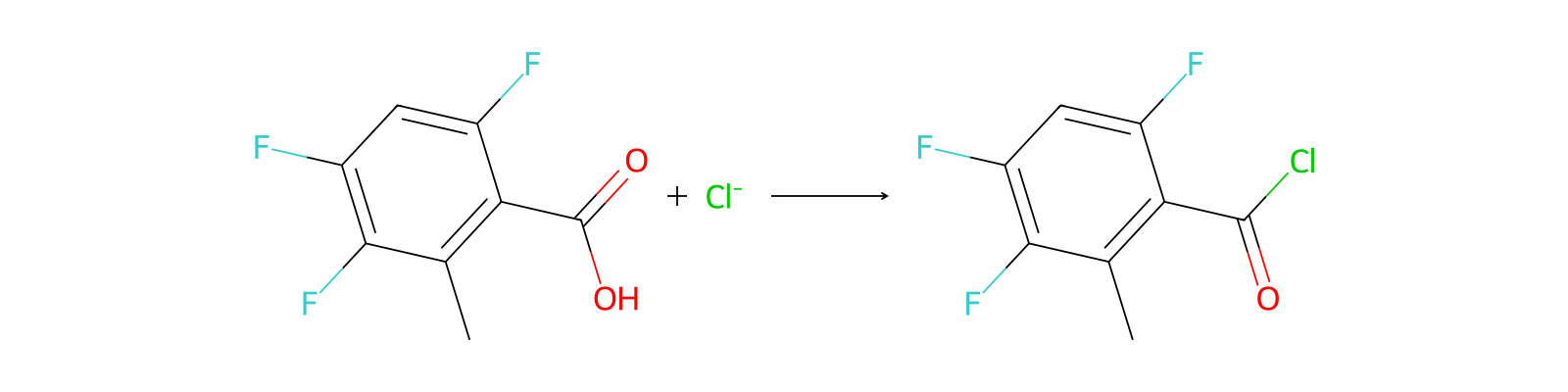
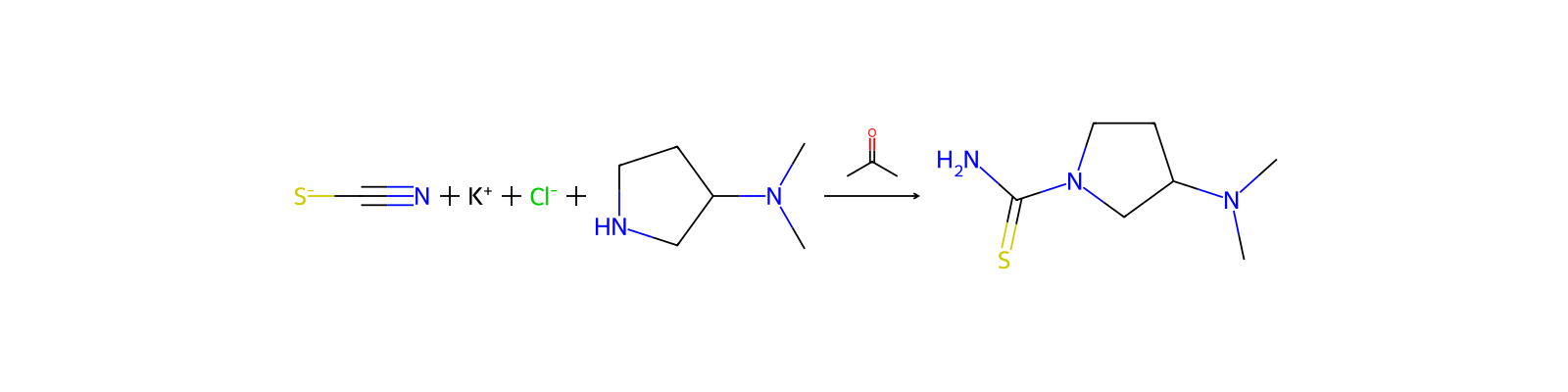
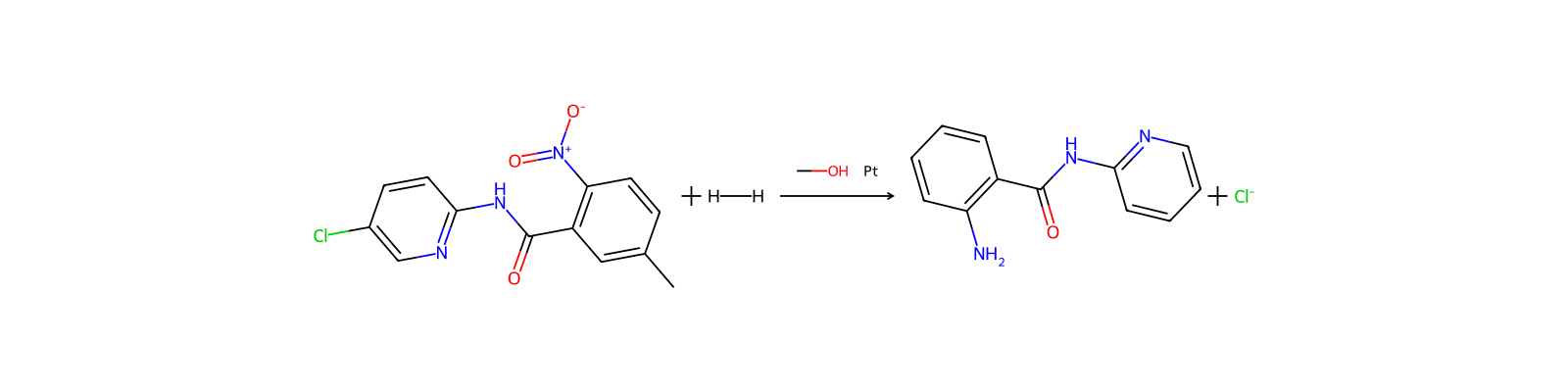
Related reactions
22,263 records




Compound notes
Loading…