
Basic information
- Standard SMILES
CCCC(CCC)C(=O)O- InChIKey
NIJJYAXOARWZEE-UHFFFAOYSA-N- Molecular formula
- C8H16O2
- Average molar mass
- 144.21 g/mol
- Monoisotopic mass
- 144.11502975
Overview
Valproate (Valproic acid) can cause developmental toxicity according to an independent committee of scientific and health experts.
Names & identifiers
- Preferred name
- Valproic Acid
- IUPAC
- 2-propylpentanoic acid
- English name
- 2-Propylpentanoic acid
- Molecular formula
- C8H16O2
- Molecular weight
- 144.21
Names & synonyms
VALPROIC ACID2-Propylpentanoic acid99-66-12-Propylvaleric acidDipropylacetic acidDepakeneDepakineMylproinDi-n-propylacetic acidPropylvaleric acidn-Dipropylacetic acid4-Heptanecarboxylic acid
Show more names
valproateVPADIVALPROEXValproic2-PropyLdepakote
Myproic AcidConvulexn-DPAAcido valproicoAcide valproiqueDi-n-propylessigsaureStavzorKyselina 2-propylvalerova
Database identifiers
- CAS
99-66-1- PubChem CID
- 3121
- DTXSID
DTXSID6023733- ChEMBL
CHEMBL109- ChEBI
CHEBI:39867- UNII
- 614OI1Z5WI
- EC Number
- 202-777-3
- Nikkaji
- J4.972G
Properties
Computed structural properties
- XLogP
- 2.8
- Topological polar surface area
- 37.3 Ų
- Hydrogen bond donors
- 1
- Hydrogen bond acceptors
- 2
- Rotatable bonds
- 5
- Heavy atoms
- 10
- Formal charge
- 0
- Complexity
- 93.4
Experimental & physicochemical properties
Drugs
Pharmaceuticals -> Listed in ZINC15
Pharmaceuticals -> NSAIDs
Pharmaceuticals -> Used in Switzerland
Pharmaceuticals
LipidsFatty Acyls [FA] -> Fatty Acids and Conjugates [FA01] -> Branched fatty acids [FA0102]
SpringerMaterials PropertiesDensity
LogP
log Kow = 2.75
2.75
2.57
OdorCharacteristic odor
Density
0.922 at 32 °F (NTP, 1992) - Less dense than water; will float
0.904 g/cu cm at 25 °C
Color/FormColorless liquid
Solubility
less than 1 mg/mL at 72 °F (NTP, 1992)
In water, 2.0X10+3 mg/L at 20 °C
Very soluble in organic solvents
Freely soluble in 1N sodium hydroxide, methanol, alcohol, acetone, chloroform, benzene, ether, n-heptane; slightly soluble in 0.1 N hydrochloric acid
2 mg/mL at 20 °C
Flash Point232 °F (NTP, 1992)
Human Drugs
Breast Feeding; Lactation; Milk, Human; Anticonvulsants; Antimanic Agents; GABA Agents
Breast Feeding; Lactation; Milk, Human; Anticonvulsants; Antimanic Agents; GABA Agents
FDA approved drugs -> Active ingredient
FDA approved drugs -> Active ingredient
Pharmaceuticals
Endocrine DisruptorsPotential endocrine disrupting compound
Boiling Point
428 °F at 760 mmHg (NTP, 1992)
219.5 °C
BP: 219 to 220 °C
222 °C
Physicochemical properties
- Melting point
- -21.25 °C · -21.25°C (estimate)
- Boiling point
- 220 °C · 220 °C (lit.)
- Density
- 0.9 g/mL · 0.9 g/mL at 25 °C (lit.)
- vapor pressure
- 0.01 hPa · 0.01 hPa (20 °C)
- refractive index
- 20 · n20/D 1.425(lit.)
- Flash point
- 232 °F · 232 °F
- storage temp.
- 30 °C · Store below +30°C.
- solubility
- 2 O: · H2O: slightly soluble
- form
- Liquid
- pka
- 4.6 · 4.6(at 25℃)
- color
- Clear colorless to pale yellow
- explosive limit
- 1 % · 1%(V)
- Odor Threshold
- 0.0033 ppm · 0.0033ppm
- Water Solubility
- slightly soluble
- Merck
- 14 · 14,9913
- BRN
- 1750447 · 1750447
- BCS Class
- 1 · 1,2
- Major Application
- pharmaceutical (small molecule)
- Cosmetics Ingredients Functions
- SKIN CONDITIONING
- InChI
- 1S/C8H16O2/c1-3-5-7(6-4-2)8(9)10/h7H,3-6H2,1-2H3,(H,9,10)
- InChIKey
- NIJJYAXOARWZEE-UHFFFAOYSA-N
- SMILES
- CCCC(C(O)=O)CCC
- LogP
- 1.59 at · 1.59 at 22.1℃ and pH5
- CAS DataBase Reference
- 99 · 99-66-1(CAS DataBase Reference)
- EWG's Food Scores
- 2 · 2
- NCI Dictionary of Cancer Terms
- Depakene; valproic acid
- FDA UNII
- 614 OI1Z5WI · 614OI1Z5WI
- NCI Drug Dictionary
- Depakote
- ATC code
- 3 AG01 · N03AG01
- Proposition 65 List
- Valproate (Valproic acid)
- NIST Chemistry Reference
- Valproic Acid(99-66-1)
- EPA Substance Registry System
- Valproic acid (99-66-1)
- UNSPSC Code
- 41116107 · 41116107
- NACRES
- 25 · NA.25
- Symbol(GHS)
- 7 · GHS07,GHS08
- Signal word
- Danger
- Hazard statements
- 302 · H302-H315-H319-H360D
- Precautionary statements
- 201 · P201-P301+P312+P330-P302+P352-P305+P351+P338-P308+P313
- Hazard Codes
- Xn,T,F
- Risk Statements
- 22 · 22-36/37/38-39/23/24/25-23/24/25-11-34-61
- Safety Statements
- 26 · 26-45-36/37-16-7-36/37/39-53
- RIDADR
- 1230 · UN 1230 3/PG 2
- WGK Germany
- 3 · 3
- RTECS
- 7875000 · YV7875000
- HazardClass
- 8 · 8
- PackingGroup
- III
- HS Code
- 29159080 · 29159080
- Storage Class
- 6.1 C · 6.1C - Combustible acute toxic Cat.3toxic compounds or compounds which causing chronic effects
- Hazard Classifications
- 4 OralEye · Acute Tox. 4 OralEye Dam. 1Repr. 1ASkin Irrit. 2
- Hazardous Substances Data
- 99 · 99-66-1(Hazardous Substances Data)
- Toxicity
- 50 orally · LD50 orally in rats: 670 mg/kg (Jenner)
- REACH Registrations
- Active
Safety & regulation
GHS classification
GHS Classification
Danger
H302 (100%): Harmful if swallowed [Warning Acute toxicity, oral]
P203, P261, P264, P264+P265, P270, P271, P280, P301+P317, P302+P352, P304+P340, P305+P351+P338, P305+P354+P338, P317, P318, P319, P321, P330, P332+P317, P337+P317, P362+P364, P403+P233, P405, and P501 (click each P-code to see the statement)
Aggregated GHS information provided per 126 reports by companies from 17 notifications to the ECHA C&L Inventory. Each notification may be associated with multiple companies.
Danger
H302: Harmful if swallowed [Warning Acute toxicity, oral]
Hazard information
Regulatory Information
Chemical: Pentanoic acid, 2-propyl-
Hazard Traits - Developmental Toxicity
Commission Regulation (EC) No 1565/2000 (Repealed by Com. Implementing Reg. (EU) No 872/2012)
Status: Active Update: 11-04-2019 https://echa.europa.eu/registration-dossier/-/registered-dossier/14340
2-Propylvaleric acid: Does not have an individual approval but may be used under an appropriate group standard
Other Safety InformationEvaluation - Chemicals that are unlikely to require further regulation to manage risks to environment
Fire HazardsThis chemical is combustible. (NTP, 1992)
Health Hazards
SYMPTOMS: Symptoms of exposure to this compound may include gastrointestinal disturbances, hair loss, psychosis, altered bleeding time, altered liver enzymes and fatal hepatic failure. Other symptoms may include central nervous system depression, nausea, vomiting, indigestion, diarrhea, abdominal cramps, constipation, anorexia with weight loss, increased appetite with weight gain, tremor, ataxia, headache, nystagmus, diplopia, asterixis, spots before the eyes, dysarthria, dizziness, incoordination, coma, skin rash, erythema multiforme, generalized pruritus, emotional upset, depression, hyperactivity, behavioral deterioration, weakness, thrombocytopenia, petechiae, bruising, hematoma formation, frank hemorrhage, relative lymphocytosis, hypofibrinogenemia, leukopenia, eosinophilia, anemia, bone marrow suppression, irregular menses, secondary amenorrhea and breast enlargement. Changes in exocrine pancreas and sleep disturbances may also occur. It may also cause somnolence.
FDA Requirements
The Approved Drug Products with Therapeutic Equivalence Evaluations identifies currently marketed prescription drug products, including valproic acid, approved on the basis of safety and effectiveness by FDA under sections 505 of the Federal Food, Drug, and Cosmetic Act.
Reactive GroupAcids, Carboxylic
Special Reports
Kitsiou-Tzeli S, et al; Acta Paed 83 (6): 672-3 (1994). Cytogenetic studies in children on long term treatment with anticonvulsant therapy.
Galas-Zgorzalewicz B, et al; Neurol Neurochir Pol 30 (2): 49-54 (1996). Clinical pharmacokinetics of carbamazepine and valproate in children and adolescents with epilepsy.
Levin TL, et al; Pediatr Radiol 27 (2): 192-3 (1997). Valproic acid associated pancreatitis and hepatic toxicity in children with endstage renal disease.
Reactivity Profile
VALPROIC ACID is a carboxylic acid. Carboxylic acids donate hydrogen ions if a base is present to accept them. They react in this way with all bases, both organic (for example, the amines) and inorganic. Their reactions with bases, called "neutralizations", are accompanied by the evolution of substantial amounts of heat. Neutralization between an acid and a base produces water plus a salt. Carboxylic acids with six or fewer carbon atoms are freely or moderately soluble in water; those with more than six carbons are slightly soluble in water. Soluble carboxylic acid dissociate to an extent in water to yield hydrogen ions. The pH of solutions of carboxylic acids is therefore less than 7.0. Many insoluble carboxylic acids react rapidly with aqueous solutions containing a chemical base and dissolve as the neutralization generates a soluble salt. Carboxylic acids in aqueous solution and liquid or molten carboxylic acids can react with active metals to form gaseous hydrogen and a metal salt. Such reactions occur in principle for solid carboxylic acids as well, but are slow if the solid acid remains dry. Even "insoluble" carboxylic acids may absorb enough water from the air and dissolve sufficiently in it to corrode or dissolve iron, steel, and aluminum parts and containers. Carboxylic acids, like other acids, react with cyanide salts to generate gaseous hydrogen cyanide. The reaction is slower for dry, solid carboxylic acids. Insoluble carboxylic acids react with solutions of cyanides to cause the release of gaseous hydrogen cyanide. Flammable and/or toxic gases and heat are generated by the reaction of carboxylic acids with diazo compounds, dithiocarbamates, isocyanates, mercaptans, nitrides, and sulfides. Carboxylic acids, especially in aqueous solution, also react with sulfites, nitrites, thiosulfates (to give H2S and SO3), dithionites (SO2), to generate flammable and/or toxic gases and heat. Their reaction with carbonates and bicarbonates generates a harmless gas (carbon dioxide) but still heat. Like other organic compounds, carboxylic acids can be oxidized by strong oxidizing agents and reduced by strong reducing agents. These reactions generate heat. A wide variety of products is possible. Like other acids, carboxylic acids may initiate polymerization reactions; like other acids, they often catalyze (increase the rate of) chemical reactions. This chemical is incompatible with bases, oxidizing agents and reducing agents. It is corrosive. (NTP, 1992).
Air and Water ReactionsInsoluble in water.
Hazard Classes and Categories
Acute Tox. 4 (100%)
Acute toxicity (Oral) - Category 4
Safety & protection
Fire FightingFires involving this material can be controlled with a dry chemical, carbon dioxide or Halon extinguisher. (NTP, 1992)
First Aid
EYES: First check the victim for contact lenses and remove if present. Flush victim's eyes with water or normal saline solution for 20 to 30 minutes while simultaneously calling a hospital or poison control center. Do not put any ointments, oils, or medication in the victim's eyes without specific instructions from a physician. IMMEDIATELY transport the victim after flushing eyes to a hospital even if no symptoms (such as redness or irritation) develop.
Storage Conditions
Store between 15 and 30 °C (59 and 86 °F), in a tight container. /Valproic Acid Capsules USP/
Store below 40 °C (104 °F), preferably between 15 and 30 °C (59 and 86 °F), unless otherwise specified by manufacturer. Store in a tight container. Protect from freezing. /Valproic Acid Syrup USP/
Nonfire Spill Response
SMALL SPILLS AND LEAKAGE: If you spill this chemical, FIRST REMOVE ALL SOURCES OF IGNITION. Then, use absorbent paper to pick up all liquid spill material. Your contaminated clothing and absorbent paper should be sealed in a vapor-tight plastic bag for eventual disposal. Solvent wash all contaminated surfaces with 60-70% ethanol followed by washing with a soap and water solution. Do not reenter the contaminated area until the Safety Officer (or other responsible person) has verified that the area has been properly cleaned.
Disposal Methods
SRP: Expired or waste pharmaceuticals shall carefully take into consideration applicable DEA, EPA, and FDA regulations. It is not appropriate to dispose by flushing the pharmaceutical down the toilet or discarding to trash. If possible return the pharmaceutical to the manufacturer for proper disposal being careful to properly label and securely package the material. Alternatively, the waste pharmaceutical shall be labeled, securely packaged and transported by a state licensed medical waste contractor to dispose by burial in a licensed hazardous or toxic waste landfill or incinerator.
SRP: At the time of review, criteria for land treatment or burial (sanitary landfill) disposal practices are subject to significant revision. Prior to implementing land disposal of waste residue (including waste sludge), consult with environmental regulatory agencies for guidance on acceptable disposal practices.
Personal Protective Equipment (PPE)
RECOMMENDED RESPIRATOR: Where the neat test chemical is weighed and diluted, wear a NIOSH-approved half face respirator equipped with an organic vapor/acid gas cartridge (specific for organic vapors, HCl, acid gas and SO2) with a dust/mist filter. (NTP, 1992)
Toxicology
Treatment
In case of acute oral exposure, administer charcoal as a slurry. Consider gastric lavage after ingestion of a potentially life-threatening amount of the compound if it can be performed soon after ingestion (generally within 1 hour). Protect the patient’s airway by placement in Trendelenburg position (head down) and on their left side (left lateral decubitus position) or by endotracheal intubation. Control any seizures first. Some experimental and clinical data suggest that early intravenous supplementation with l-carnitine could improve survival in severe VPA-induced hepatotoxicity. Carnitine administration has been shown to speed the decrease of ammonemia in patients with VPA-induced encephalopathy. As it does not appear to be harmful, l-carnitine is commonly recommended in severe VPA poisoning, especially in children (A15080). In case of inhalation, move patient to fresh air, monitor for respiratory distress. If the exposure occurred via eye contact, irrigate exposed eyes with copious amounts of room temperature water for at least 15 minutes. Remove contaminated clothing and wash exposed area thoroughly with soap and water if the exposure occurred via dermal contact. (T36).
Interactions
Administration of a single oral 50 mg dose of amitriptyline to 15 normal volunteers (10 males and 5 females) who received valproate (500 mg BID) resulted in a 21% decrease in plasma clearance of amitriptyline and a 34% decrease in the net clearance of nortriptyline. Rare postmarketing reports of concurrent use of valproate and amitriptyline resulting in an increased amitriptyline level have been received. Concurrent use of valproate and amitriptyline has rarely been associated with toxicity. Monitoring of amitriptyline levels should be considered for patients taking valproate concomitantly with amitriptyline. Consideration should be given to lowering the dose of amitriptyline/nortriptyline in the presence of valproate.
A clinically significant reduction in serum valproic acid concentration has been reported in patients receiving carbapenem antibiotics (for example, ertapenem, imipenem, meropenem; this is not a complete list) and may result in loss of seizure control. The mechanism of this interaction is not well understood. Serum valproic acid concentrations should be monitored frequently after initiating carbapenem therapy. Alternative antibacterial or anticonvulsant therapy should be considered if serum valproic acid concentrations drop significantly or seizure control deteriorates...
Serum levels of carbamazepine (CBZ) decreased 17% while that of carbamazepine-10,11-epoxide (CBZ-E) increased by 45% upon co-administration of valproate and CBZ to epileptic patients.
A study involving the co-administration of 1200 mg/day of felbamate with valproate to patients with epilepsy (n = 10) revealed an increase in mean valproate peak concentration by 35% (from 86 to 115 mcg/mL) compared to valproate alone. Increasing the felbamate dose to 2400 mg/day increased the mean valproate peak concentration to 133 mcg/mL (another 16% increase). A decrease in valproate dosage may be necessary when felbamate therapy is initiated.
For more Interactions (Complete) data for VALPROIC ACID (61 total), please visit the HSDB record page.
Health Effects
Valproic acid causes hyperammonemia, which can lead to brain damage. Rarely, it can cause blood dyscrasia, impaired liver function, jaundice, thrombocytopenia, and prolonged coagulation times. In about 5% of pregnant users, valproic acid will cross the placenta and cause congenital anomalies. Valproic acid may also cause acute hematological toxicities, especially in children, including rare reports of myelodysplasia and acute leukemia-like syndrome (L1132). May cause a potentially dangerous rash that may develop into Stevens Johnson syndrome, an extremely rare but potentially fatal skin disease. Acute overdoses of VPA can lead to hypo/hyperthermia, tachycardia, hypotension, respiratory depression, coma, confusion, somnolence, dizziness, headaches and cerebral edema. Extended use of VPA can cause hepatotoxicity. Allopecia, anorexia, renal failure, tremors and miosis are also associated with chronic toxicity. VPA is a known teratogen (due to folate antagonism). The teratogenicity of VPA is mostly found at genetic and somatic levels, causing teratogenesis involving neural tube defects (NTDs), anencephaly, lumbosacral meningomyelocele, and leg dysfunction due to spina bifida aperta.
Ecotoxicity Values
EC50; Species: Xenopus laevis (African clawed frog, embryo); Conditions: freshwater, renewal, pH 7.0-7.8; Concentration: 30500 ug/L for 96 hr (95% confidence interval: 28000-33000 ug/L); Effect: general developmental changes, craniofacial defects, abnormal gut coiling /> or =98% purity/
LC50; Species: Xenopus laevis (African clawed frog, embryo); Conditions: freshwater, renewal, pH 7.0-7.8; Concentration: 851700 ug/L for 96 hr (95% confidence interval: 818000-882000 ug/L) /> or =98% purity/
Environmental Fate
TERRESTRIAL FATE: Based on a classification scheme(1), an estimated Koc value of 47(SRC), determined from a log Kow of 2.75(2) and a regression-derived equation(3), indicates that valproic acid is expected to have very high mobility in soil(SRC). The pKa of valproic acid is 4.60(4), indicating that this compound will exist almost entirely in the anion form in the environment and anions generally do not adsorb more strongly to soils containing organic carbon and clay than their neutral counterparts(5). Volatilization from moist soil is not expected because the compound exists as an anion and anions do not volatilize. Valproic acid is not expected to volatilize from dry soil surfaces(SRC) based upon an estimated vapor pressure of 8.5X10⁻² mm Hg at 25 °C(SRC), determined from a fragment constant method(3). Biodegradation data in soil were not available(SRC, 2014).
AQUATIC FATE: Based on a classification scheme(1), an estimated Koc value of 47(SRC), determined from a log Kow of 2.75(2) and a regression-derived equation(3), indicates that valproic acid is not expected to adsorb to suspended solids and sediment(SRC). A pKa of 4.60(4) indicates valproic acid will exist almost entirely in the anion form at pH values of 5 to 9 and, therefore, volatilization from water surfaces is not expected to be an important fate process(SRC). According to a classification scheme(5), an estimated BCF of 3(SRC), from its log Kow(2) and a regression-derived equation(3), suggests the potential for bioconcentration in aquatic organisms is low(SRC). Biodegradation data in water were not available(SRC, 2014).
ATMOSPHERIC FATE: According to a model of gas/particle partitioning of semivolatile organic compounds in the atmosphere(1), valproic acid, which has an estimated vapor pressure of 8.5X10⁻² mm Hg at 25 °C(SRC), determined from a fragment constant method(2), is expected to exist solely as a vapor in the ambient atmosphere. Vapor-phase valproic acid is degraded in the atmosphere by reaction with photochemically-produced hydroxyl radicals(SRC); the half-life for this reaction in air is estimated to be 17 hours(SRC), calculated from its rate constant of 8.2X10⁻¹² cu cm/molecule-sec at 25 °C(SRC) that was derived using a structure estimation method(3). Valproic acid does not contain chromophores that absorb at wavelengths >290 nm(4) and, therefore, is not expected to be susceptible to direct photolysis by sunlight(SRC).
Adverse EffectsCommon Adverse Effects of Valproic Acid
Exposure Routes
Inhalation. Rapid absorption from gastrointestinal tract. Although the rate of valproate ion absorption may vary with the formulation administered (liquid, solid, or sprinkle), conditions of use (e.g., fasting or postprandial) and the method of administration (e.g., whether the contents of the capsule are sprinkled on food or the capsule is taken intact), these differences should be of minor clinical importance under the steady state conditions achieved in chronic use in the treatment of epilepsy. Food has a greater influence on the rate of absorption of the Depakote tablet (increases Tmax from 4 to 8 hours) than on the absorption of Depakote sprinkle capsules (increase Tmax from 3.3 to 4.8 hours). Furthermore, studies suggest that total daily systemic bioavailability (extent of absorption) is the primary determinant of seizure control.
Milk Concentrations
Valproic acid and its salt, sodium valproate, are excreted into human milk in low concentrations. Milk concentrations up to 15% of the corresponding level in the mother's serum have been measured. In two infants, serum levels of valporate were 1.5% and 6.0% of maternal values.
EXPERIMENTAL: Valproate is distributed into breast milk. Concentrations in breast milk have been reported to be 1 to 10% of the total maternal serum concentration. /Valproate/
Toxicity Summary
IDENTIFICATION AND USE: Valproic acid is a colorless to pale yellow viscous liquid. Valproic acid is an antiepileptic drug and is used solely or in combination with other anticonvulsants in the treatment of simple (petit mal) and complex absence seizures. Valproic acid may be effective against myoclonic and atonic seizures in young children. HUMAN EXPOSURE AND TOXICITY: After oral administration, the drug is rapidly absorbed from the gastrointestinal tract and metabolized in the liver. Fatal hepatic failure has been reported in patients on valproic acid therapy, especially those on chronic use. Pancreatitis has also been reported in patients receiving normal therapeutic dosage. Reports showed that acute toxicity is rare, and usually follows a benign course. The most commonly reported adverse effects are anorexia, nausea and vomiting. Central nervous system effects include drowsiness, possibly apathy and withdrawal, confusion, restlessness, hyperactivity. Less frequently, seizures and coma may occur. Sedative effects are more pronounced when drug is used together with other anti-epileptic agents. Hematopoietic system effects include thrombocytopenia, abnormal bleeding time and partial thromboplastin time with decreased fibrinogen levels and prolonged prothrombin time leading to bruising, petechiae, hematoma, and epistaxis. The drug can induce pruritic macular rashes and transient alopecia. Altered thyroid functions was described. Death is rare but if it occurs it results from cardiopulmonary arrest secondary to hepatic failure. Safe use of valproic acid during pregnancy has not been established. Although several reports suggest an association between the use of valproic acid in pregnant epileptic women and an increased incidence of birth defects (particularly neural tube defects) in children born to these women, a causal relationship remains to be established. The drug crosses the placental barrier and has been found in breast milk. The mechanism of action of valproic acid is unknown. Effects of the drug may be related, at least in part, to increased brain concentrations of the inhibitory neurotransmitter GABA. ANIMAL STUDIES: Animal studies have shown that valproic acid inhibits GABA transferase and succinic aldehyde dehydrogenase, enzymes which are important for GABA catabolism. Results of one study indicate the drug inhibits neuronal activity by increasing potassium conductance. In animals, valproic acid protects against seizure induced by electrical stimulation, as well as those induced by pentylenetetrazol. In 2 year rat and chronic mouse studies, an increased incidence of subcutaneous fibrosarcoma occurred in male rats at the higher dosage level and a dose related trend for an increased incidence of benign pulmonary adenomas was observed in male mice. The importance of these findings to humans is not known. Adverse fetal effects have been observed in reproduction studies in rats and mice. Studies have not shown any evidence of mutagenic potential for the drug.
Acute VPA toxicity can lead to central nervous system (CNS) depression, metabolic acidosis, hypernatremia, hypoglycemia, hyperammonemia, hepatotoxicity, pancreatitis, or multiorgan failure.
Valproic Acid binds to and inhibits GABA transaminase. This leads to increased brain concentrations of gamma-aminobutyric acid (GABA), an inhibitory neurotransmitter in the CNS. Acute poisoning by VPA can lead to severe CNS depression including coma, confusion, somnolence, dizziness or hallucinations. Hypotension, respiratory depression and hypo/hyperthermia are also common. VPA is also hepatotoxic, which is likely due to its mitochondrial toxicity. VPA appears to exert its mitochondrial toxicity by impairing mitochondrial functions leading to oxidative stress and cytochrome c expulsion, which leads to apoptosis (A15078). VPA is contraindicated in pregnancy due to its teratogenicity. VPA is a known folate antagonist, which can cause neural tube defects in developing fetuses. Thus, folic acid supplements in pregnant women may alleviate teratogenic problems associated with VPA use. VPA and its metabolites inhibit the biosynthesis of carnitine by decreasing the concentration of alpha-ketoglutarate (through direct inhibition of alpha-ketoglutarate dehydrogenase) and may contribute to carnitine deficiency. It is postulated that carnitine supplementation may increase the beta-oxidation of VPA, thereby limiting cytosolic omega-oxidation and the production of toxic metabolites that are involved in liver toxicity and ammonia accumulation. VPA-induced hepatotoxicity and hyperammonemic encephalopathy may be promoted either by a pre-existing carnitine deficiency or by deficiency induced by VPA per se. VPA has been shown to downregulate levels of superoxide dismutase (SOD), glutathione (GSH), histone deacetylase (HDAC) and folate. It has also been shown to upregulate H2O2 and homocysteine. Elevated levels of H2O2 negatively affect the NADPH reducing system for dihydrofolate reductase (DHFR) and methylene tetrahydrofolate reductase (MTHFR) (A15079).
Signs and Symptoms
Acute toxicity symptoms include hypo/hyperthermia, tachycardia, hepatic toxicity, hypotension, respiratory depression, coma, confusion, somnolence, dizziness, headaches and cerebral edema. Allopecia, anorexia, liver toxicity, renal failure, tremors and miosis are also associated with chronic toxicity.
Ongoing Test Status
The following link will take the user to the National Toxicology Program (NTP) Test Agent Search Results page, which tabulates all of the "Standard Toxicology & Carcinogenesis Studies", "Developmental Studies", and "Genetic Toxicity Studies" performed with this chemical. Clicking on the "Testing Status" link will take the user to the status (i.e., in review, in progress, in preparation, on test, completed, etc.) and results of all the studies that the NTP has done on this chemical.[Available from, as of November 12, 2014: http://ntp-apps.niehs.nih.gov/ntp_tox/index.cfm?fuseaction=ntpsearch.searchresults&searchterm=99-66-1]
EPA has released the first beta version (version 0.5) of the Interactive Chemical Safety for Sustainability (iCSS) Dashboard. The beta version of the iCSS Dashboard provides an interactive tool to explore rapid, automated (or in vitro high-throughput) chemical screening data generated by the Toxicity Forecaster (ToxCast) project and the federal Toxicity Testing in the 21st century (Tox21) collaboration. /The title compound was tested by ToxCast and/or Tox21 assays; Click on the "Chemical Explorer" button on the tool bar to see the data./[USEPA; ICSS Dashboard Application; Available from, as of June 27, 2014: http://actor.epa.gov/dashboard/]
Effluent ConcentrationsValproic acid has a predicted environmental concentration of 4.92 ng/L in wastewater effluent as a result of a nationwide survey conducted in Spain in 2009. Its occurrence in the aquatic environment was estimated at 229.80 kg/yr(1).
Regulatory information
FDA Requirements
The Approved Drug Products with Therapeutic Equivalence Evaluations identifies currently marketed prescription drug products, including valproic acid, approved on the basis of safety and effectiveness by FDA under sections 505 of the Federal Food, Drug, and Cosmetic Act.
Safety data
- wgk
- 3
- rtecs
- YV7875000
- ridadr
- UN 1230 3/PG 2
- hs_code
- 29159080
- Toxicity
- LD50 orally in rats: 670 mg/kg (Jenner)
- risk_code
- 22-36/37/38-39/23/24/25-23/24/25-11-34-61
- Signal word
- Danger
- Symbol(GHS)
- GHS07,GHS08
- hazard_code
- Xn,T,F
- safety_code
- 26-45-36/37-16-7-36/37/39-53
- hazard_class
- 8
- Storage Class
- 6.1C - Combustible acute toxic Cat.3toxic compounds or compounds which causing chronic effects
- packing_group
- III
- Hazard statements
- H302-H315-H319-H360D
- REACH Registrations
- Active
- Hazard Classifications
- Acute Tox. 4 OralEye Dam. 1Repr. 1ASkin Irrit. 2
- Precautionary statements
- P201-P301+P312+P330-P302+P352-P305+P351+P338-P308+P313
- Hazardous Substances Data
- 99-66-1(Hazardous Substances Data)
Chemistry & industry
Pharmacology
ATC Code
N03AG01
N - Nervous system
QN - Nervous system
Protein Binding
Protein binding is linear at low concentrations with a free fraction of approximately 10% at 40 mcg/mL but becomes non-linear at higher concentrations with a free fraction of 18.5% at 135 mcg/mL. This may be due to binding at separate high and low-affinity sites on albumin proteins. Binding is expected to decrease in the elderly and patients with hepatic dysfunction.
Pharmacodynamics
Valproate has been shown to reduce the incidence of complex partial seizures and migraine headaches. It also improves symptom control in bipolar mania. Although the exact mechanisms responsible are unknown, it is thought that valproate produces increased cortical inhibition to contribute to control of neural synchrony. It is also thought that valproate exerts a neuroprotective effect preventing damage and neural degeneration in epilepsy, migraines, and bipolar disorder. Valproate is hepatotoxic and teratogenic. The reasons for this are unclear but have been attributed to the genomic effects of the drug. A small proof-of concept study found that valproate increases clearance of human immunodeficiency virus (HIV) when combined with highly active antiretroviral therapy (HAART) by reactivating the virus to allow clearance, however, a larger multicentre trial failed to show a significant effect on HIV reservoirs when added to HAART. The FDA labeling contains a warning regarding HIV reactivation during valproate use..
Mechanism of Action
The exact mechanisms by which valproate exerts it's effects on epilepsy, migraine headaches, and bipolar disorder are unknown however several pathways exist which may contribute to the drug's action. Valproate is known to inhibit succinic semialdehyde dehydrogenase. This inhibition results in an increase in succinic semialdehyde which acts as an inhibitor of GABA transaminase ultimately reducing GABA metabolism and increasing GABAergic neurotransmission. As GABA is an inhibitory neurotransmitter, this increase results in increased inhibitory activity. A possible secondary contributor to cortical inhibition is a direct suppression of voltage gated sodium channel activity and indirect suppression through effects on GABA. It has also been suggested that valproate impacts the extracellular signal-related kinase pathway (ERK). These effects appear to be dependent on mitogen-activated protein kinase (MEK) and result in the phosphorylation of ERK1/2. This activation increases expression of several downstream targets including ELK-1 with subsequent increases in c-fos, growth cone-associated protein-43 which contributes to neural plasticity, B-cell lymphoma/leukaemia-2 which is an anti-apoptotic protein, and brain-derived neurotrophic factor (BDNF) which is also involved in neural plasticity and growth. Increased neurogenesis and neurite growth due to valproate are attributed to the effects of this pathway. An additional downstream effect of increased BDNF expression appears to be an increase in GABA<sub>A</sub> receptors which contribute further to increased GABAergic activity. Valproate exerts a non-competitive indirect inhibitory effect on myo-inosital-1-phophate synthetase. This results in reduced de novo synthesis of inositol monophosphatase and subsequent inositol depletion. It is unknown how this contributed to valproate's effects on bipolar disorder but [lithium] is known to exert a similar inositol-depleting effect. Valproate exposure also appears to produce down-regulation of protein kinase C proteins (PKC)-α and -ε which are potentially related to bipolar disorder as PKC is unregulated in the frontal cortex of bipolar patients. This is further supported by a similar reduction in PKC with lithium. The inhibition of the PKC pathway may also be a contributor to migraine prophylaxis. Myristoylated alanine-rich C kinase substrate, a PKC substrate, is also downregulated by valproate and may contribute to changes in synaptic remodeling through effects on the cytoskeleton. Valproate also appears to impact fatty acid metabolism. Less incorporation of fatty acid substrates in sterols and glycerolipids is thought to impact membrane fluidity and result in increased action potential threshold potentially contributing to valproate's antiepileptic action. Valproate has been found to be a non-competitive direct inhibitor of brain microsomal long-chain fatty acyl-CoA synthetase. Inhibition of this enzyme decreases available arichidonyl-CoA, a substrate in the production of inflammatory prostaglandins. It is thought that this may be a mechanism behind valproate's efficacy in migraine prophylaxis as migraines are routinely treated with non-steroidal anti-inflammatory drugs which also inhibit prostaglandin production. Finally, valproate acts as a direct histone deactylase (HDAC) inhibitor. Hyperacetylation of lysine residues on histones promoted DNA relaxation and allows for increased gene transcription. The scope of valproate's genomic effects is wide with 461 genes being up or down-regulated. The relation of these genomic effects to therapeutic value is not fully characterized however H3 and H4 hyperacetylation correlates with improvement of symptoms in bipolar patients. Histone hyperacetylation at the BDNF gene, increasing BDNF expression, post-seizure is known to occur and is thought to be a neuroprotective mechanism which valproate may strengthen or prolong. H3 hyperacetylation is associated with a reduction in glyceraldehyde-3-phosphate dehydrogenase, a pro-apoptotic enzyme, contributing further to valproate's neuroprotective effects.
Valproic acid (VPA), a widely prescribed drug for seizures and bipolar disorder, has been shown to be an inhibitor of histone deacetylase (HDAC). /A/ previous study has demonstrated that VPA pretreatment reduces lipopolysaccharide (LPS)-induced dopaminergic (DA) neurotoxicity through the inhibition of microglia over-activation. The aim of this study was to determine the mechanism underlying VPA-induced attenuation of microglia over-activation using rodent primary neuron/glia or enriched glia cultures. Other histone deacetylase inhibitors (HDACIs) were compared with VPA for their effects on microglial activity. We found that VPA induced apoptosis of microglia cells in a time- and concentration-dependent manner. VPA-treated microglial cells showed typical apoptotic hallmarks including phosphatidylserine externalization, chromatin condensation and DNA fragmentation. Further studies revealed that trichostatin A (TSA) and sodium butyrate (SB), two structurally dissimilar HDACIs, also induced microglial apoptosis. The apoptosis of microglia was accompanied by the disruption of mitochondrial membrane potential and the enhancement of acetylation levels of the histone H3 protein. Moreover, pretreatment with SB or TSA caused a robust decrease in LPS-induced pro-inflammatory responses and protected DA neurons from damage in mesencephalic neuron-glia cultures. Taken together, /these/ results shed light on a novel mechanism whereby HDACIs induce neuroprotection and underscore the potential utility of HDACIs in preventing inflammation-related neurodegenerative disorders such as Parkinson's disease.
Several reports suggest putative interactions between valproic acid (VPA) treatment and the hypothalamus-pituitary-adrenal axis. Given that VPA alters mitochondrial functions, an action of this drug on a mitochondrial process such as steroid synthesis in adrenal cells should be expected. In order to disclose a putative action of VPA on the adrenocortical cell itself /this study/ evaluated VPA effects on regulatory steps of the acute stimulation of steroidogenesis in Y1 adrenocortical cells. This study demonstrates that VPA increases progesterone production in non-stimulated cells without inducing the levels of Steroidogenic Acute Regulatory (StAR) protein, which facilitates cholesterol transport. This result suggests that VPA increases mitochondrial cholesterol transport through a StAR-independent mechanism and is further supported by the fact that in isolated mitochondria VPA stimulates exogenous cholesterol metabolization to progesterone. VPA also reduces the cAMP-mediated increase of the StAR protein, mRNA levels, promoter activity and progesterone production. In summary, the present data show that VPA can alter steroid production in adrenal cells by a complex mechanism that mainly involves an action on cholesterol access to the inner mitochondrial membrane. The VPA-mediated increase of basal steroidogenesis could be linked to the increase of basal cortisolemia described in patients under VPA treatment.
Although valproic acid (VPA) a proven anticonvulsant agent thought to have relatively few side-effects VPA has been referred as the third most common xenobiotic suspected of causing death due to liver injury. In this study the cellular pathways involved in VPA hepatotoxicity were investigated in isolated rat hepatocytes. Accelerated cytotoxicity mechanism screening (ACMS) techniques using fluorescent probes including, ortho-phthalaldehyde, rhodamine 123 and acridine orange were applied for measurement of ROS formation, glutathione depletion, mitochondrial membrane potential and Lysosomal membrane damage, respectively. /This studies/ results showed that cytotoxic action of VPA is mediated by lysosomal membrane leakiness along with reactive oxygen species (ROS) formation and decline of mitochondrial membrane potential before cell lysis ensued. Incubation of hepatocytes with VPA also caused rapid hepatocyte glutathione (GSH) depletion which is another marker of cellular oxidative stress. Most of the VPA induced GSH depletion could be attributed to the expulsion of GSSG. /These/ results also showed that CYP2EI is involved in the mechanism of VPA cytotoxicity. /It is concluded/ VPA hepatotoxicity is a result of metabolic activation by CYP2E1 and ROS formation, leading to lysosomal labialization, mitochondrial/lysosomal toxic cross-talk and finally general cellular proteolysis in the rat hepatocytes.
In utero exposure to valproic acid (VPA), a histone deacetylase (HDAC) inhibitor, causes neural tube, heart, and limb defects. Valpromide (VPD), the amide derivative of VPA, does not inhibit HDAC activity and is a weak teratogen in vivo. The detailed mechanism of action of VPA as a teratogen is not known. The goal of this study was to test the hypothesis that VPA disrupts regulation of the expression of genes that are critical in chondrogenesis and osteogenesis during limb development. Murine gestation day-12 embryonic forelimbs were excised and exposed to VPA or VPD in a limb bud culture system. VPA caused a significant concentration- dependent increase in limb abnormalities, which was correlated with its HDAC inhibitory effect. The signaling of both Sox9 and Runx2, key regulators of chondrogenesis, was downregulated by VPA. In contrast, VPD had little effect on limb morphology and no significant effect on HDAC activity or the expression of marker genes. Thus, VPA exposure dysregulated the expression of target genes directly involved in chondrogenesis and osteogenesis in the developing limb. Disturbances in these signaling pathways are likely to be a consequence of HDAC inhibition because VPD did not affect their expressions.
For more Mechanism of Action (Complete) data for VALPROIC ACID (15 total), please visit the HSDB record page.
Biological Half-Life
13-19 hours. The half-life in neonates ranges from 10-67 hours while the half-life in pediatric patients under 2 months of age ranges from 7-13 hours.
In children the half-life of valproic acid alone is 10 to 11 hours; when other medications are added, half-life may be reduced to 8 to 9 hours. Half-lives of up to 30 hours have been reported in overdosage.
Variable, from 6 to 16 hours; may be considerably longer in patients with hepatic function impairment, in the elderly, and in children up to 18 months of age; may be considerably shorter in patients receiving hepatic enzyme-inducing anticonvulsants. In one study, the half life in children under 10 days ranged from 10 to 67 hours compared to a range of 7 to 13 hours in children greater than 2 months.
Metabolism/Metabolites
Most drug is metabolized to glucuronide conjugates (30-50%) of the parent drug or of metabolites. Another large portion is metabolized through mitochondrial β-oxidation (40%). The remainder of metabolism (15-20%) occurs through oxidation, hydroxylation, and dehydrogenation at the ω, ω<sub>1</sub>, and ω<sub>2</sub> positions resulting in the formation of hydroxyls, ketones, carboxyls, a lactone metabolite, double bonds, and combinations.
The aim of this study was to investigate the relationship between hepatotoxicity, levels of glucuronide conjugates of valproic acid (VPA), and the toxic metabolites of VPA (4-ene VPA and 2,4-diene VPA). /The study/ also examined whether hepatotoxicity could be predicted by the urinary excretion levels of VPA and its toxic metabolites. VPA was administrated orally in rats in amounts ranging from 20 mg/kg to 500 mg/kg. Free and total (free plus glucuronide conjugated) VPA, 4-ene VPA, and 2,4-diene VPA were quantified in urine and liver using gas chromatography-mass spectrometry. Serum levels of aspartate aminotransferase, alanine aminotransferase, and alpha-glutathione S-transferase (alpha-GST) were also determined to measure the level of hepatotoxicity. The serum alpha-GST level increased slightly at the 20 mg/kg dose, and substantially increased at the 100 and 500 mg/kg dose; aspartate aminotransferase and alanine aminotransferase levels did not change with the administration of increasing doses of VPA. The liver concentration of free 4-ene VPA and the urinary excretion of total 4-ene VPA were the only measures that correlated with the increase in the serum alpha-GST level (p < 0.094 and p < 0.023 respectively). From these results, /it is concluded/ that hepatotoxicity of VPA correlates with liver concentration of 4-ene VPA and can be predicted by the urinary excretion of total 4-ene VPA.
BACKGROUND AND OBJECTIVE: Sodium valproate is a widely prescribed broad-spectrum antiepileptic drug. It shows high inter-individual variability in pharmacokinetics and pharmacodynamics and has a narrow therapeutic range. /This study/ evaluated the effects of polymorphic uridine diphosphate glucuronosyltransferase (UGT)1A6 (541A>G, 552A>C) metabolizing enzyme on the pharmacokinetics of sodium valproate in the patients with epilepsy who showed toxicity to therapy. METHODS: Genotype analysis of the patients was made with polymerase chain-restriction fragment length polymorphism (RFLP) with sequencing. Plasma drug concentrations were measured with reversed phase high-performance liquid chromatography (HPLC) and concentration-time data were analyzed by using a non-compartmental approach. RESULTS: The results of this study suggested a significant genotypic as well as allelic association with valproic acid toxicity for UGT1A6 (541A>G) or UGT1A6 (552A>C) polymorphic enzymes. The elimination half-life (t 1/2 = 40.2 hr) of valproic acid was longer and the clearance rate (CL = 917 mL/hr) was lower in the poor metabolizers group of UGT1A6 (552A>C) polymorphism who showed toxicity than in the intermediate metabolizers group (t 1/2= 35.5 hr, CL = 1,022 mL/hr) or the extensive metabolizers group (t 1/2= 25.4 hr, CL = 1,404 mL/hr). CONCLUSION: /These/ findings suggest that the UGT1A6 (552A>C) genetic polymorphism plays a significant role in the steady state concentration of valproic acid, and it thereby has an impact on the toxicity of the valproic acid used in the patients with epilepsy.
Biotransformation /of valproic acid/ is primarily hepatic. Some metabolites may have pharmacologic or toxic activity. Rate of metabolism is faster in children and in patients concurrently using enzyme-inducing medications, such as phenytoin, phenobarbital, primidone, and carbamazepine.
Valproate is metabolized almost entirely by the liver. In adult patients on monotherapy, 30- 50% of an administered dose appears in urine as a glucuronide conjugate. Mitochondrial -oxidation is the other major metabolic pathway, typically accounting for over 40% of the dose. Usually, less than 15-20% of the dose is eliminated by other oxidative mechanisms. Less than 3% of an administered dose is excreted unchanged in urine.
Valproic acid has known human metabolites that include 3-Hydroxyvalproate, 5-Hydroxyvalproate, (2S,3S,4S,5R)-3,4,5-Trihydroxy-6-(2-propylpentanoyloxy)oxane-2-carboxylic acid, 4-ene-valproate, and 4-Hydroxyvalproate.
FDA Pharmacological Classification
614OI1Z5WI
VALPROIC ACID
Established Pharmacologic Class [EPC] - Anti-epileptic Agent
Physiologic Effects [PE] - Decreased Central Nervous System Disorganized Electrical Activity
Established Pharmacologic Class [EPC] - Mood Stabilizer
Valproic acid is an Anti-epileptic Agent and Mood Stabilizer. The physiologic effect of valproic acid is by means of Decreased Central Nervous System Disorganized Electrical Activity.
MeSH Pharmacological Classification
Drugs used to prevent SEIZURES or reduce their severity.
Compounds or agents that combine with an enzyme in such a manner as to prevent the normal substrate-enzyme combination and the catalytic reaction.
Substances used for their pharmacological actions on GABAergic systems. GABAergic agents include agonists, antagonists, degradation or uptake inhibitors, depleters, precursors, and modulators of receptor function.
Agents that are used to treat bipolar disorders or mania associated with other affective disorders.
Absorption, Distribution and Excretion
The intravenous and oral forms of valproic acid are expected to produce the same AUC, Cmax, and Cmin at steady-state. The oral delayed-release tablet formulation has a Tmax of 4 hours. Differences in absorption rate are expected from other formulations but are not considered to be clinically important in the context of chronic therapy beyond impacting frequency of dosing. Differences in absorption may create earlier Tmax or higher Cmax values on initiation of therapy and may be affected differently by meals. The extended release tablet formulation had Tmax increase from 4 hours to 8 hours when taken with food. In comparison, the sprinkle capsule formulation had Tmax increase from 3.3 hours to 4.8 hours. Bioavailability is reported to be approximately 90% with all oral formulations with enteric-coated forms possibly reaching 100%.
Most drug is eliminated through hepatic metabolism, about 30-50%. The other major contributing pathway is mitochondrial β-oxidation, about 40%. Other oxidative pathways make up an additional 15-20%. Less than 3% is excreted unchanged in the urine.
11 L/1.73m<sup>2</sup>.
0.56 L/hr/m<sup>2</sup> Pediatric patients between 3 months and 10 years of age have 50% higher clearances by weight. Pediatric patients 10 years of age or older approximate adult values.
Valproic acid and its salt, sodium valproate, are excreted into human milk in low concentrations. Milk concentrations up to 15% of the corresponding level in the mother's serum have been measured. In two infants, serum levels of valporate were 1.5% and 6.0% of maternal values.
Placenta transfer study in non-human primate (NHP) is one of the crucial components in the assessment of developmental toxicity because of the similarity between NHP and humans. To establish the method to determine placenta transfer in non-human primate, toxicokinetics of valproic acid (VPA), a drug used to treat epilepsy in pregnant women, were determined in pregnant cynomolgus monkeys. After mating, pregnancy-proven females were daily administered with VPA at dose levels of 0, 20, 60 and 180 mg/kg by oral route during the organogenesis period from gestation day (GD) 20 to 50. Concentrations of VPA and its metabolite, 4-ene-VPA, in maternal plasma on GDs 20 and 50, and concentrations of VPA and 4-ene-VPA in placenta, amniotic fluid and fetus on GD 50 were analyzed using LC/MS/MS. Following single oral administration of VPA to pregnant monkeys, concentrations of VPA and 4-ene-VPA were generally quantifiable in the plasma from all treatment groups up to 4-24 hours post-dose, demonstrating that VPA was absorbed and the monkeys were systemically exposed to VPA and 4-ene-VPA. After repeated administration of VPA to the monkeys, VPA was detected in amniotic fluid, placenta and fetus from all treatment groups, demonstrating that VPA was transferred via placenta and the fetus was exposed to VPA, and the exposures were increased with increasing dose. Concentrations of 4-ene-VPA in amniotic fluid and fetus were below the limit of quantification, but small amount of 4-ene-VPA was detected in placenta. In conclusion, pregnant monkeys were exposed to VPA and 4-ene-VPA after oral administration of VPA at dose levels of 20, 60 and 180 mg/kg during the organogenesis period. VPA was transferred via placenta and the fetus was exposed to VPA with dose-dependent exposure. The metabolite, 4-ene VPA, was not detected in both amniotic fluid and fetus, but small amount of 4-ene-VPA was detected in placenta. These results demonstrated that proper procedures to investigate placenta transfer in NHP, such as mating and diagnosis of pregnancy via examining gestational sac with ultrasonography, collection of amniotic fluid, placenta and fetus after Caesarean section followed by adequate bioanalysis and toxicokinetic analysis, were established in this study using cynomolugus monkeys.
Tissue LocationsBrain
Cellular LocationsExtracellular
Metabolite PathwaysValproic Acid Metabolism Pathway
Uses & manufacturing
Uses
Indicated as monotherapy and adjunctive therapy in the treatment of patients with complex partial seizures that occur in either isolation or association with other types of seizures
THERAPEUTIC CATEGORY (VETERINARY): Anticonvulsant
MEDICATION
Anticonvulsants; Antimanic Agents; Enzyme Inhibitors; GABA Agents
Use (kg) in Switzerland (2009): >7500
For treatment and management of seizure disorders, mania, and prophylactic treatment of migraine headache. In epileptics, valproic acid is used to control absence seizures, tonic-clonic seizures (grand mal), complex partial seizures, and the seizures associated with Lennox-Gastaut syndrome (A308).
Methods of Manufacturing
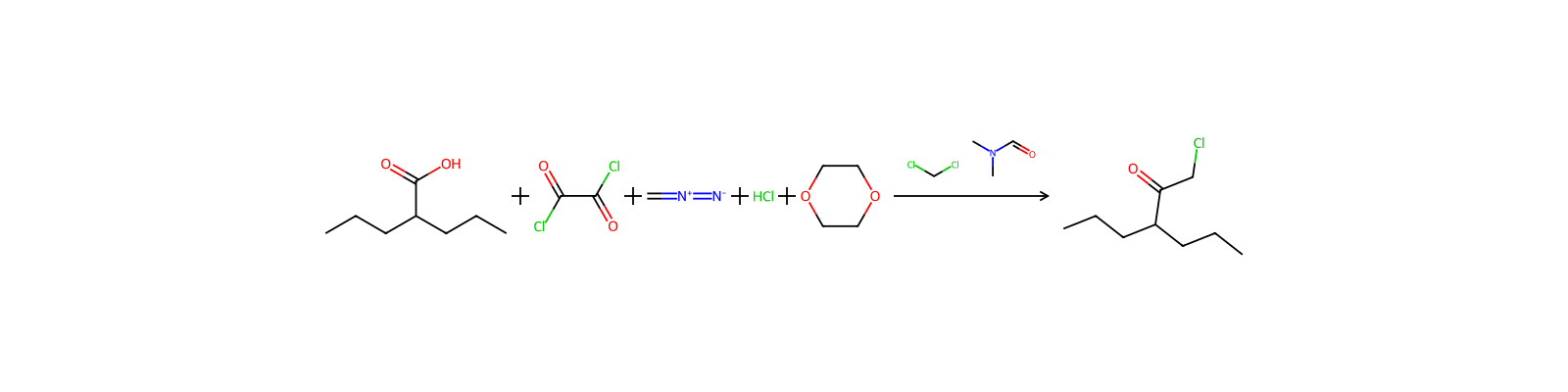
Valproic acid may be synthesized from 4-heptanol by successive conversions to 4-bromoheptane with HBr, to 4-cyanoheptane with HCN and to 2-propyl pentanoic (valproic) acid by alkaline hydrolysis of the 4-cyanoheptane.
Ethyl cyanoacetate + n-propyl bromide (dehydrobromination/decarboxylation/nitrile hydrolysis).
Formulations/Preparations
Oral: Solution: 250 mg (of valproic acid) per 5 mL Depakene Syrup (with parabens), (Abbott). Parenteral: Injection, for IV use: 100 mg (of valproic acid) per mL Depacon (with edetate disodium), (Abbott), Valproate Sodium Injection (with edetate disodium), (Abraxis), Valproate Sodium Injection (with edetate disodium), (Bedford). /Valproate sodium/
Oral: Capsules, liquid-filled: 250 mg Depakene (with parabens), (Abbott).
Oral: Capsules (containing coated particles): equivalent to valproic acid 125 mg Depakote Sprinkle, (Abbott). Tablets, delayed-release: equivalent to valproic acid 125 mg Depakote (with povidone), (Abbott), equivalent to valproic acid 250 mg Depakote (with povidone), (Abbott), equivalent to valproic acid 500 mg Depakote (with povidone), (Abbott). Tablets, extended-release: equivalent to valproic acid 250 mg Depakote ER, (Abbott) equivalent to valproic acid 500 mg Depakote ER, (Abbott). /Divalproex sodium/
Use ClassificationPharmaceuticals
Applications
DescriptionValproate is a first- generation antiepileptic drug (AED) known with the proprietary brand names of Epilim® (Sanofi, Paris) and Episenta® (Desitin, Hamburg) in the UK and Depakote® (Sanofi, Paris) in the USA.
DescriptionValproic acid and its salts are a new group of antiepileptic drugs that differs from the known drugs both structurally and in terms of its mechanism of action. It is believed that it acts on the metabolism of the GABA system. Valproic acid has been shown to elevate the level of GABA in the brain by means of competitive inhibition of GABA transaminase and the dehydrogenase of succinic semialdehyde. This drug not only exhibits anticonvulsant action, but also betters the mental condition of the patient.
UsesAntiepileptic; increases levels of -aminobutyric acid(GABA) in the brain. Anticonvulsant that also has efficacy as a mood stabilizer in bipolar disorder
UsesAntiepileptic; Anticonvulsant that also acts as a mood stabilizer for those with bipolar disorder.
UsesFor treatment and management of seizure disorders, mania, and prophylactic treatment of migraine headache. In epileptics, valproic acid is used to control absence seizures, tonic-clonic seizures (grand mal), complex partial seizures, and the seizures asso
Uses2-Propylpentanoic acid has been used as a supplement in mouse embryonic fibroblast - conditioned medium (MEF-CM)to feed the cells.
General DescriptionVPA is an established AED with a simple chemical structurebut an unusually broad spectrum of action. It is generallywell tolerated, but its use is limited by two rare but significanttoxic side effects (hepatotoxicity and teratogenicity) thatcan be dose-dependent or idiosyncratic in nature.Thesedrawbacks are apparently shared by its equipotent activemetabolite, (E)-2-propyl-2-pentenoic acid (2-ene-VPA).VPA is also an important inhibitor of the cytochrome P450isozymes, mainly of CYP2C9 and also of uridine diphosphate(UDP)-glucuronyl transferase and epoxide hydrolase.
General DescriptionClear colorless liquid.
Upstream & downstream products
Upstream raw materials
Downstream products
Suppliers50 total
国药集团化学试剂有限公司86-21-63210123 · [email protected]
北京华美互利生物化工010-56205725 · [email protected]
梯希爱(上海)化成工业发展有限公司021-67121386 · [email protected]
爱斯特(成都)生物制药股份有限公司+86-28-85122536 85324413 · [email protected]
韶远科技(上海)有限公司021-50795510 4000665055 · [email protected]
Jai Radhe Sales+(91)-(79)-26431096/65255722 · [email protected]
LGM Pharma1-(800)-881-8210 · [email protected]
Syntechem Co.,Ltd[email protected]
上海迈瑞尔生化科技有限公司4006356688 18621169109 · [email protected]
阿法埃莎(中国)化学有限公司400-6106006 · [email protected]
安耐吉化学&3A(安徽泽升科技股份有限公司)400-0056266 · [email protected]
China Kouting Group Limited+86 (21) 5811-6473 5811-6475 · [email protected]
上海泰坦科技股份有限公司400-6009262 15618770481 · [email protected]
武汉丰泰威远科技有限公司027-87465837 19945049750 · [email protected]
山东西亚化学有限公司13355009207 13355009207 · [email protected]
玛雅试剂+86 (573) 82222445 (0)18006601000 452520369 · [email protected]
四川库利南科技有限公司400-1166-196 18981987031 · [email protected]
斯百全化学(上海)有限公司021-021-021-67601398-809-809-809 15221380277 · [email protected]
艾科试剂4008-755-333 18080918076 · [email protected]
上海思域化工科技有限公司86-21-34053660 · [email protected]
赛默飞世尔科技(中国)有限公司800-810-5118 · [email protected]
北京伊诺凯科技有限公司400-810-7969 010-59572699 · [email protected]
上海遐瑞医药科技有限公司+86 21 61551611
TCI AMERICA800-4238616 · [email protected]
TOKYO CHEMICAL INDUSTRY CO., LTD.03-36680489 · [email protected]
TCI Europe320-37350700 · [email protected]
深圳振强药物研发有限公司0755-66853366 13670046396 · [email protected]
广州爱纯医药科技有限公司020-39119399 18927568969 · [email protected]
南京生利德生物科技有限公司025-57798810 18652991625 · [email protected]
山东博洛达生物科技有限公司0531-68659041 · [email protected]
上海将来实业股份有限公司400-0066400 13621662912 · [email protected]
HBCChem, Inc.+1-510-219-6317 · [email protected]
美岚实业(上海)有限公司021-58958189 · [email protected]
上海爱蝶实业有限公司021-58957966 18930537195 · [email protected]
广拓化学(上海)有限公司021-60899189-8001 18918189673 · [email protected]
上海御略医药科技有限公司021-60345187 13671753212 · [email protected]
上海麦克林生化科技股份有限公司15221275939 15221275939 · [email protected]
上海永叶生物科技有限公司86-021-61559134 15921386130 · [email protected]
上海有朋化工有限公司021-69005955 13701776567 · [email protected]
北京海力扬化学科技有限公司13718199399 · [email protected]
北京欣赛维化学科技有限公司010-56218822 13717722232 · [email protected]
四川海诺威科技有限公司13708085536 13708085536 · [email protected]
江苏艾康生物医药研发有限公司025-66028182 17714375163 · [email protected]
上海凯赛化工有限公司021-33516722 13701817765 · [email protected]
上海彤源化工有限公司021-021-69182866 13701855675 · [email protected]
上海孚一生物科技有限公司+86 (21) 61124340
凯试(上海)科技有限公司021-50135380 · [email protected]
北京华扬致成科技有限公司13716033033 · [email protected]
上海蓝润化学有限公司021-69515658 ; 69515628 13701998368 · [email protected]
上海容立化学科技有限公司021-69992220 13701886816 · [email protected]
Additional notes
DefinitionChEBI: A branched-chain saturated fatty acid that comprises of a propyl substituent on a pentanoic acid stem.
Related reactions
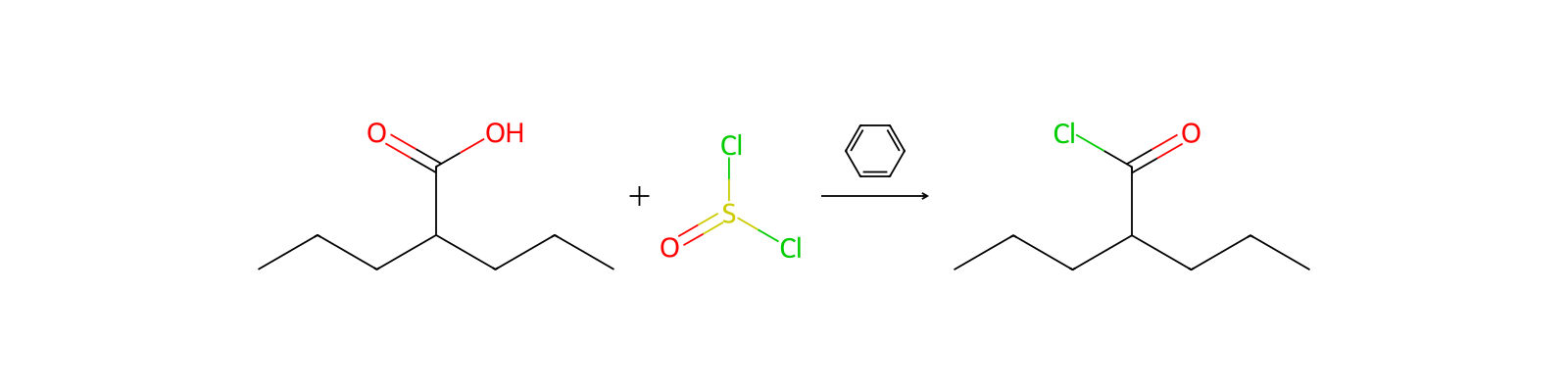
77 records



Linked notes
Loading…