Basic information
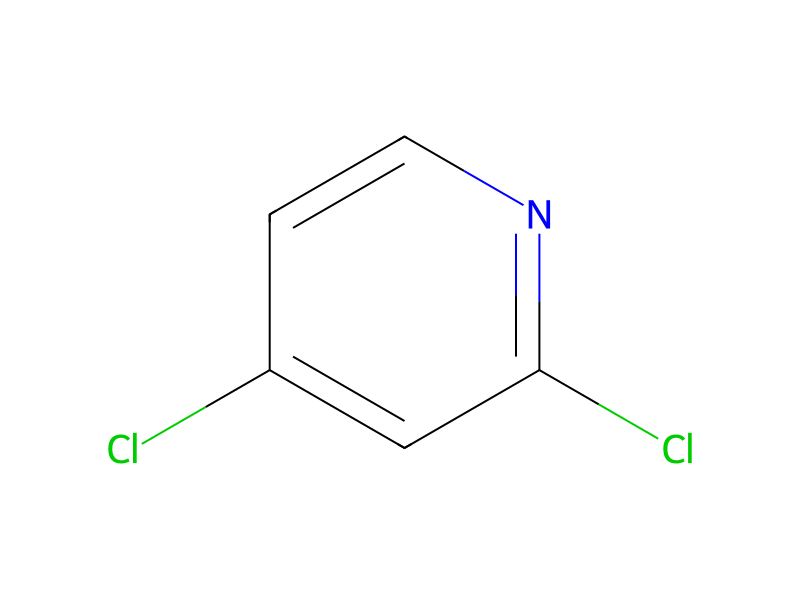
- Standard SMILES
Clc1ccnc(Cl)c1- InChIKey
TYPVHTOETJVYIV-UHFFFAOYSA-N- Molecular formula
- C5H3Cl2N
- Average molar mass
- 147.99 g/mol
- Monoisotopic mass
- 146.96425446
Names & identifiers
- Preferred name
- 2,4-Dichloropyridine
- IUPAC
- 2,4-dichloropyridine
- English name
- 2,4-Dichloropyridine
- Molecular formula
- C5H3Cl2N
- Molecular weight
- 147.99
Names & synonyms
2,4-DICHLOROPYRIDINE26452-80-2EINECS 247-717-7DTXSID20181047RefChem:82397DTXCID30103538247-717-7Pyridine, 2,4-dichloro-MFCD009556182,4-DichloropyrdineSCHEMBL172300STK688595
Show more names
2,4-DichlorpyridineIFLAB-BB F2108-00712,4-Dichloropyridine>2,4 dicloropyridine 98%2,4-Dichloropyridine,97%2,4-Dichloropyridine 97%2,4-Dichloropyridine ,98%2,4-Dichloropyridine ISO 9001:2015 REACH
CS-W004774PS-5824AC-244822,4-dichloro pyridine2,4-dichoropyridine2, 4-dichloropyridine2,4-dichloro-pyridine2,4-bis(chloranyl)pyridine
Database identifiers
- CAS
26452-80-2- PubChem CID
- 33515
- DTXSID
DTXSID20181047- UNII
- 7NH8HB3AL9
- EC Number
- 247-717-7
- Nikkaji
- J88.423E
Properties
Computed structural properties
- XLogP
- 2.4
- Topological polar surface area
- 12.9 Ų
- Hydrogen bond donors
- 0
- Hydrogen bond acceptors
- 1
- Rotatable bonds
- 0
- Heavy atoms
- 8
- Formal charge
- 0
- Complexity
- 76.8
Physicochemical properties
- Melting point
- -1 °C · -1 °C
- Boiling point
- 189 · 189-190 °C (lit.) 76-78 °C/23 mmHg (lit.)
- Density
- 1.37 · 1.37
- refractive index
- 1.55 · 1.55-1.554
- Flash point
- 189 · 189-190°C
- storage temp.
- 2 · Inert atmosphere,2-8°C
- solubility
- Chloroform
- form
- Yellow to Pale Orange Liquid
- pka
- 0.12 · 0.12±0.10(Predicted)
- color
- Colorless to Red to Green
- BRN
- 108666 · 108666
- InChI
- InChI=1S/C5H3Cl2N/c6-4-1-2-8-5(7)3-4/h1-3H
- InChIKey
- TYPVHTOETJVYIV-UHFFFAOYSA-N
- SMILES
- C1(Cl)=NC=CC(Cl)=C1
- CAS DataBase Reference
- 26452 · 26452-80-2(CAS DataBase Reference)
- UNSPSC Code
- 12352100 · 12352100
- NACRES
- 22 · NA.22
- Symbol(GHS)
- 5 · GHS05,GHS07
- Signal word
- Danger
- Hazard statements
- 302 · H302-H315-H317-H318
- Precautionary statements
- 261 · P261-P264-P280-P301+P312-P302+P352-P305+P351+P338
- PPE
- Eyeshields, Faceshields, Gloves, type ABEK (EN14387) respirator filter
- Hazard Codes
- T,Xi,Xn
- Risk Statements
- 25 · 25-38-41-43-36/37/38-20/22
- Safety Statements
- 26 · 26-36/37/39-45-36
- RIDADR
- 2810 · 2810
- WGK Germany
- 3 · 3
- RTECS
- 3410400 · NC3410400
- Hazard Note
- Harmful/Irritant
- HazardClass
- 6.1 · 6.1
- PackingGroup
- III
- HS Code
- 29333990 · 29333990
- Storage Class
- 10 · 10 - Combustible liquids
- Hazard Classifications
- 4 OralEye · Acute Tox. 4 OralEye Dam. 1Skin Irrit. 2Skin Sens. 1
Safety & regulation
GHS classification
GHS Classification
Danger
H302 (93.8%): Harmful if swallowed [Warning Acute toxicity, oral]
P261, P262, P264, P264+P265, P270, P271, P272, P280, P301+P317, P302+P352, P304+P340, P305+P351+P338, P305+P354+P338, P316, P317, P319, P321, P330, P332+P317, P333+P317, P337+P317, P361+P364, P362+P364, P403+P233, P405, and P501 (click each P-code to see the statement)
Aggregated GHS information provided per 48 reports by companies from 7 notifications to the ECHA C&L Inventory. Each notification may be associated with multiple companies.
Hazard information
Hazard Classes and CategoriesAcute Tox. 4 (93.8%)
Safety data
- PPE
- Eyeshields, Faceshields, Gloves, type ABEK (EN14387) respirator filter
- wgk
- 3
- rtecs
- NC3410400
- ridadr
- 2810
- hs_code
- 29333990
- risk_code
- 25-38-41-43-36/37/38-20/22
- Signal word
- Danger
- Symbol(GHS)
- GHS05,GHS07
- hazard_code
- T,Xi,Xn
- hazard_note
- Harmful/Irritant
- safety_code
- 26-36/37/39-45-36
- hazard_class
- 6.1
- Storage Class
- 10 - Combustible liquids
- packing_group
- III
- Hazard statements
- H302-H315-H317-H318
- Hazard Classifications
- Acute Tox. 4 OralEye Dam. 1Skin Irrit. 2Skin Sens. 1
- Precautionary statements
- P261-P264-P280-P301+P312-P302+P352-P305+P351+P338
Chemistry & industry
Applications
Uses2,4-Dichloropyridine is a versatile reactant used in the preparation of host materials for light-emitting diodes with heterocyclic cores. Also used in the preparation of sulfonylated pyridines, pyrazine and quinoline via aromatic nucleophilic substitution of azines with sodium sulfinates.
Upstream & downstream products
Downstream products
Suppliers50 total
国药集团化学试剂有限公司86-21-63210123 · [email protected]
梯希爱(上海)化成工业发展有限公司021-67121386 · [email protected]
衢州润东化工有限公司0570-8789886 18892685668 · [email protected]
山东德信精细化工有限公司18553366272
北京安司莫森技术有限公司010-82954736 13391601435 · [email protected]
韶远科技(上海)有限公司021-50795510 4000665055 · [email protected]
常州思丹德化工有限公司0519-85607885 13776800733 · [email protected]
科瑞迪化学400-821-5857 021-64326257 · [email protected]
山东中科泰斗化学有限公司0531-88682301 18595278760 · [email protected]
上海迈瑞尔生化科技有限公司4006356688 18621169109 · [email protected]
北京华威锐科化工有限公司0757-86329057 18934348241 · [email protected]
河北松辰医药科技有限公司0319-5801333-8008 15630992918 · [email protected]
武汉易泰科技有限公司上海分公司18930552037 · [email protected]
阿法埃莎(中国)化学有限公司400-6106006 · [email protected]
安耐吉化学&3A(安徽泽升科技股份有限公司)400-0056266 · [email protected]
石家庄斯迪亚诺精细化工有限公司0311-89250318 13582355795 · [email protected]
武汉凯威斯科技有限公司86-027-67849912 · [email protected]
阜新四维卤化物有限公司0418-2260776 · [email protected]
上海瀚鸿科技股份有限公司021-54306202 13764082696 · [email protected]
上海相辉医药科技有限公司13761987713 · [email protected]
上海景颜化工科技有限公司13817811078 · [email protected]
嘉兴市艾森化工有限公司0573-85285100 18627885956 · [email protected]
Pure Chemistry Scientific Inc.001-857-928-2050 or 1-888-588-9418 · [email protected]
上海隆盛化工有限公司58099637 13585536065 · [email protected]
上海攀鸿化工科技有限公司021-56491756 13512199871 · [email protected]
杭州东帆化学有限公司86-0571-85151182
孝感深远化工有限公司15527621225; 15527621225 · [email protected]
山东西亚化学有限公司13355009207 13355009207 · [email protected]
四川库利南科技有限公司400-1166-196 18981987031 · [email protected]
沈阳天火同人化工有限公司(中孚大有医药)+86(24) 31938773(O) · [email protected]
天津希恩思生化科技有限公司400 638 7771 · [email protected]
南京维奥化工有限公司Please Send Email 18652950785 · [email protected]
百盛HK进出口有限公司+86-18068513926
北京泰亚杰科技有限公司021-33690831-8001 13552411790;18616022633 · [email protected]
泰州志诚化工科技有限公司0523-82837785 13914525028 · [email protected]
天津津御达化工科技有限公司022-58013646 13011382049 · [email protected]
重庆怀恩化工有限公司+86-023-62487899 13883934700 · [email protected]
上海思域化工科技有限公司86-21-34053660 · [email protected]
赛默飞世尔科技(中国)有限公司800-810-5118 · [email protected]
南京诺利斯医药科技有限公司13901585132 · [email protected]
江苏艾康生物医药研发有限公司025-66113011 13913916777 · [email protected]
TCI AMERICA800-4238616 · [email protected]
TOKYO CHEMICAL INDUSTRY CO., LTD.03-36680489 · [email protected]
TCI Europe320-37350700 · [email protected]
卡迪亚医药科技有限公司0371-86615086 18203638366 0371-86159066 13526786601
上海贤鼎生物科技有限公司4009209199 · [email protected]
Shanghai Witofly Chemical Co.,Ltd[email protected]
越林试剂021-62960152 · [email protected]
上海睿升化工科技有限公司+86-021-50935922
上海易全化学有限公司021-64196659 13564486206 · [email protected]
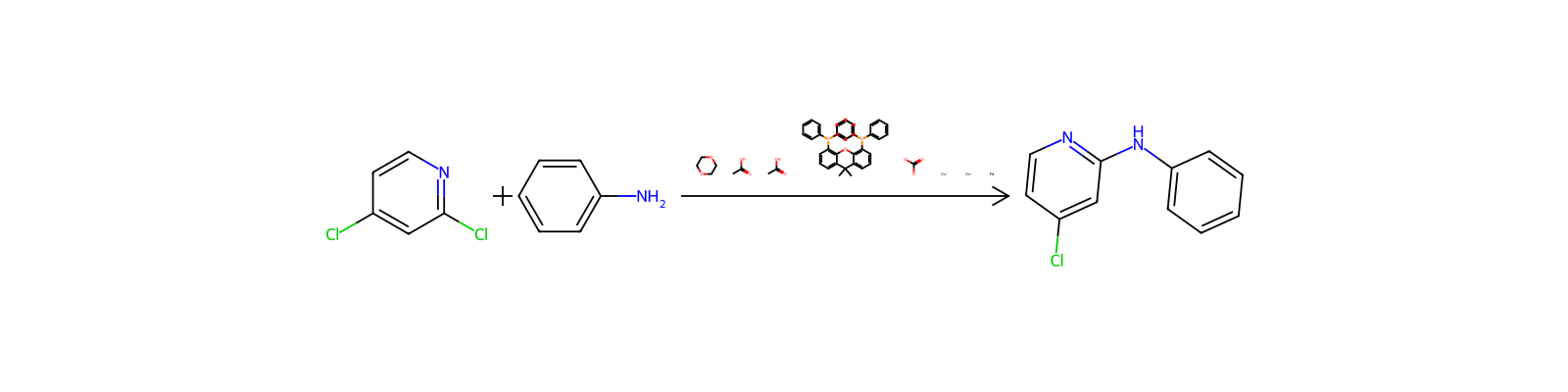
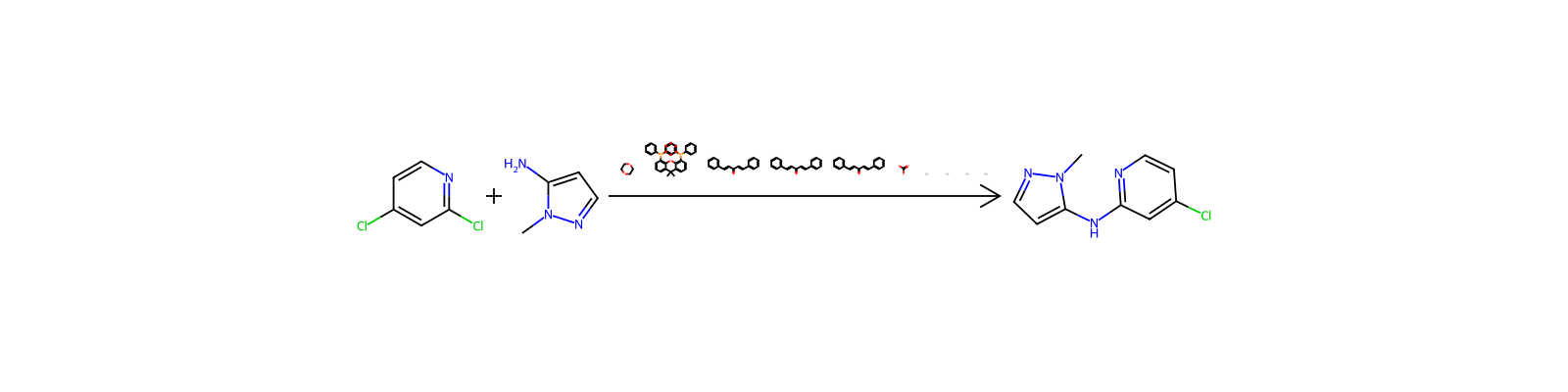
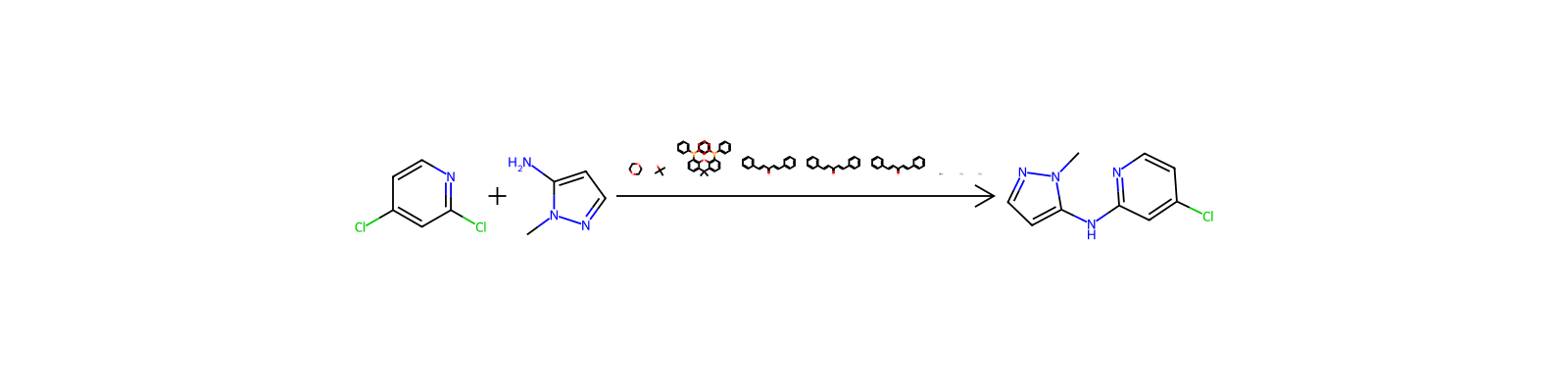
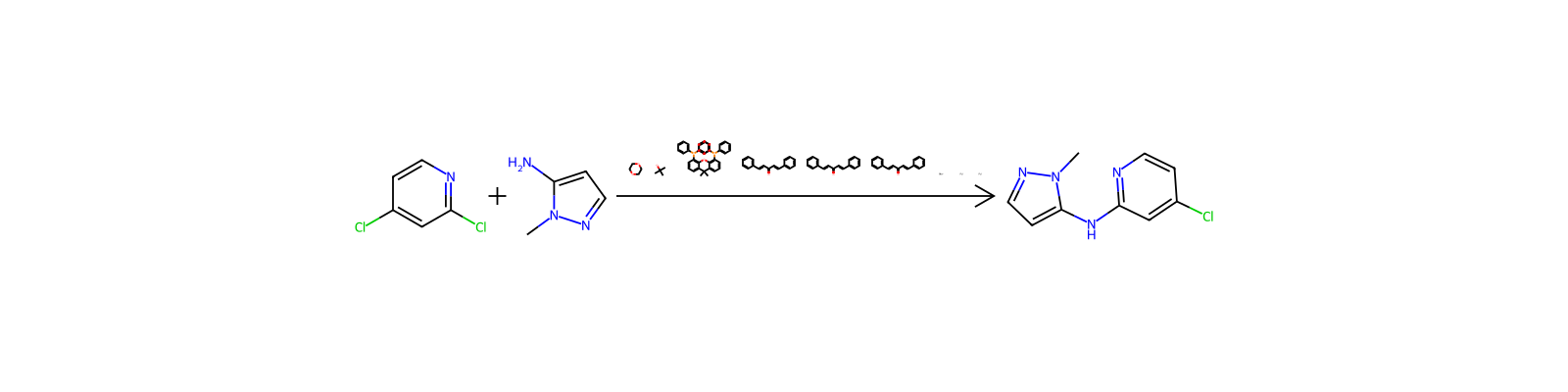
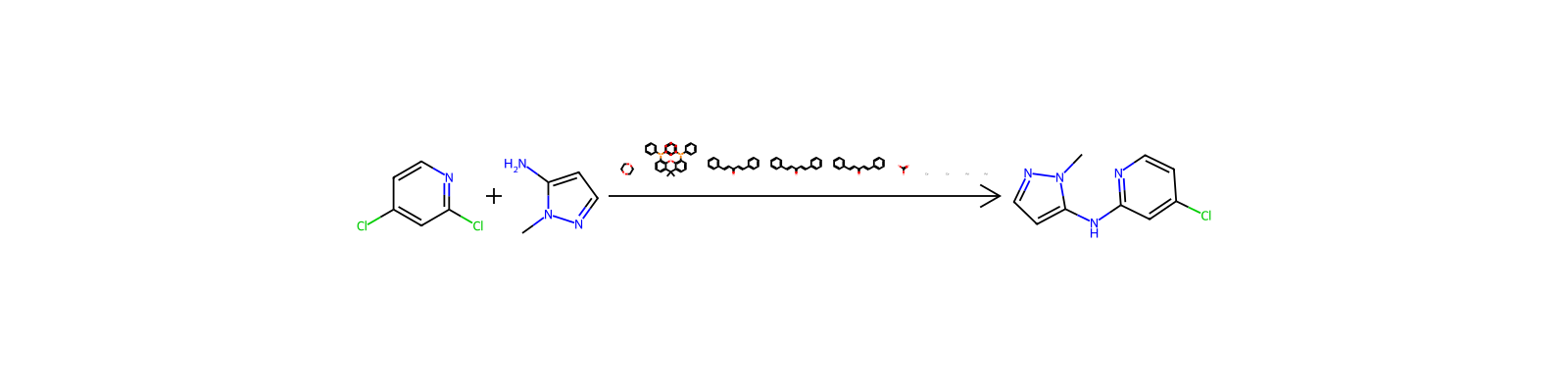
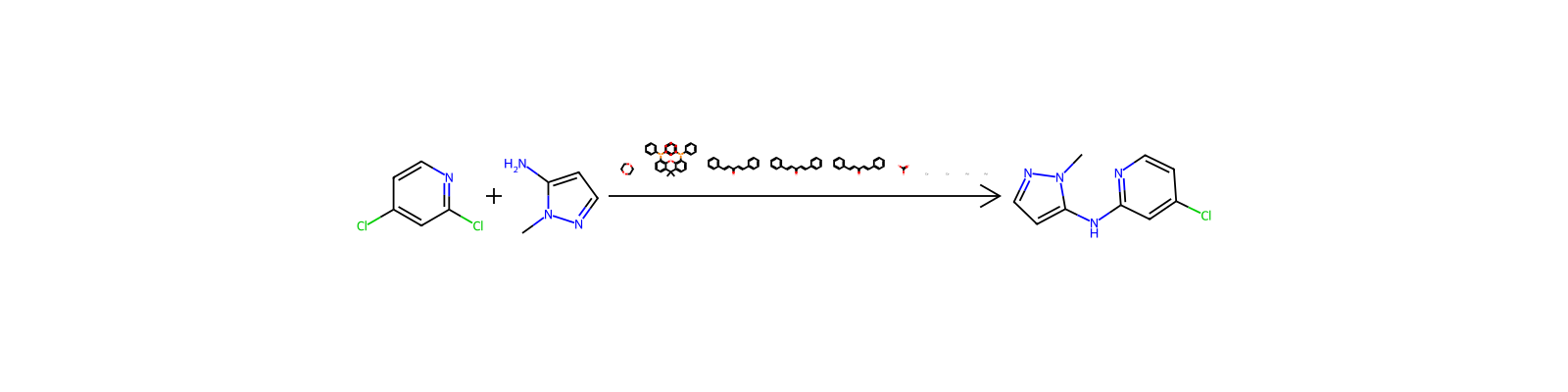
Related reactions
175 records

Linked notes
Loading…