HomeMCPWorkbenchSkills
HomeWorkbenchNotificationsMe
llms.txt · MCP GuidePrivacy Policy · Terms of Service · Supportv1.8.0
  1. Home
  2. /Compound

Salicylic Acid

HCID 338
New noteNew reactionRequest quotes
Print preview
Basic informationOverviewNames & identifiersPropertiesSafety & regulationChemistry & industryRelated reactionsCompound notes
Substructure searchFind similar structures

Basic information

CAS
69-72-7
Standard SMILES
O=C(O)c1ccccc1O
InChIKey
YGSDEFSMJLZEOE-UHFFFAOYSA-N
Molecular formula
C7H6O3
Average molar mass
138.12 g/mol
Monoisotopic mass
138.03169405

Overview

Salicylic acid is an odorless white to light tan solid. Sinks and mixes slowly with water. (USCG, 1999)

Names & identifiers

Preferred name
Salicylic Acid
IUPAC
2-hydroxybenzoic acid
English name
Salicylic acid
Molecular formula
C7H6O3
Molecular weight
138.12

Names & synonyms

salicylic acid2-Hydroxybenzoic acid69-72-7o-hydroxybenzoic acid2-Carboxyphenolo-CarboxyphenolRetarder WRutranexSalonilKeralytDuoplantFreezone
Show more names
SALICYCLIC ACID171salicylicAcido salicilico380FEMA 3985Soluble SALICYLIC ACID, Liposomal SALICYLIC ACID, SALICYLIC ACID NanoEmulsion, NanoActive SALICYLIC ACID337
SaligelIonilPsoriacid-S-stiftBenzoic acid, 2-hydroxy-Stri-DexSalicylic acid soapVerrugonSalicylic acid collodion

Database identifiers

CAS
69-72-7
PubChem CID
338
DTXSID
DTXSID7026368
ChEMBL
CHEMBL424
ChEBI
CHEBI:16914
UNII
O414PZ4LPZ
EC Number
200-712-3
Nikkaji
J2.370A

Properties

Computed structural properties

XLogP
2.3
Topological polar surface area
57.5 Ų
Hydrogen bond donors
2
Hydrogen bond acceptors
3
Rotatable bonds
1
Heavy atoms
10
Formal charge
0
Complexity
133

Experimental & physicochemical properties

Chemical ClassesOther Classes -> Benzoic Acid Derivatives
Drugs · 5 items

Pharmaceuticals -> Listed in ZINC15

Pharmaceutical

Pharmaceuticals

Pharmaceuticals -> Metabolite of Acetylsalicylic acid, Carbasalate calcium

Pharmaceuticals -> NSAIDs

Cosmetics · 2 items

Cosmetic ingredients (Salicylic Acid) -> CIR (Cosmetic Ingredient Review)

Preservative; Keratolytic

pHpH of saturated solution: 2.4
SpringerMaterials PropertiesAngular frequency
FragrancesFragrance Ingredient (2-Hydroxybenzoic acid) -> IFRA transparency List
LogP · 4 items

log Kow = 2.26

2.26

2.3

1.75

OdorSYNTHETIC ACID IS ODORLESS
Taste · 2 items

Acrid taste

Safety & regulation

Safety information is for reference only and does not replace the supplier’s Safety Data Sheet (SDS), applicable regulations, or professional assessment.

GHS classification

GHS Classification · 6 items

Danger

H302: Harmful if swallowed [Warning Acute toxicity, oral]

P203, P264, P264+P265, P270, P280, P301+P317, P305+P354+P338, P317, P318, P330, P405, and P501 (click each P-code to see the statement)

This chemical does not meet GHS hazard criteria for 0.1% (7 of 4704) of reports.

Danger

H302 (98%): Harmful if swallowed [Warning Acute toxicity, oral]

Hazard information

Regulatory Information · 5 items

Chemical: Benzoic acid, 2-hydroxy-

Commission Regulation (EC) No 1565/2000 (Repealed by Com. Implementing Reg. (EU) No 872/2012)

Benzoic acid, 2-hydroxy- is listed on the EPA's Chemical Data Reporting (CDR) system. Manufacturers and importers of Benzoic acid, 2-hydroxy- are required to report information about their production and use of this chemical to the EPA under the Toxic Substances Control Act (TSCA). (40 eCFR Part 711)

REACH registered substance: Salicylic acid (EC: 200-712-3)

Salicylic acid: Does not have an individual approval but may be used under an appropriate group standard

Other Safety InformationIMAP assessments - Salicylic acid and its salts: Human health tier II assessment
Fire Hazards · 2 items

Special Hazards of Combustion Products: Irritating vapors of unburned material and phenol may form in fire.

Combustible. Finely dispersed particles form explosive mixtures in air.

Fire PotentialSLIGHT WHEN EXPOSED TO HEAT OF FLAME; CAN REACT WITH OXIDIZING MATERIALS
Health Hazards · 1 item

Inhalation of dust irritates nose and throat. Vomiting may occur spontaneously if large amounts are swallowed. Contact with eyes causes irritation, marked pain, and corneal injury which should heal. Prolonged or repeated skin contact may cause marked irritation or even a mild burn. (USCG, 1999)

Chemistry & industry

Pharmacology

ATC Code · 5 items

D - Dermatologicals

S - Sensory organs

QS - Sensory organs

QD - Dermatologicals

D01AE12

Protein BindingSalicylic acid is about 90% plasma protein bound.
Pharmacodynamics · 1 item

Salicylic acid treats acne by causing skin cells to slough off more readily, preventing pores from clogging up. This effect on skin cells also makes salicylic acid an active ingredient in several shampoos meant to treat dandruff. Use of straight salicylic solution may cause hyperpigmentation on unpretreated skin for those with darker skin types (Fitzpatrick phototypes IV, V, VI), as well as with the lack of use of a broad spectrum sunblock. Subsalicylate in combination with bismuth form the popular stomach relief aid known commonly as Pepto-Bismol. When combined the two key ingredients help control diarrhea, nausea, heartburn, and even gas. It is also very mildly anti-biotic.

Mechanism of Action · 2 items

Salicylic acid directly and reversibly inhibits COX-1 and COX-2 to decrease conversion of arachidonic acid to precursors of prostaglandins and thromboxanes. Salicylate's use in rheumatic diseases is due to it's analgesic and anti-inflammatory activity. Salicylic acid is a key ingredient in many skin-care products for the treatment of acne, psoriasis, calluses, corns, keratosis pilaris, and warts. Salicylic acid allows cells of the epidermis to more readily slough off. Because of its effect on skin cells, salicylic acid is used in several shampoos used to treat dandruff. Salicylic acid is also used as an active ingredient in gels which remove verrucas (plantar warts). Salicylic acid competitively inhibits oxidation of uridine-5-diphosphoglucose (UDPG) with nicotinamide adenosine dinucleotide (NAD) and noncompetitively with UDPG. It also competitively inhibits the transferring of the glucuronyl group of uridine-5-phosphoglucuronic acid (UDPGA) to a phenolic acceptor. Inhibition of mucopoly saccharide synthesis is likely responsible for the slowing of wound healing with salicylates.

Salicylic acid has a potent keratolytic action and a slight antiseptic action when applied topically to the skin. In low concentrations, the drug has keratoplastic activity (correction of abnormal keratinization) and in higher concentrations (i.e., 1% or higher, depending on the vehicle), the drug has keratolytic activity (causes peeling of skin). Salicylic acid softens and destroys the stratum corneum by increasing endogenous hydration (water concentration), probably because of decreased pH, which causes the cornified epithelium (horny layer) of the skin to swell, soften, and then desquamate.

Related reactions

338 records
New reaction record
HRID 5667 reaction equation
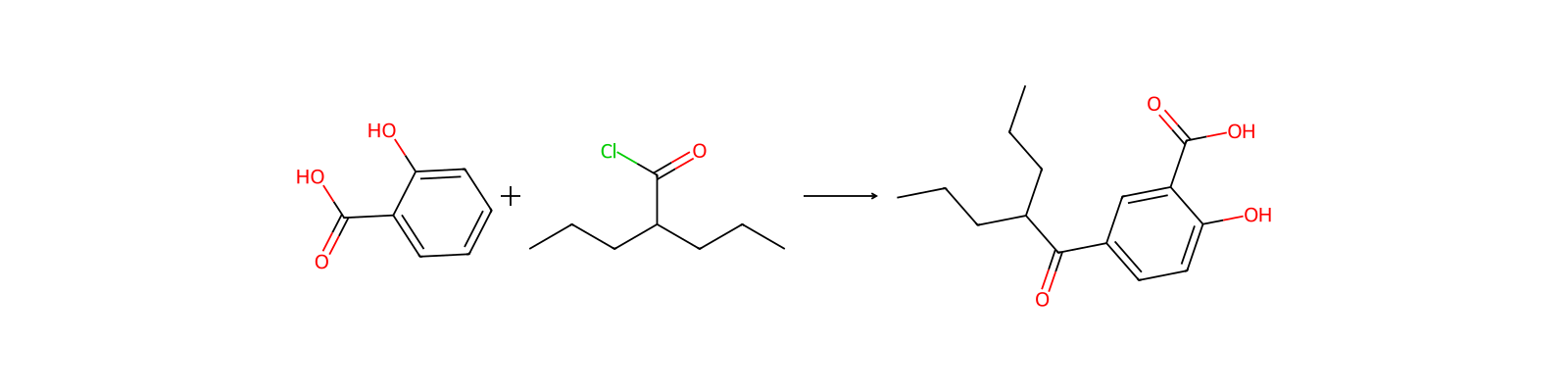
HRID 5667As reactantuspto-grants-1993_09
HRID 25936 reaction equation
HRID 25936As reactantuspto-grants-1979_04
HRID 27466 reaction equation
HRID 27466As reactantuspto-grants-1980_09
HRID 35510 reaction equation
HRID 35510As reactantuspto-grants-1988_08
HRID 38014 reaction equation
HRID 38014As reactantuspto-grants-2013_09
HRID 38638 reaction equation
HRID 38638As reactantuspto-grants-2013_09
HRID 57222 reaction equation
HRID 57222As reactantuspto-grants-2016_09
HRID 61970 reaction equation
HRID 61970As reactantuspto-grants-2016_09
Page 1 of 43

Compound notes

Loading…

On this pageBasic informationOverviewNames & identifiersPropertiesSafety & regulationChemistry & industryRelated reactionsCompound notes
More actions
New noteNew reactionRequest quotes

IT HAS SWEETISH, AFTERWARD ACRID, TASTE

Food AdditivesFLAVORING AGENT OR ADJUVANT -> FDA Substance added to food
Density · 3 items

1.44 at 68 °F (USCG, 1999) - Denser than water; will sink

1.443 g/cu cm at 20 °C/4 °C

Relative density (water = 1): 1.4

Flavoring AgentsEU Flavoring substances

Physicochemical properties

Melting point
158 · 158-161 °C(lit.)
Boiling point
211 °C · 211 °C(lit.)
Density
1.44 · 1.44
bulk density
400 · 400-500kg/m3
vapor density
4.8 · 4.8 (vs air)
vapor pressure
1 mm · 1 mm Hg ( 114 °C)
refractive index
1 · 1,565
FEMA
3985 · 3985 | 2-HYDROXYBENZOIC ACID
FLAVIS Number
8.112 · 08.112 | Salicylic acid
Flash point
157 °C · 157 °C
storage temp.
2 · 2-8°C
solubility
1 M · ethanol: 1 M at 20 °C, clear, colorless
pka
2.98 · 2.98(at 25℃)
form
Solid
color
White to off-white
PH Range
0 uorescence · Non0 uorescence (2.5) to dark blue 0 uorescence (4.0)
Odor
100 % · at 100.00 %. faint phenolic nutty
PH
3.21 · 3.21(1 mM solution);2.57(10 mM solution);2.02(100 mM solution);
Odor Type
nutty
biological source
synthetic
Water Solubility
1.8 g/L · 1.8 g/L (20 ºC)
Sensitive
Light Sensitive
λmax
210 nm, · 210nm, 234nm, 303nm
Merck
14 · 14,8332
JECFA Number
958 · 958
Sublimation
70 · 70 ºC
BRN
774890 · 774890
Henry's Law Constant
1.3 · 1.3×103 mol/(m3Pa) at 25℃, Duchowicz et al. (2020)
Stability
Stable. Substances to be avoided include oxidizing agents, strong bases, iodine, fluorine. Combustible. Sensitive to light.
Major Application
Semiconductors, nanoparticles, photoresists, lubricating oils, UV absorbers, adhesive, leather, cleaner, hair dye, soaps, cosmetics, pain medication, analgesics, antibacterial agent, treatment of dandruff, hyperpigmented skin, tinea pedis, onychomycosis, osteoporosis, beriberi, fungicidal skin disease, autoimmune disease
Cosmetics Ingredients Functions
HAIR CONDITIONINGANTI-SEBORRHEICFRAGRANCESKIN CONDITIONINGPRESERVATIVEKERATOLYTIC
InChI
1S/C7H6O3/c8-6-4-2-1-3-5(6)7(9)10/h1-4,8H,(H,9,10)
InChIKey
YGSDEFSMJLZEOE-UHFFFAOYSA-N
SMILES
OC(=O)c1ccccc1O
LogP
2.01 · 2.01
Toxicology and Carcinogenesis
Photocarcinogenesis Study of Glycolic Acid and Salicylic Acid (CASRNs 79-14-1 and 69-72-7) in SKH-1 Mice (Simulated Solar Light and Topical Application Studies)
Substances Added to Food (formerly EAFUS)
SALICYLIC ACID
FDA 21 CFR
175.105 · 175.105; 175.300; 177.2600
CAS DataBase Reference
69 · 69-72-7(CAS DataBase Reference)
EWG's Food Scores
2 · 2-4
FDA UNII
414 PZ4LPZ · O414PZ4LPZ
ATC code
1 AE12,S01BC08 · D01AE12,S01BC08
NIST Chemistry Reference
2 · Benzoic acid, 2-hydroxy-(69-72-7)
EPA Substance Registry System
Salicylic acid (69-72-7)
Cosmetics Info
Salicylic Acid
UNSPSC Code
41116107 · 41116107
NACRES
71 · NA.71
Symbol(GHS)
5 · GHS05,GHS07,GHS08
Signal word
Danger
Hazard statements
302 · H302-H318-H361d
Precautionary statements
202 · P202-P264-P280-P301+P312-P305+P351+P338-P308+P313
PPE
95 · dust mask type N95 (US), Eyeshields, Gloves
Hazard Codes
Xn,F
Risk Statements
22 · 22-41-36/37/38-36-20/21/22-11
Safety Statements
26 · 26-39-37/39-36-36/37-16
RIDADR
1648 · UN 1648 3 / PGII
WGK Germany
1 · 1
RTECS
525000 · VO0525000
Autoignition Temperature
500 °C · 500 °C
TSCA
TSCA listed
HS Code
29182100 · 29182100
Storage Class
11 · 11 - Combustible Solids
Hazard Classifications
4 OralEye · Acute Tox. 4 OralEye Dam. 1Repr. 2
Hazardous Substances Data
69 · 69-72-7(Hazardous Substances Data)
Toxicity
50 i.v · LD50 i.v. in mice: 500 mg/kg (Sota)
REACH Registrations
Active
Hazards Summary · 1 item

An eye irritant; [CAMEO] Symptoms of salicylism after an acute overdose include ringing in the ears, confusion, hyperventilation, vomiting, and in severe cases, seizure and coma; Topical salicylic acid is keratolytic in concentrations greater than 3%; [HSDB] See Acetylsalicylic acid.

FDA Requirements · 5 items

Salicyclic acid used as a preservative only is an indirect food additive for use only as a component of adhesives.

Drug products containing certain active ingredients offered over-the-counter (OTC) for certain uses. A number of active ingredients have been present in OTC drug products for various uses, as described below. However, based on evidence currently available, there are inadequate data to establish general recognition of the safety and effectiveness of these ingredients for the specified uses: salicylic acid is included in topical acne drug products.

Drug products containing certain active ingredients offered over-the-counter (OTC) for certain uses. A number of active ingredients have been present in OTC drug products for various uses, as described below. However, based on evidence currently available, there are inadequate data to establish general recognition of the safety and effectiveness of these ingredients for the specified uses: salicylic acid is included in external analgesic drug products.

Drug products containing certain active ingredients offered over-the-counter (OTC) for certain uses. A number of active ingredients have been present in OTC drug products for various uses, as described below. However, based on evidence currently available, there are inadequate data to establish general recognition of the safety and effectiveness of these ingredients for the specified uses: salicylic acid is included in skin protectant drug products.

For more FDA Requirements (Complete) data for SALICYLIC ACID (11 total), please visit the HSDB record page.

Reactive GroupAcids, Carboxylic
Special Reports · 2 items

IPCS; Poisons Information Monograph 642: Salicylic Acid (September 1998). Available at http://www.inchem.org/documents/pims/pharm/pim642.htm#PartTitle:5.%20%20ROUTES%20OF%20ENTRY as of February 13, 2008

Cosmetic Ingredient Review (CIR) Expert Panel; Safety Assessment of Salicylic Acid, Butyloctyl Salicylate, Calcium Salicylate, C12-15 Alkyl Salicylate, Capryloyl Salicylic Acid, Hexyldodecyl Salicylate, Isocetyl Salicylate, Isodecyl Salicylate, Magnesium Salicylate, MET-Salicylate, Ethylhexyl Salicylate, Potassium Salicylate, Methyl Salicylate, Myristyl Salicylate, Sodium Salicylate, TEA-Salicylate, and Tridecyl Salicylate; Intl J of Toxicology 22 (Suppl 3): 1-108 (2003)

FIFRA Requirements · 1 item

Product registrations which once contained active ingredients incl salicyclic acid have previously been amended to remove the ingredient from the formula or have been cancelled for other reasons ... These ingredients will be removed from Reregistration List D effective 90 days after publication of this notice ... and will not be considered further for reregistration.

Reactivity Profile · 1 item

SALICYLIC ACID is a carboxylic acid. Carboxylic acids donate hydrogen ions if a base is present to accept them. They react in this way with all bases, both organic (for example, the amines) and inorganic. Their reactions with bases, called "neutralizations", are accompanied by the evolution of substantial amounts of heat. Neutralization between an acid and a base produces water plus a salt. Carboxylic acids with six or fewer carbon atoms are freely or moderately soluble in water; those with more than six carbons are slightly soluble in water. Soluble carboxylic acid dissociate to an extent in water to yield hydrogen ions. The pH of solutions of carboxylic acids is therefore less than 7.0. Many insoluble carboxylic acids react rapidly with aqueous solutions containing a chemical base and dissolve as the neutralization generates a soluble salt. Carboxylic acids in aqueous solution and liquid or molten carboxylic acids can react with active metals to form gaseous hydrogen and a metal salt. Such reactions occur in principle for solid carboxylic acids as well, but are slow if the solid acid remains dry. Even "insoluble" carboxylic acids may absorb enough water from the air and dissolve sufficiently in it to corrode or dissolve iron, steel, and aluminum parts and containers. Carboxylic acids, like other acids, react with cyanide salts to generate gaseous hydrogen cyanide. The reaction is slower for dry, solid carboxylic acids. Insoluble carboxylic acids react with solutions of cyanides to cause the release of gaseous hydrogen cyanide. Flammable and/or toxic gases and heat are generated by the reaction of carboxylic acids with diazo compounds, dithiocarbamates, isocyanates, mercaptans, nitrides, and sulfides. Carboxylic acids, especially in aqueous solution, also react with sulfites, nitrites, thiosulfates (to give H2S and SO3), dithionites (SO2), to generate flammable and/or toxic gases and heat. Their reaction with carbonates and bicarbonates generates a harmless gas (carbon dioxide) but still heat. Like other organic compounds, carboxylic acids can be oxidized by strong oxidizing agents and reduced by strong reducing agents. These reactions generate heat. A wide variety of products is possible. Like other acids, carboxylic acids may initiate polymerization reactions; like other acids, they often catalyze (increase the rate of) chemical reactions.

Atmospheric Standards · 1 item

This action promulgates standards of performance for equipment leaks of Volatile Organic Compounds (VOC) in the Synthetic Organic Chemical Manufacturing Industry (SOCMI). The intended effect of these standards is to require all newly constructed, modified, and reconstructed SOCMI process units to use the best demonstrated system of continuous emission reduction for equipment leaks of VOC, considering costs, non air quality health and environmental impact and energy requirements. Salicylic acid is produced, as an intermediate or a final product, by process units covered under this subpart.

Safety & protection

Fire Fighting · 2 items

Fire Extinguishing Agents Not to Be Used: Water or foam may cause frothing.

Use water spray, carbon dioxide, powder. In case of fire: keep drums, etc., cool by spraying with water.

First Aid Measures · 4 items

Fresh air, rest. Refer for medical attention.

Remove contaminated clothes. Rinse and then wash skin with water and soap.

First rinse with plenty of water for several minutes (remove contact lenses if easily possible), then refer for medical attention.

Rinse mouth. Refer immediately for medical attention.

First AidINHALATION: move to fresh air.
Safe StorageSeparated from incompatible materials. See Chemical Dangers.
Fire Fighting Procedures · 2 items

WATER, FOAM, CARBON DIOXIDE, DRY CHEM

Water or foam may case frothing ... to liquids having flash points above 212 °F (100 °C) ... It does not indicate that water or fire fighting foam should not be used. The frothing may be violent and could endanger any fire fighters located too close to the burning liquid, particularly when solid streams of water are directed onto the hot, burning liquid. On the other hand, a carefully applied water spray has frequently been used to achieve extinguishment by deliberately causing frothing only on the surface of the liquid; the foaming action blankets the surface of the liquid and extinguishes the fire by excluding oxygen. This tactic is expecially successful with high viscosity liquids.

Storage Conditions · 1 item

Salicylic acid should be stored in well-closed containers. Salicylic acid collodion should be stored in tight containers at 15-30 °C. Because the collodion is flammable, it should not be stored near heat or an open flame. Salicylic acid plaster should be stored in well-closed containers, preferably at 15-30 °C. The Trans-Ver-Sal plaster should be stored at a temperature less than 37.8 °C.

Disposal Methods · 2 items

SRP: At the time of review, criteria for land treatment or burial (sanitary landfill) disposal practices are subject to significant revision. Prior to implementing land disposal of waste residue (including waste sludge), consult with environmental regulatory agencies for guidance on acceptable disposal practices.

Salicyclic acid is a waste chemical stream constituent which may be subjected to ultimate disposal by controlled incineration.

Spillage Disposal · 1 item

Personal protection: particulate filter respirator adapted to the airborne concentration of the substance, protective clothing, protective gloves and safety goggles. If appropriate, moisten first to prevent dusting. Sweep spilled substance into covered containers. Then store and dispose of according to local regulations.

Eye PreventionWear safety goggles or eye protection in combination with breathing protection.
Fire PreventionNO open flames. Closed system, dust explosion-proof electrical equipment and lighting. Prevent deposition of dust.
Inhalation RiskNo indication can be given about the rate at which a harmful concentration of this substance in the air is reached when dispersed.
Skin PreventionProtective gloves.

Toxicology

Body Burden · 1 item

Salicylic acid was detected in the breast milk of 2 nursing mothers within 1 hour of aspirin (acetylsalicylic acid) ingestion; concns ranged from 0.2-1.5 and 0.27-1.0 mg/L(1). The salicylate ion was also detected in breast milk from 6 nursing mothers between the ages of 24 and 32 who ingested aspirin(1). Salicylic acid was measured in the serum of South Indians (0.05-0.64 umol/L), vegetarians (0.04-2.47 umol/L), nonvegetarians (0.02-0.20 umol/L), and aspirin takers (0.23-25.40 umol/L)(2). Salicylates, including salicylic acid, readily cross the placental barrier(3).

Interactions · 5 items

PERCUTANEOUS ABSORPTION OF HYDROCORTISONE & SALICYLIC ACID WAS FOUND TO BE GREATER WHEN DIMETHYL SULFOXIDE WAS PRESENT. HOWEVER, EFFECT ON ... ACID WAS GREATER @ LOW PH VALUES, & POSITIVE ACTION OF DIMETHYL SULFOXIDE APPEARED TO BE DUE PARTLY TO ITS ABILITY TO INCR SOLUBILITY OF UN-IONIZED DRUG.

PENTOBARBITAL /SRP: CNS DEPRESSION/ IN MICE WAS ENHANCED AFTER PRE-TREATMENT WITH ... SALICYLIC ACID ... SALICYLIC ACID ... SHOWN TO DECR PLASMA-PROTEIN BINDING OF DIPHENYLHYDANTOIN IN MAN ... .

The anti-inflammatory properties of salicylates and prednisolone were investigated using inhibition of in vitro phytohemagglutinin-stimulated lymphocyte proliferation in human whole blood from healthy male and female subjects. Steroids and salicylates are used in conjunction for the treatment of inflammatory disorders such as rheumatoid arthritis and inhibit the proinflammatory transcription factor, NFKB, by different mechanisms. Data generated using various combinations of these drugs were analyzed using isobolograms and the universal surface response approach based on the Loewe additivity principle. The interaction between aspirin and prednisolone was mildly antagonistic while that between salicylic acid and prednisolone was modestly synergistic at therapeutic concentrations. Further, aspirin was slightly more potent in males, but the nature of the steroid-salicylate interaction was similar across genders. This study helps rationalize part of the beneficial effects of steroids and salicylates in treatment of inflammatory disorders.

In rats, magnesium deficiency caused a moderate hearing loss, measured by means of evoked potentials at 10 and 20 kHz, which was repaired after refeeding a normal diet. Application of 700 mg/kg salicylic acid or injection of 5 x 100 mg/kg gentamicin also caused a reversible hearing loss in normally fed rats. Treatment of zinc deficient rats with salicylic acid produced a stronger although reversible hearing loss than in normally fed salicylate treated rats. Treatment of magnesium-deficient rats with gentamicin induced a strong hearing loss that was nearly complete and irreversible in 9 of 25 rats.

For more Interactions (Complete) data for SALICYLIC ACID (7 total), please visit the HSDB record page.

Health EffectsInvestigated as a mutagen and reproductive effector.
Ecotoxicity Values · 2 items

EC50; Species: Daphnia magna (Water flea, <24 hr neonate); Conditions: freshwater, static, 21 °C, pH 7.45; Concentration: 1060 mg/L for 24 hr; Effect: intoxication, immobilization /99.5% purity/

EC50; Species: Daphnia magna (Water flea, <24 hr neonate); Conditions: freshwater, static, 21 °C, pH 7.45; Concentration: 870 mg/L for 48 hr; Effect: intoxication, immobilization /99.5% purity/

Environmental Fate · 4 items

TERRESTRIAL FATE: Based on a classification scheme(1), an estimated Koc value of 404(SRC), determined from a log Kow of 2.26(2) and a regression-derived equation(3), indicates that salicylic acid is expected to have moderate mobility in soil(SRC). The pKa of salicylic acid is 2.98(4), indicating that this compound will exist primarily in the anion form in the environment and anions generally do not adsorb more strongly to soils containing organic carbon and clay than their neutral counterparts(5). Volatilization from moist soil surfaces is not expected to be an important fate process because anions do not volatilize. Salicylic acid is not expected to volatilize from dry soil surfaces(SRC) based upon a vapor pressure of 8.2X10⁻⁵ mm Hg(6). Salicylic acid has been observed to biodegrade quickly under differing sets of agricultural practices in Pahokee muck soil(7), suggesting that biodegradation in soil is an important fate process(SRC).

AQUATIC FATE: Based on a classification scheme(1), an estimated Koc value of 404(SRC), determined from a log Kow of 2.26(2) and a regression-derived equation(3), indicates that salicylic acid is expected to adsorb to suspended solids and sediment(SRC). A pKa of 2.98(4) indicates salicylic acid will exist almost entirely in anion form at pH values of 5 to 9 and therefore volatilization from water surfaces is not expected to be an important fate process(5). According to a classification scheme(6), an estimated BCF of 3(SRC), from its log Kow(2) and a regression-derived equation(7), suggests the potential for bioconcentration in aquatic organisms is low(SRC). In aqueous biodegradation screening tests, salicylic acid reached 88.1% of its theoretical biological oxygen demand after 14 days(8), suggesting that biodegradation in water is an important fate process(SRC).

AQUATIC FATE: Half-lives of 30 to 142 days have been calculated(SRC) for the photochemical reaction of salicylic acid and the salicylate with hydroxyl radicals in full intensity sunlit natural waters(1-3). Limited evidence suggests that salicylic acid, via photochemical processes, is involved in polymerization of fulvic acids in natural waters(4). The pseudo-first order rate constant for the direct photolysis of aqueous salicylic acid has been reported to be <0.02 hr-1(5).

ATMOSPHERIC FATE: According to a model of gas/particle partitioning of semivolatile organic compounds in the atmosphere(1), salicylic acid, which has a vapor pressure of 8.2X10⁻⁵ mm Hg at 25 °C(2), will exist in both the vapor and particulate phases in the ambient atmosphere. Vapor-phase salicylic acid is degraded in the atmosphere by reaction with photochemically-produced hydroxyl radicals(SRC); the half-life for this reaction in air is estimated to be 30 hours(SRC), calculated from its rate constant of 1.3X10⁻¹¹ cu cm/molecule-sec at 25 °C(SRC) that was derived using a structure estimation method(3). Particulate-phase salicylic acid may be removed from the air by wet or dry deposition(SRC). Salicylic acid contains chromophores that absorb at wavelengths >290 nm and therefore may be susceptible to direct photolysis by sunlight.(4).

Food Survey Values · 1 item

Salicylic acid occurs in common fruits such as apples, oranges, plums, and grapes, which accounts for its presence in most wines(1). Salicylic acid has been quantitatively detected in many foods, including whole tomatoes, cinnamon, oregano, thyme, red wine, beer, honey, licorice, and raisins(2). A salicylic acid concentration of 1474.7 mg/100 g was measured in cumin, while other common spices contained up to 23.3 mg/100 g salicylic acid(3). Salicylic acid has also been detected in the blueberry Vaccinium arctostaphylos(4) and barley(5). A survey of vegetable soup found that the organic soup tested had a median salicylic acid concentration of 117 ng/g salicylic acid, while the non-organic soup had a median concentration of 20 ng/g(6).

Adverse EffectsNeurotoxin - Other CNS neurotoxin
Exposure RoutesThe substance can be absorbed into the body by inhalation, by ingestion and through the skin.
Milk Concentrations · 1 item

EXPERIMENTAL: Salicylic acid was detected in the breast milk of 2 nursing mothers within 1 hour of aspirin (acetylsalicylic acid) ingestion; concns ranged from 0.2-1.5 and 0.27-1.0 mg/L(1). The salicylate ion was also detected in breast milk from 6 nursing mothers between the ages of 24 and 32 who ingested aspirin(1).

Toxicity Summary · 4 items

The Panel concluded that the following ingredients are safe in cosmetics in the present practices of use and concentration described in the safety assessment, when formulated to be non-irritating and non-sensitizing, which may be based on a quantitative risk assessment (QRA)...Salicylic Acid...

Safe for use in cosmetics, with qualifications

IDENTIFICATION: Salicylic acid is an analgesic and antipyretic medication. Salicylic acid in the form of esters was found in several plants, notably in wintergreen leaves and the bark of sweet birch. It was made synthetically by heating sodium phenolyate with carbon dioxide under pressure and microbial oxidation of naphthalene. Salicylic acid is colorless or white crystals. Colourless acicular crystals or a white crystalline powder. The synthetic form is white but if prepared from natural methyl salicylate, it may have a slightly yellow or pink tint. Salicylic acid is a white crystalline powder with a sweetish acrid taste. If prepared from natural methyl salicylate, it may have a faint mint like odor. It is available in forms of ointments, cream, gel, transdermal patches, liquids and plaster. Salicylic acid is soluble in water, boiling water, alcohol, ether and chloroform. Salicylic acid has keratinolytic properties and is applied topically in the treatment of hyperkeratotic and scaling conditions such as dandruff, ichthyosis and psoriasis. Initially a concentration of 2% is used increasing to about 6% if necessary. It is often used in conjunction with many other agents, such as benzoic acid, coal tar, resorcinol and sulfur. Salicylic acid is also used in the form of paint and in the form of collodion basis (10 to 17%) or as a plaster (20 to 50%) to destroy warts and corns. It also possesses fungicidal properties and is used topically in the treatment of fungal skin infections such as tinea. HUMAN EXPOSURE: Main risks and target organs: The toxic effects of salicylic acid and salicylates are complex. Main risks with oral therapeutic doses are mostly gastrointestinal irritation. Hepatic encephalopathy (Reye's Syndrome) has been reported in children who had taken aspirin for treatment of viral infections such as influenza. Toxic doses of salicylate stimulate the respiratory centre leading to respiratory alkalosis. In severe intoxication, metabolic acidosis, water and electrolyte loss occur as the principle secondary consequences. Central nervous system toxicity includes, tinnitus, hearing loss and in very severe cases particularly in children convulsions and coma. Target organs are central nervous system, lungs, kidneys and liver. Summary of clinical effects: Following oral ingestion of salicylic acid and or any other salicylate, nausea, vomiting, epigastric discomfort, tinnitus, loss of hearing, sweating, flushing (vasodilatation) tachypnea and hyperpnea are commonly observed. Local gastrointestinal (GI) irritation of SA is more marked than ASA (acetylsalicylic acid). In severe intoxication irritability, tremor, blurred vision, mental confusion, delirium, stupor, coma, fever, cerebral edema and cardiorespiratory arrest may occur. Central nervous system toxicity and gastrointestinal haemorrhage are more common after chronic (therapeutic) intoxication. A marked alteration of acid base balance from respiratory alkalosis to metabolic acidosis may be observed. In severe salicylate intoxication in adults, non cardiogenic pulmonary edema, nonfocal neurological abnormalities, unexplained ketosis and a prolonged prothrombin time can occur. Skin eruption and subconjunctival hemorrhage may be seen but marked thrombocytopenia is rare. Methyl salicylate poisoning has the odor of the drug which can be detected on the breath and in the urine and vomit. Central nervous system stimulation, intense hyperpnea and hyperpyrexia are prominent features. Diagnosis: Symptoms and signs of oral ingestion of salicylic acid overdose usually commence by nausea, vomiting and epigastric discomfort. However, in mild salicylism particularly with therapeutic intoxication, tinnitus, loss of hearing, dizziness, sweating, and flushing are more common. Severe salicylate poisoning is associated with marked respiratory and nervous system toxicity. Hyperventilation and respiratory alkalosis are more common in adults, whereas hypoventilation and metabolic acidosis are more commonly observed in children. A rapid screening test for the presence of salicylate in the urine may indicate the use of the drug. Estimation of salicylate concentration in plasma/serum can confirm the diagnosis and reveals the severity of intoxication. Due to the severe gastric irritation which salicylic acid causes, it is no longer used orally. However, when used topically it may cause an allergic contact rash in some people. If applied to large areas of skin, it may be absorbed into the blood stream and induce salicylism. Routes of entry: Oral: Salicylic acid causes gastric irritation and thus, there is no oral pharmaceutical available. However, Chinese medicated oil which contains 67% methyl salicylate has been taken orally. Dermal: Salicylic acid is readily absorbed from the skin and may induce toxicity (salicylism). Kinetics: Absorption by route of exposure: Salicylic acid is readily absorbed from the skin and may cause toxicity, particularly in children and the newborn. Herbal products such as the chinese medicated oil which contains methyl salicylate is also absorbed through gastrointestinal mucosa following ingestion. Distribution by route of exposure: About 50 to 80% of salicylate in the blood is bound to plasma proteins, while the rest remains in the active ionized state; protein binding is concentration dependent. Saturation of binding sites lead to more free salicylate and increased toxicity. The apparent volume of distribution is 0.1 to 0.2 L/kg. Acidosis increases the volume of distribution because of the enhancement of tissue penetration of salicylate. Biological half-life by route of exposure: The plasma salicylate half-life following therapeutic doses is 2 to 4.5 hours, but in over-dosage, increases to 18 to 36 hours. When the metabolic pathway is saturated (conjugation with glycin), zero order kinetics apply and thus the elimination half-life cannot be derived correctly. Metabolism: At low dosage, approximately 80% of salicylic acid is metabolized in the liver. Conjugation with glycine, forms salicyluric acid and when conjugated with glucuronic acid, acyl and phenolic glucuronide are formed. Small amounts of salicylic acid are also hydroxylated to gentisic acid. With large doses, the kinetics switch from first order to zero order (Michaelis-Menten) kinetics. Elimination and excretion: Salicylates are excreted mainly by the kidney as salicylic acid, salicyluric acid, salicylic glucuronides and gentisic acid. The proportion excreted of each metabolite, depends upon urinary pH. With urinary alkalinisation, salicylic acid excretion is enhanced. Mode of action: Toxicodynamics: Marked hyperventilation occurs as a result of direct stimulation of the respiratory centre. Indirect stimulation of respiration is caused by an increased production of CO2 as a result of salicylate-induced uncoupling of oxidative phosphorylation. Respiratory alkalosis develops as a result of the direct and indirect stimulation of the respiratory centre. In an attempt to compensate, bicarbonate accompanied by sodium, potassium and water, is excreted in the urine. Dehydration and hypokalemia result, but more importantly, the loss of bicarbonate diminishes the buffering capacity of the body and allows the development of a metabolic acidosis. The pyretic effect of toxic doses of salicylate is a direct result of the uncoupling of oxidative phosphorylation. High doses of salicylate have additional toxic effects on the central nervous system consisting of stimulation(including convulsions) followed by depression, confusion, dizziness, asterixis, delirium, psychosis, stupor and coma. Very high doses have depressive effect on the medulla and may cause central respiratory paralysis as well as sudden circulatory collapse secondary to vasomotor depression. The loss of buffering capacity and the effects of salicylate on carbohydrate, lipid and protein metabolism lead to the development of a metabolic acidosis or, more commonly in practice, a mixed acid base disturbance. Both hypo-and hyperglycemia may occur in salicylate poisoning. The former most probably due to an increased tissue demand for glucose oxidation due to the uncoupling of oxidative phosphorylation. Neuroglycopenia can occur in the presence of normal blood glucose concentrations. If hepatic glycogen stores are adequate, catecholamines production stimulates glycogenolysis leading to hyperglycemia which can persist for several days. Salicylate intoxication is often accompanied by hypothrombinemia due to a warfarin like action of salicylate on the vitamin K1 epoxide cycle, which rarely causes clinical problems. Pharmacodynamics: Salicylic acid alleviates pain, lowers an elevated body temperature and inflammation by inhibiting the synthesis of prostaglandins that occur in inflamed tissues. Salicylate inhibits the conversion of arachidonic acid to the unstable endoperoxide intermediate PG G2, which is catalyzed by the enzyme cyclo oxygenase. Platelets are especially susceptible to this action as they are incapable of regenerating the enzyme, presumably they have little or no capacity for protein biosynthesis. Cyclooxygenase(COX) is present in two main isoforms. COX-1 is the isoform of the enzyme and is present under normal physiological conditions. COX-2 is the inducible isoform of the enzyme and is induced in settings of inflammation (production of eicosanoids and kinins). Inhibition of COX-1 results in unwanted side effects, particularly those leading to gastric ulcer. Adults: Since salicylic acid is available only in topical preparations, human data on toxicity have not been reported. However, the chinese medicated oil, which contains 67% methyl salicylate induced severe salicylate poisoning. Salicylic acid concentrations above 800 mg/L after 6 hours post exposure is severely toxic and may be lethal. Children: Salicylate intoxication is often more serious in small children (1-4 years) than in older children, due to an early development of a metabolic acidosis rather than a respiratory alkalosis. Teratogenicity: There is no evidence that moderate therapeutic doses of salicylates cause fetal damage in human beings; however, babies born to women who ingest salicylates for long periods may have a significantly reduced mass at birth. In addition, there is an increase in prenatal mortality, anemia, antepartum and postpartum haemorrhage, prolonged gestation and complicated deliveries. These effects occur when salicylates are administered during the third trimester, and thus its use during this period of pregnancy should be avoided. Interactions: Salicylic acid is highly protein-bound and may increase the unbound or free drug concentrations of other drugs such as hypoglycemics, anticoagulants and methotrexate(an antimetabolite chemotherapeutic drug), reaching toxic levels of these agents. The uricosuric activity of phenylbutazone, probenecid and sulphinpyrazone is strongly antagonized by salicylate and maybe completely diminished by small doses due to decreased tubular reabsorption of uric acid. In a report of two cases of severe salicylate poisoning, asystole occurred shortly after the intravenous administration of diazepam. Main adverse effects: Salicylic acid is a gastric irritant and because of the serious damage it may cause to the stomach lining, it has not been used orally. Topical use of salicylic acid may induce allergic contact dermatitis. Salicylic acid may cause excessive drying and irritation in some people. Some individuals, especially asthmatics exhibit sensitivity to salicylates. Urticaria, angioneurotic oedema, rhinitis, severe and even fatal paroxysmal, bronchospasm and dyspnea may occur. Acute poisoning: Ingestion: Initial symptoms of salicylate poisoning may be nausea and vomiting, epigastric pain and occasionally haematemesis. Hyperventilation, sweating, flushing, fever, irritability, tinnitus and loss of hearing are the common clinical features of mild to moderate salicylate intoxication. In severe intoxication, hypoventilation, stupor, hallucination, convulsions, papilledema and coma particularly in children may occur. Metabolic acidosis, non-cardiogenic pulmonary edema, hepatotoxicity and cardiac dysrhythmias may also occur. Skin exposure: Severe poisoning has been reported as a result of the use of salicylic acid ointment for dermatological problems and in the treatment of skin burns. Chronic poisoning: Ingestion: Chronic salicylate poisoning occurred as a result of excessive therapeutic administration over a period of 12 hours or more were reported. Metabolic pathways of salicylic acid become saturated and thus plasma concentration increases, producing toxicity. Small children are at particular risk of overdose especially when fever, sweating and tachycardia of salicylate intoxication are attributed to the underlying illness and are used as indications for increasing the dose. Children may become intoxicated through breast milk. The presenting signs of chronic salicylate poisoning can include metabolic acidosis, hypoglycemia, lethargy, coma and fits. Skin exposure: Chronic usage of salicylic acid and or methyl salicylate in skin and rheumatic diseases may cause intoxication through percutaneous absorption. Life threatening salicylate poisoning caused by percutaneous absorption of salicylic acid (10% ointment) in a 7-year old boy with ichthyosis vulgaris was reported. Application of teething gels containing salicylic acid induced intoxication. Course, prognosis, cause of death: If a large quantity of a salicylate has been taken, nausea, vomiting, tinnitus, deafness, sweating, vasodilatation and hyperventilation may develop. Acid-base disturbances, electrolyte imbalance, non cardiogenic pulmonary edema, hypoventilation and hallucination, stupor, irritability, coma and convulsions particularly in children and older patients can proceed death. Loss of consciousness in adults is very rare and when occurs indicates poor prognosis. A review of 51 fatal cases of acute salicylate poisoning in Ontario during 1983 and 1984, discovered that salicylate was the most common cause of death, due to the ingestion of single drugs. Autopsy results showed that 50% of the patients had pulmonary abnormalities, 28% had lesions of the gastrointestinal tract, 18% had nervous system abnormalities and 25.6% had no pathological changes. Mortality from chronic salicylate intoxication is considerably higher (25%) than from acute overdose (1 to 2%). Death is often due to sudden cardiac arrest or occasionally due to multiple complications following severe brain damage. Systemic description of clinical effects: Cardiovascular: Sudden cardiovascular collapse is a recognized complication of salicylate poisoning. Two patients with severe salicylate intoxication developed asystole shortly after intravenous diazepam administration. Transient myocardial dysfunction (global left ventricular shortening fraction of 23%) with pulmonary edema was found in a 13-month-old boy with salicylate poisoning. Respiratory: Non-cardiogenic pulmonary edema may occur in salicylate intoxicated patients who are over 30 years of age. Cigarette smoking, chronic salicylate ingestion, metabolic acidosis and the presence of neurological symptoms and signs on admission are strong risk factors for the subsequent development of pulmonary edema. The exact mechanism is unknown. Three possible explanations are: (1) A direct toxic effect on pulmonary microvasculature; (2) Interaction with endogenous mediators such as prostaglandins; and (3) A central nervous system mediated effect. Neurological: Central Nervous System (CNS): In moderate to severe salicylate intoxication, CNS stimulation (irritability and convulsions) followed by depression, confusion, dizziness, delirium, psychosis, asterixis, stupor and coma occur usually when metabolic acidosis is the dominant acid-base abnormality. These features are thought to be due to reduced ionisation of salicylic acid and a shift of salicylate from the plasma into the brain. Very high doses of salicylate have a depressive effect on the medulla and may cause central respiratory paralysis as well as sudden circulatory collapse, secondary to vasomotor depression. Gastrointestinal: Ingestion of salicylate may result in epigastric discomfort, nausea and vomiting. Salicylic acid has more irritant effects on gastric mucosa than acetylsalicylic acid and thus has been withdrawn from oral administration for many years. Acetylsalicylic acid may also cause gastric irritation. Perforated peptic ulcer also occurs extremely rarely. Hepatic: Hepatotoxicity may occur both after the therapeutic use of salicylate or following its over-dosage. Liver biopsy revealed acute hepatocellular necrosis with periportal inflammation and fatty changes in hepatocytes. Hepatic encephalopathy (Reye's Syndrome) has been reported in children taking aspirin for treatment of viral infections such as influenza. Urinary: Renal: Oliguria sometimes occurs, which is mostly due to dehydration. Renal failure may rarely occur in individuals without volume depletion, pre-existing renal and or systemic diseases. Endocrine and reproductive systems: High doses of salicylate cause release of adrenaline from the adrenal medulla; this is thought to be partly responsible for the observed hypoglycaemia due to glycogenolysis that sometimes occurs. Large doses of salicylate stimulate corticosteroids secretion by the adrenal cortex. Dermatological: Toxic epidermal necrosis in 13 patients associated with the use of salicylate have been reported. Eye, ear, nose, throat: local effects: Eye: Transient myopia occurred in a patient following ingestion of acetylsalicylic acid. Bilateral subconjunctival hemorrhage has been reported. Ear: Tinnitus and hearing loss caused by salicylate in overdose are due to increased labyrinthine pressure. It may also be due to an effect on the hair cells of the cochlea. There is a relationship between the hearing loss and the plasma salicylate concentration. Hematological: Salicylates prolong the bleeding time due to inhibition of collagen glucosyltransferase present in membranes of platelets. As a result, the adherence of platelets to connective tissue or collagen fibres is diminished. Salicylate overdose reduces the concentration of vitamin K-dependent coagulation factors, particularly prothrombin. Immunological: Salicylates have the capacity to supress a variety of antigen-antibody reactions such as: the inhibition of antibody production, of antigen-antibody aggregation and of antigen induced release of histamine. Salicylates also induce a non specific stabilization of capillary permeability during immunological insults. The concentration of salicylate causing this effect is high, and their relationship to the antirheumatic efficacy of salicylates is yet to be determined. Metabolic: Acid-base disturbances: Respiratory alkalosis is more often observed in adults than in children. Metabolic acidosis develops sooner in children than in adults. However, in severe salicylate poisoning in adults, metabolic acidosis may also occur. The acidosis is not therefore due to the presence of salicylic acid itself. The principle cause is competitive inhibition of NAD+-dependent dehydrogenases including lactate and oxoglutarate dehydrogenase and the other oxidative enzymes such as succinate dehydrogenase. Salicylate enhances entry and oxidation of fatty acids in liver cells,leading to increased ketogenesis. Competitive inhibition of amino acyl-tRNA synthetases in pairs and amino acid incorporation results in amino-acidemia. Dehydration and vasomotor depression results in poor renal perfusion and accumulation of sulfuric and phosphoric acids. Fluid and electrolyte disturbances: Increased renal secretion of sodium, potassium and water accompanies loss of bicarbonate in the urine. Fluid loss also results from vomiting, sweating and hyperventilation. Dehydration is commonly associated with hypernatremia. (1) Oxidative Phosphorylation: The uncoupling of oxidative phosphorylation by salicylate results in the inhibition of a number of ATP-dependent reactions and an increase in O2 uptake and CO2 production. (2) Nitrogen compound metabolism: Toxic doses of salicylate cause a significant nitrogen imbalance, characterized by amino aciduria, though this is due in part to stimulation of active tubular absorption because of reduced ATP formation. Fat metabolism: Salicylates enhance oxidation of fatty acids in muscle, liver and other tissues together with a decrease of concentrations of plasma, free fatty acids, phospholipids and cholesterol. Allergic reactions: Some people particularly asthmatics, exhibit marked sensitivity to salicylate, resulting in various reactions including urticaria and other skin eruptions, angioneuritis, oedema, rhinitis and severe and even fatal paroxysmal bronchospasm and dyspnea, hypotension, shock and syncope. Despite the fact that the symptoms (such as the ones mentioned above) resemble anaphylaxis, this reaction does not appear to be immunological in nature. It may be a shunt towards the lipoxygenase pathway leading to an increased production of leukotrienes and other inflammatory mediators. Although, this hypothesis is unproved and it does not explain why only a minority of patients with asthma or other predisposing conditions display the reaction. Even so, results in a small number of patients suggest that blockade of 5-lipoxygenase with the drug zileuton may prevent symptoms and signs of aspirin intolerance. Other clinical effects: The relationship between the use of salicylate and Reye's syndrome in children and adolescents (mostly 5 to 15 years) has been demonstrated by epidemiological studies. Special risks: Salicylate intoxication may occur through placental transfer and breast milk.
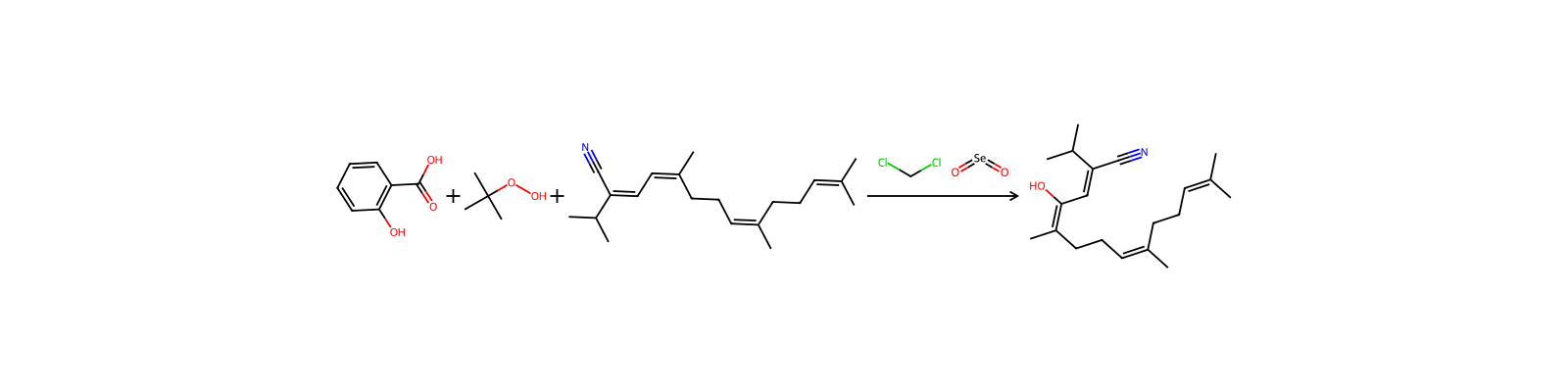
Average Daily IntakeUsing food intake data from the Dutch Food Consumption Survey and measurements of salicylic acid in foods, the average daily intake of salicylic acid has been estimated to be 0-5 mg/day(1).
Ecotoxicity Excerpts · 2 items

/AQUATIC SPECIES/ Ten acidic and two neutral pharmaceuticals were detected in the effluents of eight sewage treatment plants (STPs) from across Atlantic Canada. ...Six compounds (caffeine, naproxen, salicylic acid, carbamazepine, metoprolol, and sotolol) were found to persist in a small stream for a distance of at least 17 km, suggesting that small stream exposure to pharmaceutically active residues may be relatively greater than that in large bodies of water. Bioassays assessing acute and chronic effects on four organisms were conducted on four high-use drugs: Acetaminophen, ibuprofen, naproxen, and salicylic acid (metabolite of acetyl salicylic acid). Results indicated no negative effects except for the chronic algal (Selanastrum capricornutum) growth test on ibuprofen (no-observed-effect concentration, 10 ug/L; lowest-observed-effect concentration, 32 ug/L). Effects of these four compounds on invertebrates and plants in the receiving environments are unlikely based on the concentrations measured.

/AQUATIC SPECIES/ Metabolic products are often more toxic than their pharmacological parent compounds. Therefore, the acute and chronic effects of the main metabolites--salicylic acid (SAL), gentisic acid (GEN), and o-hydroxyhippuric acid (HDP)--of acetylsalicylic acid (ASA), the active ingredient in Aspirin and many other pharmaceuticals, were assessed using standard (Daphnia magna) and autochthonous (Daphnia longispina) cladocerans. The sequence of decreasing levels of acute and chronic toxicity of ASA metabolites to daphnids was GEN > SAL > HDP. HDP did not present acute toxicity, but chronic exposures enabled the production of abnormal neonates and, in particular, egg abortion. Thus, reproduction was the end point most susceptible to HDP. On the other hand, SAL and GEN induced changes in the normal patterns of reproduction and growth of both species. In general, D. longispina was more sensitive than was D. magna, although the population growth of the autochthonous species was superior under SAL exposures than that of the standard test species. Although the concentrations that were determined to have a toxic effect were above the levels detected in aquatic environmental samples, exposure to low levels of pharmacologically active substances for a duration longer than the test period may induce changes in nontarget organisms.

Regulatory information

FDA Requirements · 5 items

Salicyclic acid used as a preservative only is an indirect food additive for use only as a component of adhesives.

Drug products containing certain active ingredients offered over-the-counter (OTC) for certain uses. A number of active ingredients have been present in OTC drug products for various uses, as described below. However, based on evidence currently available, there are inadequate data to establish general recognition of the safety and effectiveness of these ingredients for the specified uses: salicylic acid is included in topical acne drug products.

Drug products containing certain active ingredients offered over-the-counter (OTC) for certain uses. A number of active ingredients have been present in OTC drug products for various uses, as described below. However, based on evidence currently available, there are inadequate data to establish general recognition of the safety and effectiveness of these ingredients for the specified uses: salicylic acid is included in external analgesic drug products.

Drug products containing certain active ingredients offered over-the-counter (OTC) for certain uses. A number of active ingredients have been present in OTC drug products for various uses, as described below. However, based on evidence currently available, there are inadequate data to establish general recognition of the safety and effectiveness of these ingredients for the specified uses: salicylic acid is included in skin protectant drug products.

For more FDA Requirements (Complete) data for SALICYLIC ACID (11 total), please visit the HSDB record page.

FIFRA Requirements · 1 item

Product registrations which once contained active ingredients incl salicyclic acid have previously been amended to remove the ingredient from the formula or have been cancelled for other reasons ... These ingredients will be removed from Reregistration List D effective 90 days after publication of this notice ... and will not be considered further for reregistration.

Atmospheric Standards · 1 item

This action promulgates standards of performance for equipment leaks of Volatile Organic Compounds (VOC) in the Synthetic Organic Chemical Manufacturing Industry (SOCMI). The intended effect of these standards is to require all newly constructed, modified, and reconstructed SOCMI process units to use the best demonstrated system of continuous emission reduction for equipment leaks of VOC, considering costs, non air quality health and environmental impact and energy requirements. Salicylic acid is produced, as an intermediate or a final product, by process units covered under this subpart.

Safety data

PPE
dust mask type N95 (US), Eyeshields, Gloves
wgk
1
tsca
TSCA listed
rtecs
VO0525000
ridadr
UN 1648 3 / PGII
hs_code
29182100
Toxicity
LD50 i.v. in mice: 500 mg/kg (Sota)
risk_code
22-41-36/37/38-36-20/21/22-11
Signal word
Danger
Symbol(GHS)
GHS05,GHS07,GHS08
hazard_code
Xn,F
safety_code
26-39-37/39-36-36/37-16
Storage Class
11 - Combustible Solids
Hazard statements
H302-H318-H361d
REACH Registrations
Active
Hazard Classifications
Acute Tox. 4 OralEye Dam. 1Repr. 2
Autoignition Temperature
500 °C
Precautionary statements
P202-P264-P280-P301+P312-P305+P351+P338-P308+P313
Hazardous Substances Data
69-72-7(Hazardous Substances Data)
Biological Half-Life · 1 item

Groups of 3 and 25 month old male Fischer 344 rats were dosed iv with 5 or 50 mg/kg(14)C-salicylic acid ... . The half life value s in 3 month old animals were 4.08 and 30.1 hr with doses of 5 and 50 mg/kg, respectively; these values were 21.3 and 21.9 hr, respectively, in 25 month old animals.

Metabolism/Metabolites · 6 items

Salicylic acid is extensively metabolized.

At low dosage, approximately 80% of salicylic acid is metabolized in the liver. Conjugation with glycine, forms salicyluric acid and when conjugated with glucuronic acid, acyl and phenolic glucuronide are formed. Small amounts of salicylic acid are also hydroxylated to gentisic acid. With large doses, the kinetics switch from first order to zero order.

Dogs were dosed intravenously with 1 g (14)C-salicylic acid (containing 10 uCi) in sodium bicarbonate solution. Urine was collected for 30 to 36 hours. Urinary metabolite recovery from one animal, which was representative of all the dosed animals, was 50% unchanged salicylic acid, 25% glucuronates, 10% salicyluric acid, and 4% to 5% gentisic acid. Total recovery was > 90% of the dose.

The major urinary metabolites identified after topical administeration differ from those after oral salicylate adminisration; those derived from percutaneous absorption contain more salicylate glucuronides (42%) and less salicyluric (52%) and salicylic acid (6%).

YIELDS O-CARBOXYPHENYL-B-D-GLUCURONIDE IN MAN; IN RABBIT; YIELDS O-CARBOXYPHENYL SULFATE IN RAT. /FROM TABLE/

For more Metabolism/Metabolites (Complete) data for SALICYLIC ACID (6 total), please visit the HSDB record page.

MeSH Pharmacological Classification · 3 items

Substances that prevent infectious agents or organisms from spreading or kill infectious agents in order to prevent the spread of infection.

Substances that destroy fungi by suppressing their ability to grow or reproduce. They differ from FUNGICIDES, INDUSTRIAL because they defend against fungi present in human or animal tissues.

Agents that soften, separate, and cause desquamation of the cornified epithelium or horny layer of skin. They are used to expose mycelia of infecting fungi or to treat corns, warts, and certain other skin diseases.

Absorption, Distribution and Excretion · 6 items

About 10% is excreted unchanged in the urine.

The volume of distribution is about 170 mL/kg of body weight.

A single-center, single-sequence, two-period crossover study was performed to compare the systemic exposure to salicylic acid following facial application of a 30% salicylic acid cosmetic skin peel formulation applied for 5 min and an oral dose of 650 mg aspirin in nine healthy male and female subjects. The mean (SD) maximum salicylic acid concentration (C(max)) was 0.81 (0.32) ug/mL and 56.4 (14.2) ug/mL. The AUC-based safety margin ratio was 50:1. A depot effect was observed during topical application of the skin peel solution as the absorption of salicylic acid continued beyond the 5-min application period. Plasma salicylic acid C(max) values were achieved from 1.4 to 3.5 hr after topical application and from 0.5 to 1.5 hr after oral aspirin. The plasma concentrations in the present study (30%; 5 min) were similar to that of a low concentration (2%) applied in a leave-on product to the same body surface area.

The absorption of reagent-grade salicylic acid through abdominal guinea pig skin was examined. The abdominal area was shaved and a recirculation apparatus was applied to determine the rate of absorption. Salicylic acid, pH 3.0, had a constant rate of absorption (approximately 4%) at concentrations of 250, 400, and 1000 ug/mL. Salicylic acid at a concentration of 500 ug/mL was used to examine the absorption as a function of pH. The percent absorbed from 1 to 6 hours was 6.1, 3.3, 0.6, and 0 at pH 2, 3, 4, and 5, respectively, and 0, 1.8, 8.0, and 15.5 at pH 7, 8, 9, and 10, respectively.

Salicylic acid is rapidly absorbed from the intact skin, especially when applied in oily liniments or ointments, ... .

The percutaneous absorption of salicylic acid through damaged guinea pig skin was studied using a recirculation apparatus. After the abdominal skin of male guinea pigs was clipped and the stratum corneum removed, a glass vessel was attached and used for continuous recirculation and the amount of salicylic acid, 500 ug/mL and pH 3.0, absorbed was calculated from the concentration remaining in the solution. Also, concentrations of 250, 500, and 1000 ug/mL salicylic acid at pH 3.0 and 500 ug/ml at a pH of 2, 3, 4, 5, or 6 were used to determine the effect of concentration and pH, respectively, on absorption. The absorption rate of 500 ug/ml salicylic acid from the recirculating solution was 79.4% for damaged skin; the disappearance of salicylic acid from the solution was linear from the start of exposure. (This was 10 times the rate through intact skin; disappearance from intact skin was linear 1 hour after the start of exposure.) The rate of absorption from the recirculating solution was independent of concentration, but it did increase with an increasing fraction of un-ionized form. The amount of drug retained in damaged guinea pig skin after various exposure times was then determined. The animals were exposed to 500 ug/mL salicylic acid, pH 3.0, for 0.5, 1.0, 3.0, 4.5, or 6.0 hours, and then killed. The test area was wiped and the skin isolated to the corium. A peak in the amount of salicylic acid reserved in the skin was observed after 0.5 to 1 hour. ... These results were attributed to an increase in percutaneous absorption and rapid decrease in concentration in the test solution due to removal of the stratum corneum and a rapid decrease in skin concentration because of the decrease of salicylic acid in the solution. Varying the concentration of salicylic acid from 250 to 1000 ug/mL resulted in similar patterns of retention. Varying the pH from 3 to 6, the peak of the amount reserved became lower and broader with a decreasing fraction of unionized salicylic acid, and the time required to reach a peak had a later trend.

Tissue LocationsEpidermis
Metabolite PathwaysSalicylic Acid Action Pathway

Uses & manufacturing

Uses · 6 items

CIR ingredient: Salicylic Acid

Source: bark of the white willow and wintergreen leaves; also produced by organic synthesis; Used medicinally for its bacteriostatic, fungicidal, and keratolytic properties; the salts are used as analgesics (aspirin); [ChemIDplus]

Salicylic acid is used mainly in the synthesis of acetylsalicylic acid, the most commonly dispensed pharmaceutical product. In the form of esters, amides, and salicylic acid salts it serves as a starting material for other pharmaceutical products. Technical-grade salicylic acid is used primarily as an intermediate in the production of agrochemical products, dyes, and colorants, as well as in the rubber industry and in the manufacture of phenolic resins.

In the manufacture of aspirin, methyl salicylate, and other salicylates. Coupling agent for azo dyes. Has been used as food preservative. Keratolytic. Sodium salt as anti-inflammatory, analgesic, antipyretic.

Manufacture of resins, prevulcanization inhibitor, analytical reagent, /formerly as a/ fungicide

Acanthosis nigricans can be dealt with by using lotions or creams containing salicylic acid

Impurities4-hydroxybenzoic acid; 4-hydroxyisophthalic acid; phenol
U.S. Exports(1972) NEGLIGIBLE
U.S. Imports · 2 items

(1972) NEGLIGIBLE

(1975) 2.02X10+8 GRAMS (TECH GRADE)

U.S. Production · 5 items

2023: 1,000,000 - <5,000,000 lb

(1972) 2.53X10+10 GRAMS

(1975) 1.39X10+10 GRAMS (TECH GRADE)

Production volumes for non-confidential chemicals reported under the Inventory Update Rule. [Table#1949]

Benzoic acid, 2-hydroxy- is listed as a High Production Volume (HPV) chemical (65FR81686). Chemicals listed as HPV were produced in or imported into the U.S. in >1 million pounds in 1990 and/or 1994. The HPV list is based on the 1990 Inventory Update Rule. (IUR) (40 CFR part 710 subpart B; 51FR21438).

Consumption Patterns · 5 items

During the late 1980s and early 1990s, approximately 60% of the salicylic acid produced in the United States has been consumed in the manufacture of aspirin

The distribution of salicylic acid in terms of application can be estimated as follows: acetylsalicylic acid 55%, esters and salts 18%, resins 10%, dyes and colorants 10%

CHEMICAL PROFILE: Salicylic Acid. Aspirin, 65%; salicylate esters and salts, 20%; foundry resins, 7%; miscellaneous, including rubber retarder and dystuffs intermediate, 8%.

CHEMICAL PROFILE: Salicylic acid. Demand: 1986: 35.5 million lb; 1987: 35.8 million lb; 1991 /projected/: 37.0 million lb.

For more Consumption Patterns (Complete) data for SALICYLIC ACID (6 total), please visit the HSDB record page.

Consumer UsesFoamant
Industry UsesInsulators
Methods of Manufacturing · 5 items

Salicylic acid is prepared on an industrial scale by the Kolbe-Schmitt synthesis from dry sodium phenoxide in a stream of carbon dioxide at 150-160 °C and a pressure of 5 bar. The use of pressure results in a yield of about 90%, whereas without pressure the yield does not exceed 50% because disodium salicylate and phenol are formed in equivalent amounts.

Technical-grade salicylic acid obtained from the Kolbe-Schmitt process is already extremely pure: salicylic acid content 99.5%; phenol, p-hydroxybenzoic acid, or 4-hydroxyisophthalic acid 0.05 - 0.1% (as impurity); ash < 0.1%; water 0.2%. An even higher quality acid (pharmaceutical grade) can be obtained by crystallizing the sodium salicylate from water at a temperature not exceeding 20 °C, or by sublimation of the acid at 20 mbar and a temperature of 154 °C or with the aid of a carrier gas. A more modern process achieves sublimation directly by utilizing the heat of neutralization from the reaction of sodium salicylate with hydrogen chloride.

REACTION OF DRY, POWDERED SODIUM PHENATE WITH EXCESS CARBON DIOXIDE TO PRODUCE SODIUM SALICYLATE SOLUTION, WHICH IS ACIDIFIED TO OBTAIN SALICYLIC ACID

Manufactured by heating sodium phenolate with carbon dioxide under pressure.

SOME IS ... MADE BY SAPONIFYING CERTAIN NATURAL OILS SUCH AS BIRCH OR GAULTHERIA.

Formulations/PreparationsSalicylic Acid Formulations:
Household ProductsInformation on 250 consumer products that contain Salicylic acid in the following categories is provided:
Use Classification · 6 items

Fragrance Ingredients

Flavouring Agent -> FLAVOURING_AGENT -> JECFA Functional Classes

Food Additives -> PRESERVATIVE -> JECFA Functional Classes

Flavoring Agents -> JECFA Flavorings Index

Flavouring Agent -> FLAVOURING_AGENT -> JECFA Functional Classes

Cosmetics -> Preservative; Keratolytic

Applications · 10 items

UsesSalicylic acid is an FDA approved skin care ingredient used for the topical treatment of acne, and it's the only beta hydroxy acid (BHA) used in skin care products. Perfect for oily skin, salicylic acid is best known for its ability to deep clean excess oil out of pores and reduce oil production moving forward. Because salicylic acid keeps pores clean and unclogged, it prevents future whiteheads and blackheads from developing. Salicylic acid also exfoliates dead skin, and its anti-inflammatory properties make it a prime ingredient for those with psoriasis. Salicylic acid naturally occurs in willow bark, sweet birch bark, and wintergreen leaves, but synthetic versions are also used in skin care products.

DescriptionSalicylic acid (from Latin salix, willow tree, from the bark of which the substance used to be obtained) is a mono hydroxy benzoic acid, a type of phenolic acid and a beta hydroxy acid. This colorless crystalline organic acid is widely used in organic synthesis and functions as a plant hormone. It is derived from the metabolism of salicin. In addition to being an important active metabolite of aspirin (acetylsalicylic acid), which acts in part as a prod rug to salicylic acid, it is probably best known for its use in anti-acne treatments. The salts and esters of salicylic acid are known as salicylates.

OccurrenceUnripe fruits and vegetables are natural sources of salicylic acid, particularly blackberries, blueberries, cantaloupes, dates, raisins, kiwi fruits, guavas, apricots, green pepper, olives, tomatoes, radish and chicory; also mushrooms. Some herbs and spices contain quite high amounts, although meat, poultry, fish, eggs and dairy products all have little to no salicylates. Of the legumes, seeds, nuts, and cereals, only almonds, water chestnuts and peanuts have significant amounts.

HistoryThe Greek physician Hippocrates wrote in the 5th century BC about a bitter powder extracted from willow bark that could ease aches and pains and reduce fevers . This remedy was also mentioned in texts from ancient Sumer , Lebanon , and As syria . The active extract of the bark, called salicin, after the Latin name for the white willow (Salix alba), was isolated and named by the German chemist Johann Andreas Buchner in 1826. Raffaele Piria, an Italian chemist was able to convert the substance into a sugar and a second component, which on oxidation becomes salicylic acid. Salicylic acid was also isolated from the herb meadowsweet (Filipendula ulmaria, formerly classified as Spiraea ulmaria) by German researchers in 1839. While their extract was somewhat effective, it also caused digestive problems such as gastric irritation, bleeding, diarrhea, and even death when consumed in high doses.

UsesAlthough toxic in large quantities, salicylic acid is used as a food preservative and as bactericidal and an antiseptic . For some people with salicylate sensitivity even these small doses can be harmful . Sodium salicylate is a useful phosphor in the vacuum ultraviolet with nearly flat quantum efficiency for wavelengths between 10 to 100 nm . It fluoresces in the blue at 420 nm. It is easily prepared on a clean surface by spraying a saturated solution of the salt in methanol followed by evaporation.

UsesSalicylic Acid is an Impurity of Acetylsalicylic Acid (A187780). Acetylsalicylic acid Impurity B.

Usessalicylic acid is a beta-hydroxy acid with keratolytic and antiinflammatory activity. It helps dissolve the top layer of stratum corneum cells, improving the look and feel of the skin. Salicylic acid is an effective ingredient in acne products and as such is widely used in acne soaps and lotions. Because it is lipid soluble, it can more easily reduce sebaceous follicle blockage by penetrating the pores and exfoliating the cellular buildup. It is antimicrobial, anti-septic, enhances the activity of preservatives, and can be used to adjust the pH of products. For the treatment of aging skin, it appears to help improve skin wrinkles, roughness, and tone. In addition, it is a useful ingredient for products formulated to treat psoriasis, callouses, corns, and warts-cases where there is a buildup of dead skin cells. When applied topically, it is reported to penetrate 3 to 4 mm into the epidermis. A small amount of salicylic acid can convert to copper salicylate, a powerful anti-inflammatory. used at high concentrations, salicylic acid may cause skin redness and rashes. This is a naturally occurring organic acid, related to aspirin. It is found in some plants, particularly the leaves of wintergreen, willow bark, and the bark of sweet birch. Salicylic acid is also synthetically manufactured.

Usesnon-steroidal anti-inflammatory drugs

UsesSalicylic acid is known for its ability to ease aches and pains and reduce fevers. These medicinal properties, particularly fever relief, have been known since ancient times, and it is used as an antiinflammatory drug. In modern medicine, salicylic acid and its derivatives are used as constituents of some rubefacient products. For example, methyl salicylate is used as a liniment to soothe joint and muscle pain, and choline salicylate is used topically to relieve the pain of mouth ulcers. As with other beta hydroxy acids, salicylic acid is a key ingredient in many skin-care products for the treatment of seborrhoeic dermatitis, acne, psoriasis, calluses, corns, keratosis pilaris, and warts.

General DescriptionOdorless white to light tan solid. Sinks and mixes slowly with water.

Preparation methods

PreparationPrepared by heating sodium phenolate with carbon dioxide under pressure

Upstream & downstream products

Upstream raw materials

Caustic Soda(liquid)30%-48%Sodium salicylatePhenolCarbon dioxideSodium hydroxideSulfuric acid

Downstream products

WarfarinAluminonSulfosalicylic acidAcid Black 168Solvent Red BLSalicylic acid 4-octylphenyl esterSodium salicylate5-Aminosalicylic acidethyl salicylateC.I. Acid Black 194Direct Dark Brown NM4-(2-(5-Cholro-2-methoxy benzamido)ethyl)benzenesulfonyl chlorideOLSALAZINEIsocarbophos3,5-Diiodosalicylic acidAcid Orange 88guacetisalNeutral Black 2S-RLBenzyl salicylateSieber LinkerIsofenphos-methylAcid Red 2155-Chloro-2-methoxybenzoyl chlorideAcid violet 68Acetylsalicylic acidAmyl salicylate3,5-Dibromosalicylic acidAcid Black 60Acid Black 172Mordant Yellow 105-Formylsalicylic acidIsobutyl salicylate5-Chloro-2-hydroxybenzoic acidIsoamyl o-hydroxybenzoateAcid Black 107Solvent Red KLPhenyl salicylate3,5-Dichlorosalicylic acidNeutral Brown RlAcid violet 90

Additional notes

DefinitionChEBI: A monohydroxybenzoic acid that is benzoic acid with a hydroxy group at the ortho position. It is obtained from the bark of the white willow and wintergreen leaves.

DefinitionA crystalline aromatic carboxylic acid. It is used in medicines, as an antiseptic, and in the manufacture of azo dyes. Its ethanoyl (acetyl) ester is aspirin. See aspirin; methyl salicylate.

Salicylic acid directly and irreversibly inhibits the activity of both types of cyclo-oxygenases (COX-1 and COX-2) to decrease the formation of precursors of prostaglandins and thromboxanes from arachidonic acid. Salicylate may competitively inhibit prostaglandin formation. Salicylate's antirheumatic (nonsteroidal anti-inflammatory) actions are a result of its analgesic and anti-inflammatory mechanisms. Salicylic acid is a key ingredient in many skin-care products for the treatment of acne, psoriasis, calluses, corns, keratosis pilaris, and warts. It works by causing the cells of the epidermis to slough off more readily, preventing pores from clogging up, and allowing room for new cell growth. Because of its effect on skin cells, salicylic acid is used in several shampoos used to treat dandruff. Salicylic acid is also used as an active ingredient in gels which remove verrucas (plantar warts). Salicylic acid inhibits the oxidation of uridine-5-diphosphoglucose (UDPG) competitively with nicotinamide adenosine dinucleotide (NAD) and noncompetitively with UDPG. It also competitively inhibits the transferring of glucuronyl group of uridine-5-phosphoglucuronic acid (UDPGA) to the phenolic acceptor. The wound-healing retardation action of salicylates is probably due mainly to its inhibitory action on mucopolysaccharide synthesis.