Reaction equation

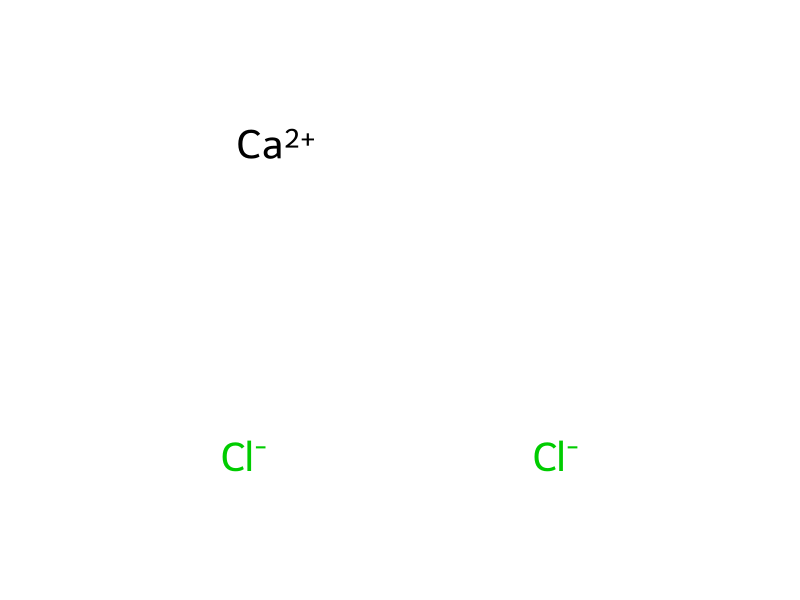
[CH2:1]([C:11]([CH2:23][CH2:24][CH2:25][CH2:26][CH2:27][CH2:28][CH2:29][CH2:30][CH2:31][CH3:32])([CH2:13][CH2:14][CH2:15][CH2:16][CH2:17][CH2:18][CH2:19][CH2:20][CH2:21][CH3:22])O)[CH2:2][CH2:3][CH2:4][CH2:5][CH2:6][CH2:7][CH2:8][CH2:9][CH3:10].[Cl-:33].[Ca+2].[Cl-].Cl>C(Cl)Cl>[CH2:1]([C:11]([Cl:33])([CH2:23][CH2:24][CH2:25][CH2:26][CH2:27][CH2:28][CH2:29][CH2:30][CH2:31][CH3:32])[CH2:13][CH2:14][CH2:15][CH2:16][CH2:17][CH2:18][CH2:19][CH2:20][CH2:21][CH3:22])[CH2:2][CH2:3][CH2:4][CH2:5][CH2:6][CH2:7][CH2:8][CH2:9][CH3:10]Participants
5
Reactant 3


Product 1

Reagents, catalysts & solvents 1

Procedure
One mole of tri-n-decylcarbinol was added to a mixture of 0.2 liters of methylene chloride and 0.32 moles calcium chloride. Approximately 1.5 moles of HCl gas was slowly bubbled through the solution. The product mixture is then washed with 1 liter of a 10% sodium carbonate solution. The organic layer is dried with magnesium sulfate and the methylene chloride evaporated off to give a 90% yield of tri-n-decylmethylchloride.
Workup
- washThe product mixture is then washed with 1 liter of a 10% sodium carbonate solution
- dry with materialThe organic layer is dried with magnesium sulfate
- customthe methylene chloride evaporated off
Sources & evidence
- ORD record
- ord-43db573a1030471e9bdddb88415b043e
- Source dataset
- uspto-grants-1998_03
- Patent number
- US05728907
Linked notes
Loading…