4-Piperidinol, 1-methyl-
HCID 66048
Completing data — refresh the page later to see the latest

Basic information
- CAS
106-52-5- Standard SMILES
CN1CCC(O)CC1- InChIKey
BAUWRHPMUVYFOD-UHFFFAOYSA-N- Molecular formula
- C6H13NO
- Average molar mass
- 115.17 g/mol
- Monoisotopic mass
- 115.09971404
Names & identifiers
- Preferred name
- 4-Piperidinol, 1-methyl-
- IUPAC
- 1-methylpiperidin-4-ol
- English name
- N-Methyl-4-piperidinol
- Molecular formula
- C6H13NO
- Molecular weight
- 115.17
Names & synonyms
1-Methylpiperidin-4-olN-Methyl-4-piperidinol4-Hydroxy-1-methylpiperidine1-Methyl-4-piperidinol4-Hydroxy-N-methylpiperidine4-Piperidinol, 1-methyl-BAUWRHPMUVYFOD-UHFFFAOYSA-EINECS 203-406-81-Methylpiperidinol-(4)AI3-27594DTXSID9059339RefChem:100402
Show more names
N-METHYL-4-HYDROXY PIPERIDINEH431NM4PPOL-4-piperidinoL
DTXCID0032994203-406-8BAUWRHPMUVYFOD-UHFFFAOYSA-NInChI=1/C6H13NO/c1-7-4-2-6(8)3-5-7/h6,8H,2-5H2,1H3106-52-5N-Methyl-4-hydroxypiperidine1-Methyl-4-hydroxypiperidineN-Methylpiperidol
Database identifiers
- CAS
106-52-5- PubChem CID
- 66048
- DTXSID
DTXSID9059339- ChEMBL
CHEMBL22332- UNII
- W95ZLR4RP5
- EC Number
- 203-406-8
- Nikkaji
- J1.828.792G、J14K
Properties
Computed structural propertiesFilling in
- XLogP
- 0.1
- Topological polar surface area
- 23.5 Ų
- Hydrogen bond donors
- 1
- Hydrogen bond acceptors
- 2
- Rotatable bonds
- 0
- Heavy atoms
- 8
- Formal charge
- 0
- Complexity
- 66.9
Physicochemical properties
- Melting point
- 29 · 29-31 °C(lit.)
- Boiling point
- 200 °C · 200 °C(lit.)
- Density
- 0.98 g/mL · 0.98 g/mL at 20 °C(lit.)
- vapor pressure
- 8.13 · 8.13-11Pa at 25℃
- refractive index
- 20 · n20/D 1.479
- Flash point
- 190 °F · 190 °F
- storage temp.
- 2 · 2-8°C
- form
- Liquid After Melting
- pka
- 14.87 · 14.87±0.20(Predicted)
- color
- Clear colorless to brown
- Viscosity
- 44.361 mm2/s · 44.361mm2/s
- Water Solubility
- MISCIBLE
- Sensitive
- Hygroscopic
- BRN
- 103024 · 103024
- Henry's Law Constant
- 1.3 · 1.3×103 mol/(m3Pa) at 25℃, Du et al. (2017)
- InChI
- 1S/C6H13NO/c1-7-4-2-6(8)3-5-7/h6,8H,2-5H2,1H3
Safety & regulation
Safety information is for reference only and does not replace the supplier’s Safety Data Sheet (SDS), applicable regulations, or professional assessment.
GHS classification
GHS Classification
This chemical does not meet GHS hazard criteria for 49.1% (52 of 106) of reports.
Danger
H315 (45.3%): Causes skin irritation [Warning Skin corrosion/irritation]
P261, P264, P264+P265, P271, P280, P302+P352, P304+P340, P305+P351+P338, P305+P354+P338, P317, P319, P321, P332+P317, P337+P317, P362+P364, P403+P233, P405, and P501 (click each P-code to see the statement)
Aggregated GHS information provided per 106 reports by companies from 11 notifications to the ECHA C&L Inventory. Each notification may be associated with multiple companies.
Hazard information
Regulatory Information
Status: Active Update: 30-06-2018 https://echa.europa.eu/registration-dossier/-/registered-dossier/19249
1-Methyl-4-piperidinol: Does not have an individual approval but may be used under an appropriate group standard
Hazard Classes and CategoriesSkin Irrit. 2 (45.3%)
Safety data
- PPE
- Eyeshields, Gloves, type ABEK (EN14387) respirator filter
- wgk
- 3
- tsca
- TSCA listed
- hs_code
- 29333999
- risk_code
- 37/38-41-36/37/38-34
- Signal word
- Danger
- Symbol(GHS)
- GHS05,GHS07
- hazard_code
- Xi,C
- hazard_note
- Irritant
- safety_code
- 26-37/39-45-36/37/39-27
Chemistry & industry
Uses & manufacturing
General Manufacturing Information4-Piperidinol, 1-methyl-: ACTIVE
Applications
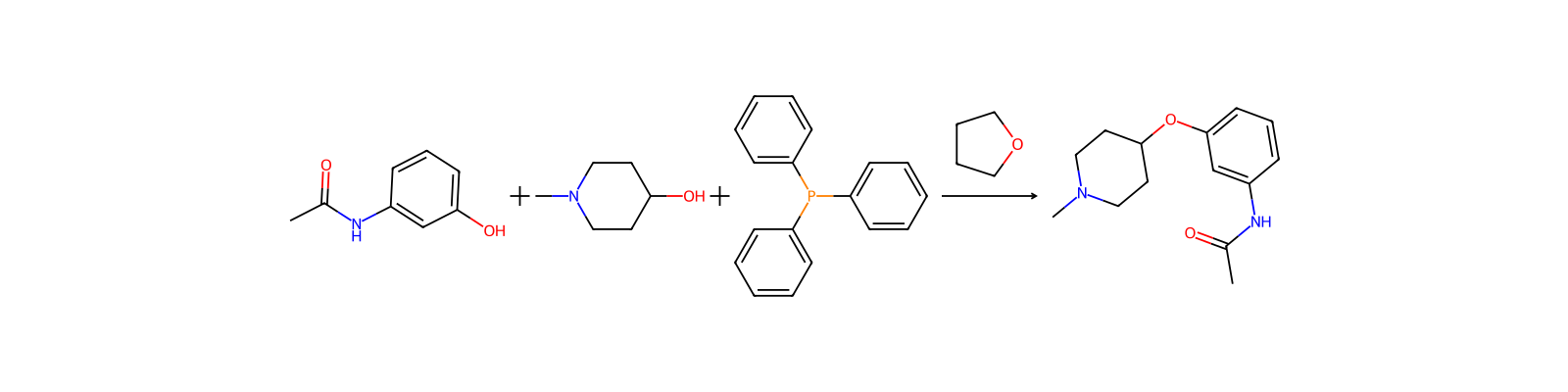
UsesReactant for:• ;Optimization of Novobiocin scaffold to product antitumor agents1• ;Substitution about the rigidifying ring for histamine H4 receptor antagonist synthesis2Reactant for synthesis of:• ;CaMKII inhibitors3• ;VEGFR and FGFR kinase inhibitors4• ;Phosphoinositide-3-kinase inhibitors5• ;Protein lysine methyltransferase G9a inhibitors6
Uses4-Hydroxy-1-methylpiperidine is used as reactant for optimization of Novobiocin scaffold to product antitumor agents, substitution about the rigidifying ring for histamine H4 receptor antagonist synthesis. It is also used as a reactant in the synthesis of CaMKII, VEGFR and FGFR kinase inhibitors and Phosphoinositide-3-kinase, Protein lysine methyltransferase G9a inhibitors.
Upstream & downstream products
Upstream raw materials
Related reactions
265 records